
Border Wall Construction Begins in Big Bend National Park, Threatening Historic and Ecological Sites
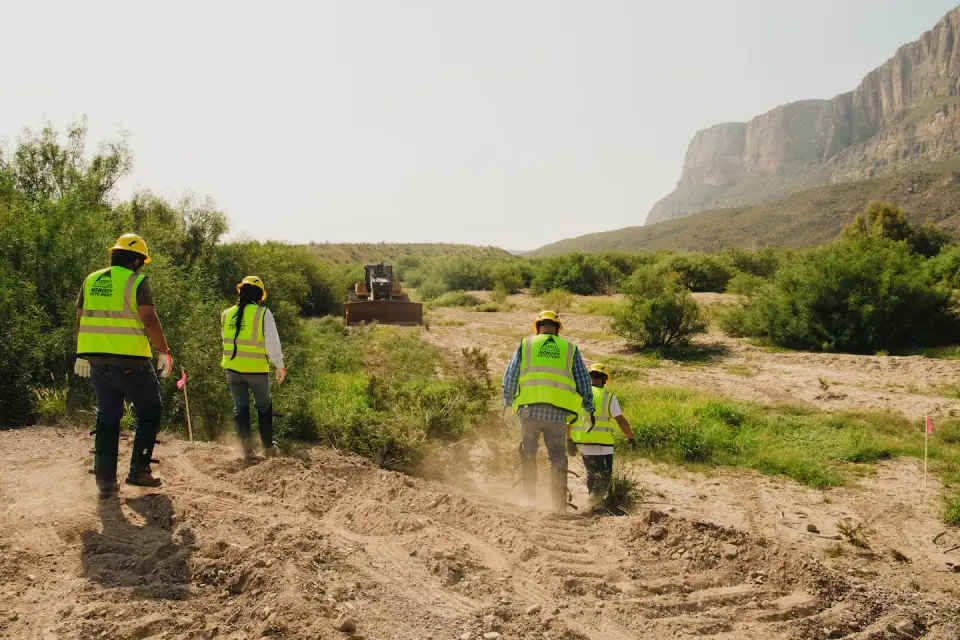
Federal contractors have begun bulldozing land in Big Bend National Park and surrounding areas to construct border wall infrastructure, part of a $46.5 billion expansion. The project has triggered immediate environmental damage and threatens the Porvenir massacre site, a historic landmark, despite local opposition and legal waivers.
Key points
- Construction started in August 2026 near Santa Elena Canyon in Big Bend National Park, involving patrol roads and barriers.
- The project is part of a $46.5 billion border security expansion by the Trump administration.
- Environmentalists warn of irreversible damage to wildlife habitats and sensitive ecosystems.
- The construction threatens the Porvenir massacre site, a historic location from 1918, which is already being impacted by new roadways.
- The administration has waived environmental review laws to expedite the project.
Background
This development follows earlier reports in 2026 regarding the administration's aggressive border wall expansion, including a March 2026 report on the environmental impact of the project and a May 2026 report on the bulldozing of an ancient tribal site. The current construction marks the first physical ground-breaking in Big Bend National Park itself.
How outlets are covering it
The Washington Post and the National Parks Conservation Association (NPCA) emphasize the environmental destruction and the irreversible impact on the park's landscape, with NPCA noting that the region has the lowest unauthorized border crossings. Texas Monthly focuses on the cultural and historical loss, specifically the threat to the Porvenir massacre site, highlighting the lack of public consultation and the potential erasure of a significant historical landmark. While all sources agree on the physical construction, they differ in their primary focus: ecological vs. historical preservation.
Why it matters
The construction represents a significant shift in federal policy, prioritizing border security over environmental and historical preservation in protected areas. It highlights the tension between national security infrastructure and the protection of natural and cultural heritage, potentially setting a precedent for future construction in other sensitive areas.
What to watch
Construction is expected to continue, with the road potentially widening to accommodate the wall. Legal challenges and public protests are likely to intensify as the project progresses and more of the park and historic sites are impacted.
- Bulldozing begins at Big Bend National Park for border construction The Washington Post
- Administration Begins Bulldozing Through Big Bend National Park National Parks Conservation Association
- Trump’s Border-Wall Construction Is Set to Bulldoze a West Texas Historic Site Texas Monthly
- Big Bend residents, local sheriff question CBP border infrastructure plans KXAN Austin
- Cornyn raises concerns about Trump move to build border wall in national park The Hill
Want the full story? Read the original reporting
Read on The Washington Post