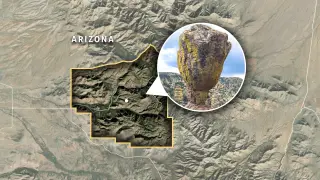
President Trump signed the Chiricahua National Park Act on Oct. 20, 2026, redesignating the Arizona monument as the country's 64th national park. The 12,000-acre site features volcanic rock formations and Apache heritage, but faces infrastructure challenges and reduced NPS staffing.
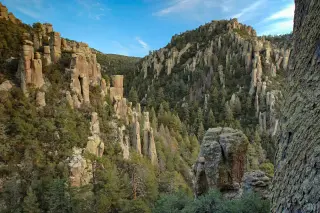
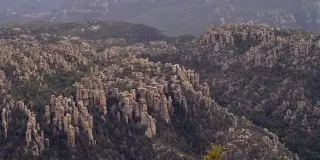
President Trump signed the Chiricahua National Park Act on Oct. 20, 2026, redesignating the former national monument as the 64th U.S. national park. The 12,000-acre site in southeastern Arizona, known for its volcanic rock spires and Apache heritage, is the first new national park added in six years. The move aims to boost tourism and local economies, though it occurs amid workforce cuts at the National Park Service.
President Donald Trump signed the Chiricahua National Park Act on October 20, 2026, officially redesignating Chiricahua National Monument in southeastern Arizona as the nation's 64th national park. The 19-square-mile site, known for its volcanic rock spires and historical ties to the Chiricahua Apache Tribes, had been a national monument since 1924. The legislation, sponsored by Rep. Juan Ciscomani, passed with bipartisan support, though the designation occurs amid significant workforce cuts at the National Park Service.
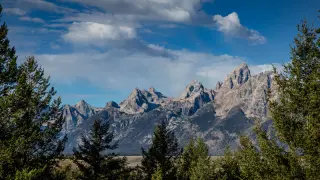
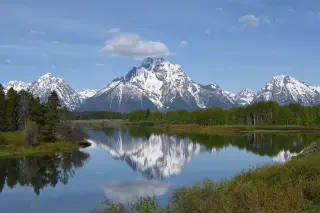
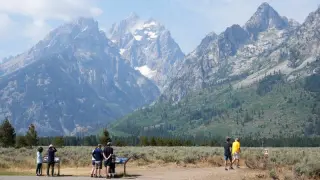
Major League Baseball has inquired with the Trump administration about hosting a regular-season game in a national park, with Grand Teton National Park in Wyoming emerging as a primary candidate. While the White House clarified that the initiative is driven by MLB and not a presidential directive, the proposal has sparked significant controversy among conservationists and local officials. National Park Service Deputy Director Frank Lands recently toured three potential sites within the park, though no permits have been issued and the 2027 schedule is already finalized, making 2028 the earliest possible date for such an event.
Major League Baseball has approached the Trump administration about hosting a game in a national park, with officials scouting Grand Teton National Park. The White House denies this is a presidential priority, and no permits have been granted. Conservation groups and local officials strongly oppose the idea, calling it a radical departure from park traditions. The earliest possible date for such a game is 2028, as the 2027 schedule is already set.
Major League Baseball has approached the Trump administration regarding the possibility of hosting a game at Grand Teton National Park. While the White House denies this is a presidential priority, officials from the National Park Service have already scouted three potential sites within the park. The proposal, which follows the success of MLB’s Field of Dreams events, has drawn sharp criticism from conservation groups and local officials who view it as a radical departure from the purpose of protected federal lands. No permits have been granted, and the earliest possible date for such a game is 2028 due to the current schedule.
Craig Berg, 70, was rescued on September 12 after spending 11 days missing in Isle Royale National Park. Found by kayakers, he suffered from hypothermia and dehydration but was alert. A multi-agency search involving Coast Guard, state police, and K-9 units concluded the operation, with Berg airlifted to Marquette for medical treatment.
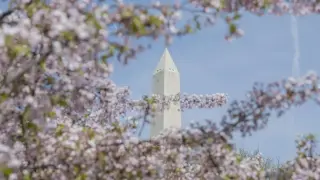
A viral claim that President Trump ordered the removal of dozens of cherry trees for a DC golf course renovation is unsupported by evidence. While approximately 60 trees were cut at East Potomac Park, only one was a cherry tree. Officials describe the work as routine maintenance of hazardous or dying trees, not a mass removal of historic Japanese-gifted blossoms. A court hearing is scheduled for September 3, 2026, regarding the broader renovation project.
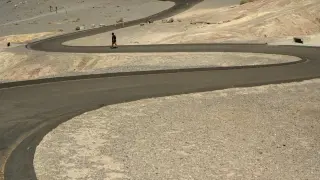
Pierre Michel Formosa, a 68-year-old French visitor, died on August 17 after his vehicle became stuck in mud on a remote road in Death Valley National Park. With temperatures reaching 116 degrees Fahrenheit, Formosa and his companion attempted to walk to Badwater Road for help. Formosa stopped after 1.3 miles, while his companion reached the road and alerted authorities. A search team located Formosa’s body 1.5 miles from the road later that afternoon. The National Park Service emphasized the dangers of the park’s remoteness and extreme heat, urging visitors to stay in vehicles if stranded.
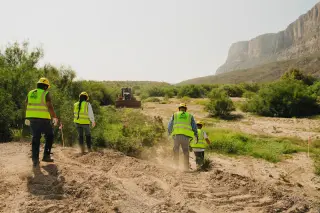
Federal contractors have begun bulldozing land in Big Bend National Park and surrounding areas to construct border wall infrastructure, part of a $46.5 billion expansion. The project has triggered immediate environmental damage and threatens the Porvenir massacre site, a historic landmark, despite local opposition and legal waivers.
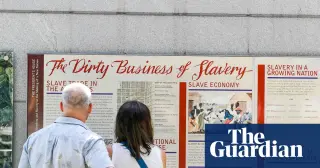
An appeals court in Boston temporarily lifted a lower-court order to reinstate recently removed exhibits about climate change and U.S. involvement in slavery in national parks, allowing the Trump administration to continue removing materials it deems ideological, as NGOs push back in ongoing litigation.
As World Cup fans road-trip between host cities, social videos showcase a kinder, quirk-filled America—from Buc-ee’s and Waffle House to Zion National Park and Kansas City barbecue—reminding viewers of a diverse, welcoming country often overlooked in politics and rekindling national pride.
A federal judge blocked the Trump administration's changes to how museums and national parks operate, halting the policy shifts while legal challenges proceed.
A federal judge in Massachusetts ordered the Interior Department and National Park Service to restore all signs, displays, and exhibits altered or removed under President Trump’s directive, with full restoration by July 3 ahead of the 250th birthday and an injunction against further changes. The ruling, in a coalition lawsuit by conservation groups, argues parks should present history in full and accurately, citing examples like a Grand Teton marker about the Piegan Blackfeet massacre and climate-change signage at Fort Sumter, and calls the educational role of parks a “cornerstone of public learning.” The Interior Department criticized the decision and said it may appeal.
A Massachusetts district judge ruled that the Trump administration’s removal of history and science materials from national monuments under the 2025 executive order violated policy and set a dangerous precedent, ordering the reinstatement of all signage and exhibits and giving the White House 21 days to comply; plaintiffs include conservation groups such as the NPCA and the Coalition to Protect America’s National Parks.