
Gallium statue of Florida governor melts in Tallahassee to protest climate denial
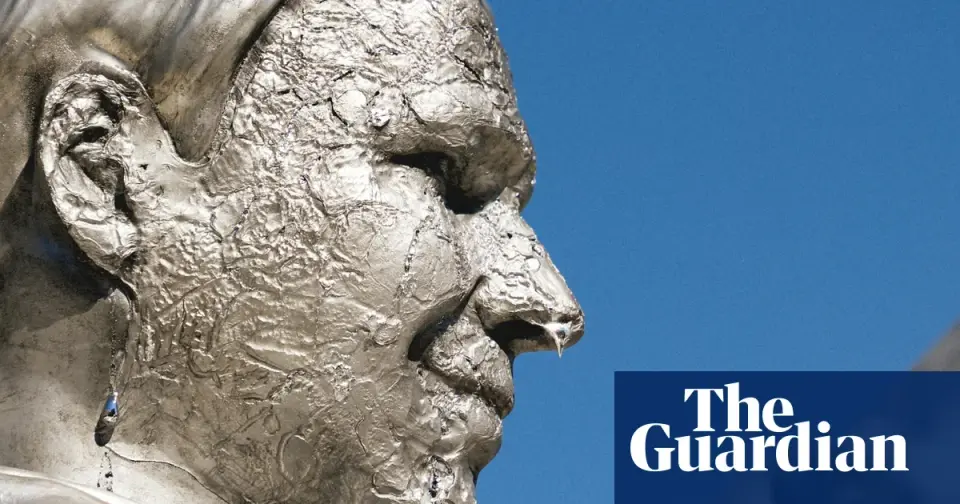
A life-sized gallium statue of Florida Governor Ron DeSantis was unveiled in Tallahassee on October 13 and melted within an hour, revealing a skull underneath. The installation, titled 'DENIAL,' was a protest against DeSantis's eight-year tenure and his legislative efforts to erase climate change from state law. The event occurred ahead of the November 3 midterm elections, where his successor is expected to maintain similar climate skepticism.
Key points
- The statue was cast from gallium, a metal that melts at 85.6°F (29.8°C), a temperature below Tallahassee's typical summer highs.
- As the face melted away, it revealed a skeletal structure beneath, symbolizing the consequences of climate inaction.
- The installation was created by climate group 350 Action, advertising agency Uncommon, and production company M ss ng P eces.
- DeSantis's term as governor ends in January, with Byron Donalds, a climate skeptic, favored to win the upcoming gubernatorial race.
- The protest highlighted DeSantis's 2024 signing of House Bill 1645, which removed terms like 'climate change' from Florida statutes.
Background
This protest follows a trend of using public art to critique political figures, such as the 'Orange Plague' statue of Donald Trump unveiled at the European Parliament in October. It also coincides with new research showing accelerated melting of the Thwaites Glacier, which threatens to raise global sea levels. Florida faces significant climate risks, including sea-level rise and intensified hurricanes, which have led several major insurers to exit the state market.
How outlets are covering it
The Guardian and WPEC focused on the symbolic nature of the melting statue as a direct critique of DeSantis's eight-year tenure and his legislative rollbacks on climate policy. Hyperallergic emphasized the artistic and civic branding aspects, noting how the physical melting of the statue served as undeniable proof of climate reality, contrasting with DeSantis's 2018 quote, 'I am not a global warming person.' Muse by Clio highlighted the technical ingenuity of using gallium, noting that the melting speed was dictated by the weather, making the protest a direct demonstration of the very conditions DeSantis denies. All sources agree that the event was a strategic move ahead of the November 3 midterm elections, aiming to pressure voters to reject climate denial.
Why it matters
The protest underscores the growing tension between scientific consensus and political denialism in Florida, a state highly vulnerable to climate impacts. By using a material that physically melts under current temperatures, the activists aimed to make the abstract concept of climate change tangible and undeniable for the public. The timing, just weeks before the midterm elections, suggests an effort to influence the outcome of the gubernatorial race, where climate policy is a key issue. The event also highlights the broader trend of using public art and direct action to challenge political narratives and mobilize voters.
What to watch
The next major event is the November 3 midterm elections, where Byron Donalds, who denies the link between human actions and climate change, is heavily favored to become the next Florida governor. The outcome of this election will likely determine whether Florida continues its current climate policies or shifts toward more action. Additionally, the ongoing effects of climate change, such as sea-level rise and increased hurricane intensity, will continue to impact Florida, potentially leading to further economic and social consequences.
- Melting Ron DeSantis statue unveiled to call out his inaction on climate crisis The Guardian
- Melting DeSantis statue unveiled in Tallahassee to protest climate policy WPEC
- This melting Ron DeSantis statue is a perfect metaphor for climate change Fast Company
- This Ron DeSantis Statue Can’t Take the Heat Hyperallergic
- This Statue of Ron DeSantis Melts Dead Away to Illustrate the Dangers of Climate Change Muse by Clio
Want the full story? Read the original reporting
Read on The Guardian