
Trump Administration Pushes Secret Land Swap to Grant Private Access to Yosemite
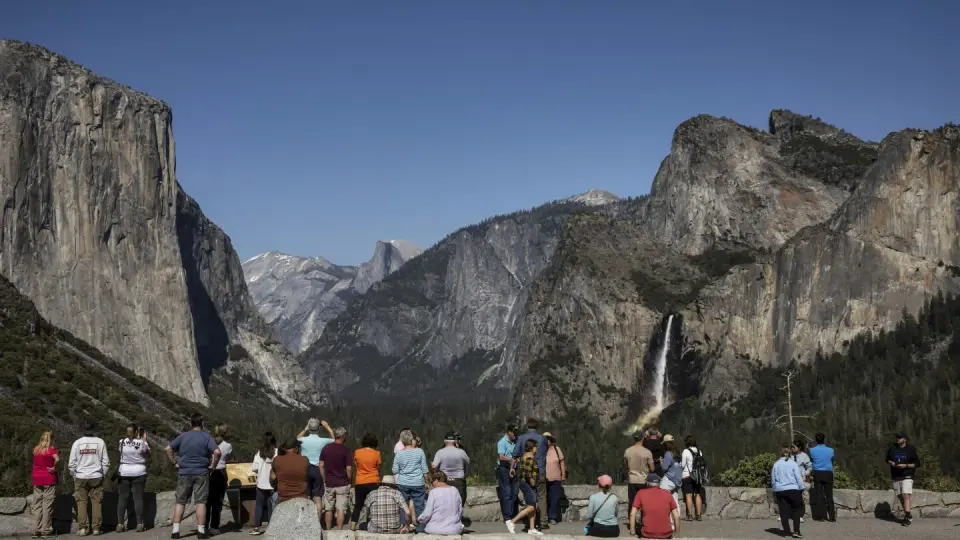
The National Park Service is quietly negotiating a land exchange with a private developer to grant access to a parcel outside Yosemite, breaking 150 years of precedent. The deal, driven by Interior Department pressure, involves swapping a strip of park land for equivalent value elsewhere in California. Critics call it a backroom deal that prioritizes private profit over public preservation, while the administration insists it follows legal procedures. The move faces opposition from Congress, environmental groups, and former officials, with potential legal challenges looming.
Key points
- National Park Service staff are arranging a land exchange with Kingsbarn Realty Capital, a Nevada-based developer, to grant access to an 83-acre plot outside Yosemite’s western boundary.
- The proposed deal involves the Park Service surrendering a roughly quarter-mile strip of land or an easement within Yosemite in exchange for land of equal value elsewhere in California.
- Kingsbarn CEO Jeff Pori seeks a new road to connect his property to Yosemite’s central thoroughfares, bypassing the current 10-mile detour through national forests.
- Interior Department officials, including Secretary Doug Burgum, are pressuring Park Service staff to advance the deal, contradicting previous administrations’ rejections and Burgum’s 2025 confirmation pledge to protect park land.
- The proposal faces opposition from California’s Democratic senators, environmental groups, and former Park Service officials, with potential legal challenges from conservation organizations.
- Kingsbarn purchased the land for $4 million in 2024, and Pori has financial ties to Trump administration figures, including through deals involving Kim Kardashian’s Skims and Trump’s bond underwriter.
Background
This development follows decades of failed attempts by previous owners, including Lewis Geyser, to secure private access to Yosemite, which were rejected by the Bush, Obama, and Biden administrations and ruled against in court. The current push by the Trump administration marks a sharp reversal of the National Park Service’s historical role in expanding and protecting park boundaries, a role rooted in Abraham Lincoln’s 1864 preservation of Yosemite Valley. The controversy highlights tensions between federal land management priorities and private development interests, particularly under the current administration’s approach to public lands.
Why it matters
The proposed land exchange represents a fundamental shift in federal policy toward national parks, potentially setting a precedent for privatizing public lands for private gain. If successful, it could undermine the integrity of the national park system, which has historically prioritized conservation over commercial interests. The deal also raises questions about the influence of political connections and lobbying in federal decision-making, as well as the potential for legal and public backlash. It tests the limits of the National Park Service’s autonomy and the administration’s commitment to environmental protection, with implications for future land management policies.
What to watch
The National Park Service is currently appraising the value of the Yosemite land to identify equivalent property in California for the exchange. The deal is likely to face legal challenges from environmental groups and opposition from Congress, particularly from California’s Democratic senators. If the exchange proceeds, it may require public notification and environmental review, though the Park Service can likely move forward without further congressional approval. The outcome will hinge on the valuation process and the ability of opponents to halt the deal through legal or political means.
Want the full story? Read the original reporting
Read on News of the United States - NOTUS