
Tohono O'odham Nation Escalates Legal and Physical Resistance to Trump Border Wall
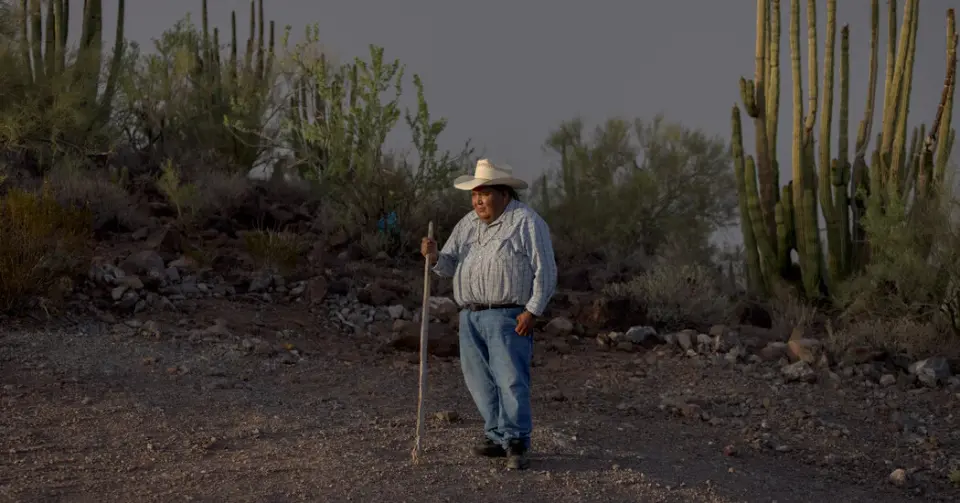
The Tohono O'odham Nation is actively opposing the Trump administration's plan to construct a 30-foot secondary border wall across their reservation and adjacent federal lands. The tribe has filed a lawsuit against the Department of Homeland Security and erected 'No Trespassing' signs after federal contractors, accompanied by armed Border Patrol agents, entered tribal land in August. While the government cites security needs and legal authority, tribal leaders argue the construction violates sovereignty and threatens sacred sites, including Quitobaquito Springs.
Key points
- The Trump administration is spending nearly $50 billion on border infrastructure, including a 30-foot secondary barrier in Arizona.
- CBP plans to build approximately 225 miles of secondary barriers in Pima, Yuma, Santa Cruz, and Cochise counties.
- The Tohono O'odham Nation filed a lawsuit in June to block construction on their reservation, citing destruction of sacred mountain peaks and ancestral sites.
- Federal contractors entered tribal land in early August with armed Border Patrol agents, despite the tribe posting 'No Trespassing' signs.
- The government argues it has a 'preexisting right to secure the border' and that the tribe does not hold veto power over federal actions.
Background
This conflict follows earlier legal battles where a federal judge refused to block wall construction on tribal land in August 2026. The current dispute is part of a broader national trend, including recent legal challenges in Texas regarding the Big Bend border plan, where landowners and politicians have contested federal authority to build barriers through protected areas. The Tohono O'odham Nation has a long history of adapting to border security measures, but this latest expansion represents the most significant encroachment on their territory since the 1854 Gadsden Purchase divided their ancestral lands.
How outlets are covering it
The New York Times emphasizes the cultural betrayal felt by the tribe, quoting Chairman Verlon Jose comparing the wall to bulldozing Arlington Cemetery. High Country News highlights the specific threat to Quitobaquito Springs, a sacred site where elders fear construction will destroy ancestral pilgrimage routes. CBP, represented by Commissioner Rodney Scott, frames the project as a necessary measure to close a dangerous smuggling corridor, asserting that the tribe does not have veto power over federal border security. The government's legal team argues that the tribe failed to prove the construction exceeds federal authority, while the tribe counters that the work violates sovereignty and destroys sacred flora and fauna.
Why it matters
The confrontation represents a critical test of tribal sovereignty against federal border security priorities. If the construction proceeds, it could permanently alter sacred landscapes and disrupt the cultural continuity of the Tohono O'odham people, who have lived across the U.S.-Mexico border for thousands of years. The outcome may set a precedent for how federal agencies handle environmental and cultural objections in other border wall projects, such as those in Texas and New Mexico.
What to watch
The Tohono O'odham Nation is awaiting a court decision on their lawsuit to block construction. Meanwhile, CBP is accepting public comments on the secondary barrier project until October 12, 2026. Tribal leaders are lobbying congressional Democrats to intervene, while the government continues construction on the 62-mile border segment, asserting that the worksites are within the designated Roosevelt Reservation.
- To a Binational Tribe, Trump’s Border Wall Feels Like Betrayal The New York Times
- Project Update: Secondary Barrier Construction in Arizona ArcGIS StoryMaps
- Tohono O'odham stand firm: 'We don't need a wall to keep us safe' azcentral.com and The Arizona Republic
- Tohono O’odham fight border wall on sacred, sovereign lands High Country News
Want the full story? Read the original reporting
Read on The New York Times