
Fired Pentagon Planner Admits Leaking Classified Iran and Ukraine Data to Reporters
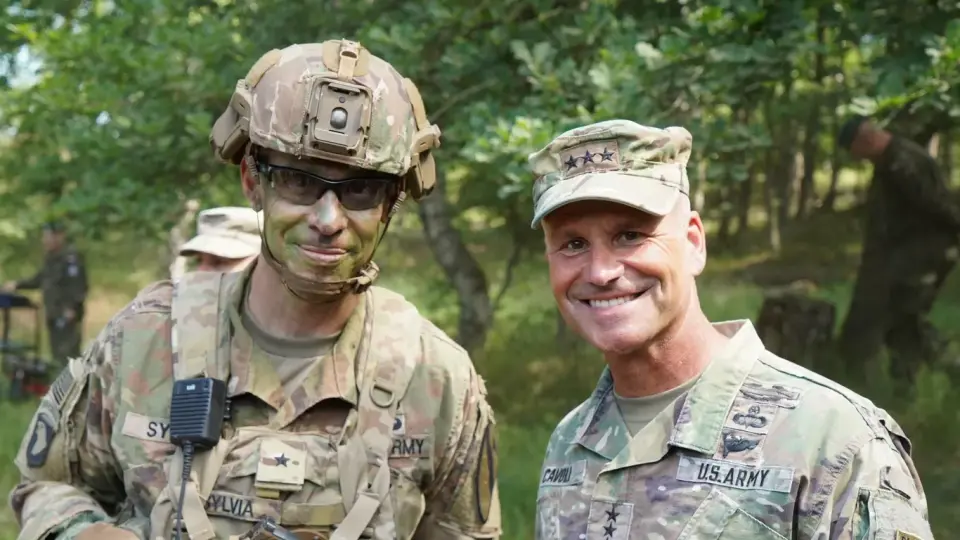
Army Lt. Gen. Brett Sylvia was fired by Defense Secretary Pete Hegseth after admitting to leaking classified information regarding Iran and Ukraine to two reporters. An internal report confirms Sylvia failed multiple polygraph tests and acknowledged unauthorized disclosures, though he denied intentional deletion of evidence. The Pentagon has referred the case to the Justice Department for potential criminal prosecution, marking the first time a senior uniformed officer has been referred for prosecution under Hegseth's administration. This dismissal coincides with broader media restrictions and a purge of military leadership, while Sylvia’s former colleagues question the accuracy of the allegations.
Key points
- Sylvia admitted to leaking classified details on U.S. assistance to Ukraine and Iran to two reporters over a one-year period, starting in June 2025.
- The internal investigation report states Sylvia failed four polygraph tests and provided his personal phone for forensic examination.
- One meeting occurred at a Silver Diner in Arlington after Sylvia’s Pentagon access was revoked; he relied on notes from a classified secret report.
- The Pentagon referred the case to the Justice Department for 'potential legal action,' with spokesperson Sean Parnell citing 'zero tolerance' for unauthorized disclosures.
- Sylvia’s official biography was taken offline, and the Joint Staff retracted a statement wishing him well after learning the reason for his dismissal.
- Hegseth’s administration has subjected dozens of officers to polygraph tests and restricted media access, including declaring the press office a 'classified space.'
Background
This incident follows a pattern of aggressive anti-leak measures under Defense Secretary Pete Hegseth, who previously fired three political appointees in 2025 for alleged leaks, though none were charged. In July 2026, the Defense Department established a joint task force with the Justice Department to identify leakers. Sylvia’s dismissal is part of a broader purge of nearly two dozen military leaders, including his predecessor Lt. Gen. Joseph McGee, and aligns with Hegseth’s order to cut 20% of top officers by January 2027. The case also follows the 2026 guilty plea of former CIA officer David Rush for leaking classified sources, highlighting heightened scrutiny on information security.
How outlets are covering it
Axios and The Washington Post emphasize Sylvia’s admission of unauthorized disclosures and the forensic evidence, including failed polygraph tests and deleted Signal messages. The Washington Post notes that Sylvia’s colleagues question the narrative, as he has denied leaking but acknowledged past interactions with journalists, which were historically acceptable. WBAL-TV and AP News highlight the procedural anomalies, such as the referral to civilian courts instead of military justice and the Joint Staff’s retraction of a supportive statement. AP News contextualizes the firing within Hegseth’s broader 'purge' of military leadership, while WBAL-TV notes Trump’s incorrect gender identification of Sylvia during a press conference. All sources agree on the firing and the leak allegations but differ on the characterization of Sylvia’s intent and the Pentagon’s transparency.
Why it matters
The case signals a shift in how the Pentagon handles media interactions, with Hegseth’s administration treating professional relationships with journalists as potential security breaches. The referral to the Justice Department sets a precedent for prosecuting senior officers, potentially chilling press access and military candor. It also reflects the administration’s broader strategy to control information flow amid ongoing conflicts in Iran and Ukraine, where classified details have been critical to public and diplomatic discourse.
What to watch
The Justice Department will determine whether to pursue criminal charges against Sylvia, who has not responded to media inquiries. The Pentagon faces pressure to clarify its stance on media access and the scope of leak investigations, especially as Trump weighs renewed strikes on Iran. Congress may scrutinize the 'purge' of military leaders, with critics like Sen. Mark Kelly calling it a 'purge' that will take years to rebuild. The outcome could influence future policies on polygraph tests and media restrictions within the Defense Department.
- Exclusive: Fired general admitted to leaking classified Iran and Ukraine info, report says Axios
- General ousted by Hegseth referred for criminal prosecution, officials say The Washington Post
- Pentagon accuses newly fired general of leaking sensitive information to the media WBAL-TV
- Hegseth fires the Pentagon’s top military planner even as Trump considers new Iran strikes AP News
- Hegseth ousted top military strategist from Pentagon, sources say WKRN News 2
Want the full story? Read the original reporting
Read on Axios