
Supreme Court blocks Trump mail-ballot rules; second judge halts enforcement
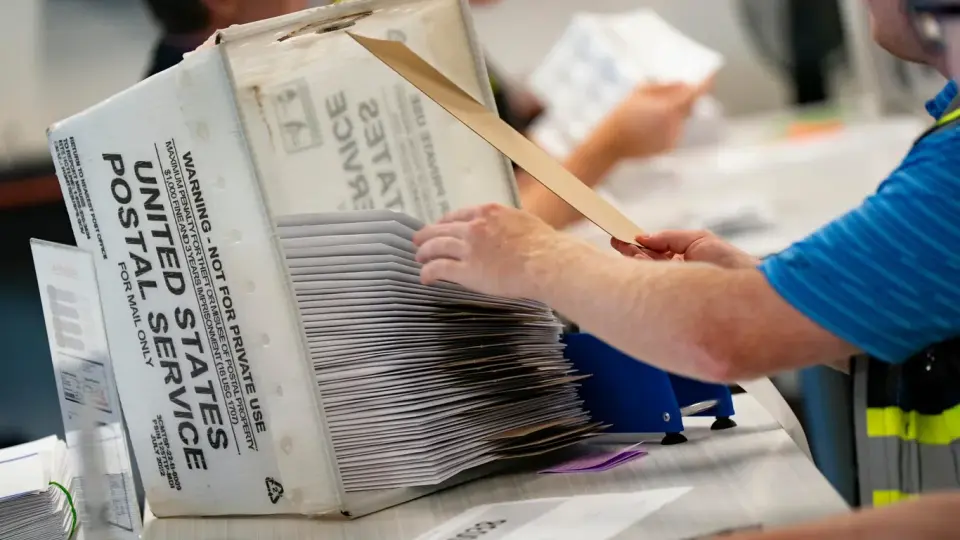
The Supreme Court rejected the Trump administration's emergency appeal, leaving in place a lower court injunction that blocks the U.S. Postal Service's new mail-ballot regulations for the November 3 midterms. Simultaneously, a second federal judge in Washington, D.C., issued a separate order blocking the same rules, citing a lack of congressional authority. These rulings prevent the Postal Service from refusing ballots that do not meet new design standards or forcing states to enroll voters in a federal portal. While the White House called the measures 'commonsense' security steps, critics argue the rules would disenfranchise millions of voters just weeks before the election. The Supreme Court's decision, which appeared to split 7-2, ensures the existing mail voting system remains intact for the upcoming vote.
Key points
- Supreme Court rejected the administration's emergency application to block a lower court injunction, leaving the mail-ballot rules unenforceable.
- U.S. District Judge Carl Nichols in Washington, D.C., issued a second blocking order, ruling that Congress did not empower the Postal Service to force states to use a federal voter portal or reject non-compliant ballots.
- The blocked rules would have required states to submit voter lists to the Postal Service and adhere to strict envelope design standards, with non-compliant mail being refused.
- The Supreme Court vote appeared to be 7-2, with Justices Clarence Thomas and Samuel Alito dissenting; Justice Brett Kavanaugh concurred, noting the rule was issued too close to the election to be enforced.
- The White House stated the rules are necessary to protect ballot security, while the NAACP called the administration's attempt to 'weaponize' the Postal Service unlawful.
Background
This latest development follows a series of legal challenges since March 2026, when President Trump issued an executive order directing the Postal Service to create new mail-ballot requirements. Previous federal judges, including Indira Talwani in Boston, had already blocked parts of the rule, citing concerns over disenfranchisement and lack of authority. The Supreme Court had previously lifted an earlier injunction because the final rule had not yet been published, but challengers returned to court after the rule's release. The current rulings add to a pattern of judicial resistance to federal attempts to alter state-controlled election processes ahead of the 2026 midterms.
How outlets are covering it
The White House and its spokesperson, Lauren Bis, characterized the blocked rules as 'commonsense measures' to ensure only Americans vote, arguing that election officials had ample time to prepare. In contrast, the NAACP and various Democratic-led states, including California, argued that the rules would cause 'significant disenfranchisement' and disrupt the voting process just 49 days before the election. NBC News reported that the Supreme Court was divided, with Justice Alito dissenting and arguing the federal government had the better legal argument, while Justice Kavanaugh concurred in the block due to the timing. Axios noted that while the rules are blocked, voluntary preparations by some states have exposed technical flaws in the Postal Service's proposed system, such as a scanning error that could reject batches of ballots. The outlets agree that the rules are now unenforceable but differ on the underlying legal merits, with the administration emphasizing security and critics emphasizing accessibility and constitutional authority.
Why it matters
The rulings prevent the federal government from interfering with state-administered mail voting during a critical midterm election cycle. By blocking the rules, the courts have maintained the status quo, allowing states to continue sending ballots without federal pre-approval or portal enrollment. This decision likely reduces the risk of widespread ballot rejection or delays, ensuring that millions of voters can participate as planned. It also sets a precedent regarding the limits of federal agency authority over state election processes, potentially influencing future disputes over voting regulations.
What to watch
The Trump administration has not confirmed whether it will appeal the second district court ruling from Judge Nichols, though it faces a significant hurdle in enforcing the rules. The Supreme Court's rejection of the emergency appeal means the lower court injunctions remain in place for the November 3 election. States may continue to voluntarily comply with some aspects of the rule, but they are not obligated to do so. The Postal Service is expected to continue processing mail without the new restrictions, though technical issues in the proposed system may still affect voluntary compliance. Future litigation may focus on the broader executive order or other election-related measures, but the immediate threat to mail voting has been neutralized for the 2026 midterms.
- Trump's USPS mail-ballot rules hit a second roadblock as Supreme Court weighs case Axios
- As Supreme Court Weighs Trump Mail Ballot Plan, Another Judge Blocks It The New York Times
- Supreme Court rejects Trump’s plan to limit mail-in voting in midterms CNN
- Trump’s radical plan is to make the postal service an election gatekeeper thehill.com
- Supreme Court says Trump cannot enforce new mail-in ballot regulation NBC News
Want the full story? Read the original reporting
Read on Axios