
Utah Group Demands State Rules for Flock Cameras After 5 Million Out-of-State Searches
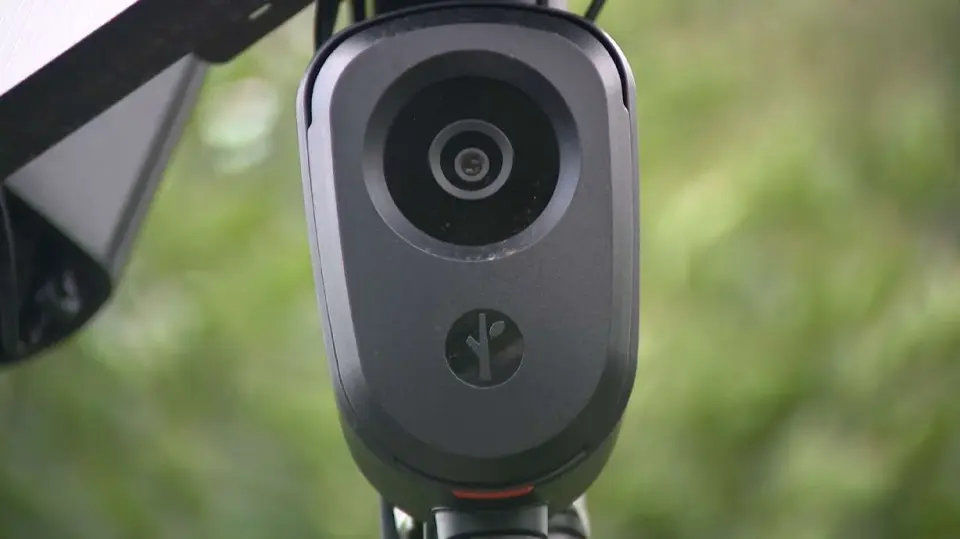
Utah Civic Compact urged state lawmakers to regulate automatic license plate reader data after revealing that Weber County’s 10 cameras were queried over 5 million times since early 2022, primarily by out-of-state agencies. Simultaneously, Flock Safety CEO Garrett Langley apologized for documented abuses and announced stricter data retention limits and mandatory audit tools to address privacy concerns.
Key points
- Utah Civic Compact cited 'striking' public records showing Weber County’s 10 Flock cameras were searched over 5 million times since early 2022, with the Houston Police Department identified as the most frequent requester.
- The group urged Utah lawmakers to tighten state codes to ensure out-of-state agencies adhere to Utah’s data access rules, arguing current oversight is insufficient to prevent privacy violations.
- Flock Safety CEO Garrett Langley apologized for instances where officers misused the technology, including 46 cases of alleged stalking, and announced that default data retention will drop from 30 to seven days.
- New Flock policies require case codes for searches, allow agencies to restrict offense types for outside queries, and mandate an auditing tool to flag abnormal behavior by year-end.
- Salt Lake City is considering a local ordinance to regulate camera usage, while Rep. Mike Kennedy criticized the technology as an erosion of constitutional protections.
Background
This debate follows earlier controversies, including the LAPD halting its Flock contract in July 2025 over privacy concerns and Flock’s previous announcement of privacy updates in August 2026. A 2025 Utah bill regulating these cameras passed the House but failed in the Senate, and a 2026 related bill received no hearing.
How outlets are covering it
KSL emphasized the volume of out-of-state searches and the need for legislative action, citing Weber County Sheriff’s Lt. Colby Ryan, who defended the system’s audits and stated that Houston’s requests were for active investigations. CBS News focused on Flock CEO Garrett Langley’s apology and the specific technical changes being implemented, noting that Langley defended the technology while acknowledging the need for higher accountability. KOMO framed the issue as a public privacy threat, while WJAR provided unrelated local police coverage. The ACLU, cited by CBS, expressed skepticism about whether the new 'Evidence Mode' constitutes a genuine change or merely a public relations move.
Why it matters
The massive volume of cross-state queries highlights potential gaps in interstate data governance, while Flock’s new restrictions and Utah’s legislative push signal a shift toward stricter accountability for surveillance technologies used in public safety.
What to watch
Lawmakers in Utah may revisit regulatory bills in the next session, and Flock Safety must enforce its new auditing tools and case-code requirements by the end of 2026. Salt Lake City may finalize its local ordinance, and the ACLU will monitor the implementation of Flock's new data retention policies.
- Group cites 'striking' Weber County data on Flock cameras as reason for lawmakers to act KSL.com
- VOTE: Do you think Flock cameras are a threat to your privacy? KOMO
- Flock CEO apologizes for cases where surveillance technology was abused as company rolls out changes CBS News
- Large police presence in Providence neighborhood WJAR
- Flock Announces Privacy Updates to Its Car-Tracking Cameras The New York Times
Want the full story? Read the original reporting
Read on KSL.com