
AI Data Center Backlash Becomes Central Midterm Election Issue
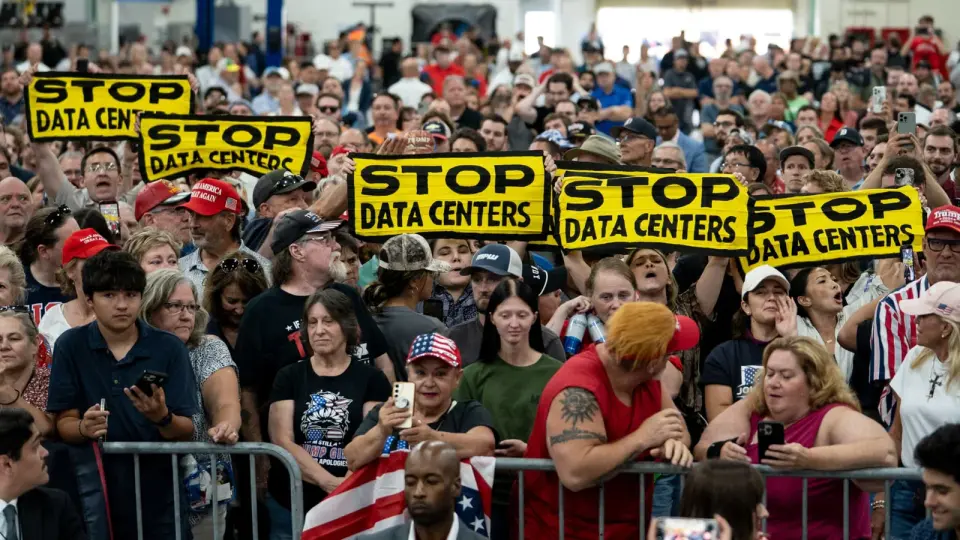
Opposition to AI data centers has evolved from local complaints into a national political crisis, influencing midterm races across both parties. Candidates are distancing themselves from projects previously championed, while industry leaders face pressure to fund infrastructure upgrades. The issue is now a central factor in state and federal elections, with significant implications for AI expansion.
Key points
- The National Republican Senatorial Committee warned that data center backlash could cost Republicans the Ohio Senate seat, citing a 'dead heat' between Sherrod Brown and Jon Husted.
- Ohio’s 10-gigawatt data center project in Pike County, backed by OpenAI and Nvidia, is a focal point of the controversy, with costs potentially exceeding $500 billion.
- Pennsylvania Governor Josh Shapiro signed an executive order requiring developers to pay for all new electricity generation and infrastructure, reversing his previous supportive stance.
- Texas Governor Greg Abbott, a former proponent of data centers, issued directives requiring companies to cover grid upgrades and reduce water usage, responding to criticism from challenger Gina Hinojosa.
- A satirical advertising campaign by Liquid Death and Garage Beer, featuring Jason Kelce, highlighted public frustration by joking about using urine to cool data centers.
- Pew Research Center data shows over 50% of Americans are more concerned than excited about AI, up from 37% in 2021, reflecting a broader 'crisis of trust' in tech industry.
Background
This development follows earlier coverage in July and August 2026, which noted that hyperscale data centers were already becoming political weapons in midterm races. Previous reports highlighted how candidates were touting anti-data-center credentials and how the industry was scrambling to address community concerns through ratepayer protections. The current escalation marks a shift from localized NIMBYism to a cross-partisan national movement that threatens the bipartisan consensus enabling AI infrastructure expansion.
How outlets are covering it
CNBC emphasizes the cultural and political saturation of the issue, noting that data centers have become a 'universal topic' uniting people across political spectrums, as evidenced by the satirical Liquid Death campaign. Axios focuses on the strategic scramble within the political establishment, highlighting how the backlash is forcing campaigns to retreat and recalibrate, and pointing to internal GOP finger-pointing over the failure to anticipate the backlash. ABC News centers on the specific electoral risk in Ohio, detailing the NRSC’s private warnings to AI companies and the potential consequences for the industry if Republicans lose key seats. While all sources agree on the severity of the backlash, CNBC highlights the public sentiment and cultural response, Axios focuses on the political strategy and industry response, and ABC News concentrates on the immediate electoral implications in Ohio.
Why it matters
The backlash against AI data centers is no longer a niche environmental or local issue but a central political force that could reshape the 2026 midterm elections and influence future AI policy. The shift in stance by prominent governors and the involvement of major political committees indicate that the industry’s expansion may face significant regulatory and political hurdles. This could slow the pace of AI infrastructure development and force a re-evaluation of the benefits and costs of these projects for local communities.
What to watch
Expect increased political pressure on AI companies to fund infrastructure upgrades and engage with local communities. The outcome of the Ohio Senate race will be a key indicator of the issue’s impact on national politics. Further regulatory actions from state and federal governments are likely as the midterm elections approach, with potential for more moratoriums or stricter standards on data center development.
- AI data center outrage is showing up everywhere from ads to elections CNBC
- Hutchinson on NRSC data centers memo: ‘Alarmist’ tone ‘concerning’ The Hill
- Data center uproar scrambles the midterm election Axios
- Voters Aren’t Waiting for November to Try Ousting Officials Over Data Centers The New York Times
- Backlash to data centers could cost GOP a Senate seat in Ohio, Republicans warn ABC News - Breaking News, Latest News and Videos
Want the full story? Read the original reporting
Read on CNBC