
2026 Midterms Deliver Record-Breaking Diversity in State and Federal Offices
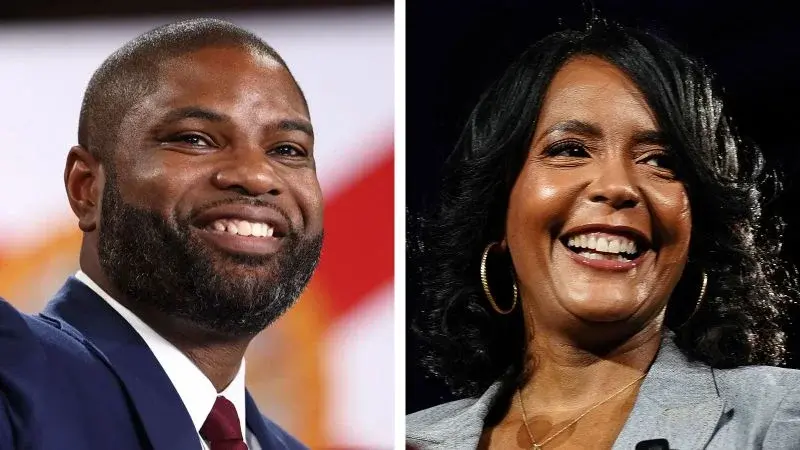
The 2026 midterm elections produced a wave of historic firsts across state and federal levels, with voters electing the first Black woman governor, the first Muslim US senator, and the first openly gay male senator. Democrats secured control of Congress and flipped multiple governorships in traditionally red states, marking a significant shift in political representation.
Key points
- Keisha Lance Bottoms is projected to become the first Black woman governor in US history, winning Georgia after serving as Atlanta mayor and a Biden administration official.
- Abdul El-Sayed is projected to be the first Muslim US senator, winning Michigan’s Senate race despite Republican attacks linking him to Islamic terror.
- Chris Pappas is projected to be the first openly gay male US senator, retaining a critical seat in New Hampshire for Democrats.
- Deb Haaland is projected to become the first Native American woman governor, winning New Mexico after serving as Interior Secretary under Biden.
- Democrats flipped seven Senate seats and 21 House seats, including long-held Republican strongholds in Texas, South Carolina, and Kansas, amid voter dissatisfaction with the economy and Trump’s policies.
Background
Previous coverage noted growing expectations for diverse leadership in the 2026 midterms, with particular focus on Native American, Black, and LGBTQ+ candidates. Earlier reports highlighted logistical challenges in Illinois and record early turnout, but the final results confirmed a broad Democratic surge and historic representation gains.
Why it matters
These results signal a major shift in American political representation, breaking long-standing barriers for racial, religious, and sexual orientation minorities in high-level offices. The Democratic gains in traditionally red states suggest deep voter dissatisfaction with current economic conditions and federal policies, potentially reshaping the political landscape for the next two years.
What to watch
Newly elected officials will take office in January 2027, with several governors serving during the 2028 presidential primary cycle. The expanded Democratic control of Congress and statehouses may lead to legislative battles over healthcare, immigration, and economic policy, while the historic firsts could influence future party nominations and voter engagement.
Want the full story? Read the original reporting
Read on CNN