
2026 Midterms: Democratic Physicians Seize Congressional Power, Targeting HHS Secretary Kennedy
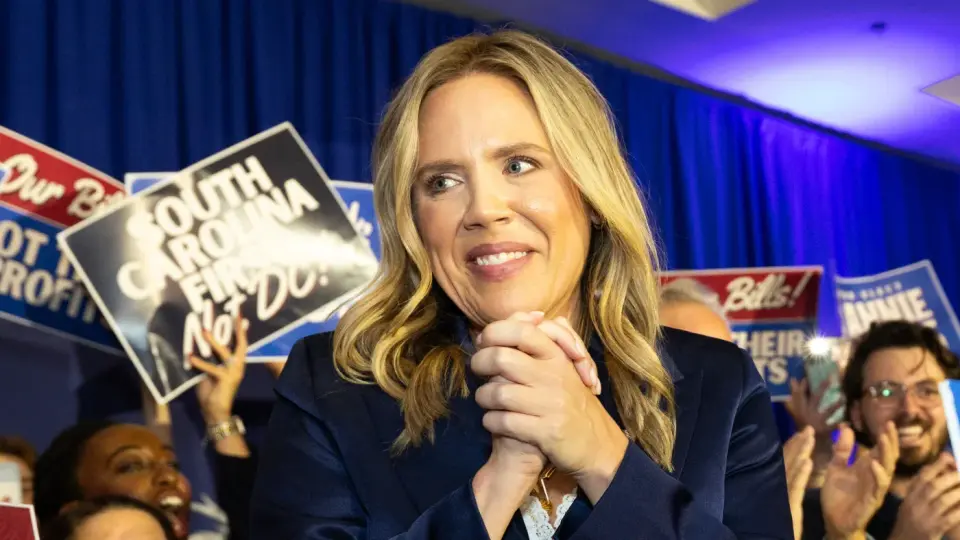
The 2026 midterm elections marked a historic shift in U.S. politics, with Democrats winning control of both the House and Senate. A defining feature of this 'blue wave' was the unprecedented success of medical professionals and scientists. For the first time since 1938, a practicing physician, pediatrician Annie Andrews, will serve as a Democratic U.S. Senator. This election cycle saw a dramatic increase in the number of doctors in Congress, with Democrats now holding a majority of these seats. The victory is attributed to widespread voter dissatisfaction with healthcare costs and the policies of Health and Human Services Secretary Robert F. Kennedy Jr. Advocacy groups like 314 Action, which recruited and funded these candidates, are now calling for Kennedy’s removal and a reversal of cuts to public health programs.
Key points
- Annie Andrews, a pediatrician, won the South Carolina Senate seat, becoming the first Democratic practicing physician in the U.S. Senate since 1938.
- Abdul El-Sayed, an epidemiologist, won the Michigan Senate seat, balancing the number of Republican and Democratic physicians in the upper chamber.
- Democrats won control of both the House and Senate in a historic 'blue wave,' with many new members having medical or scientific backgrounds.
- 314 Action, a political action committee supporting STEM candidates, invested over $30 million in dozens of physician and scientist candidates, many of whom won.
- Outgoing Republican physician senators Bill Cassidy and Roger Marshall lost their reelection bids, contributing to the shift in power.
- New Democratic leaders are calling for the impeachment and removal of HHS Secretary Robert F. Kennedy Jr., citing his anti-vaccine stance and public health policies.
Background
The 2026 midterms occurred in the context of a broader national rejection of the current administration, as noted in our previous coverage of the 'blue wave' that swept both chambers of Congress. This shift was driven by low approval ratings for President Trump and high voter turnout among Democrats and independents. The election also took place amid ongoing public health challenges, including a measles outbreak and concerns over the cost of healthcare, which were central to the campaigns of many medical professionals.
How outlets are covering it
NPR and STAT emphasize the historic nature of the victory for Democratic physicians, highlighting the shift from a Republican-dominated medical caucus to a Democratic one. They focus on the role of 314 Action in recruiting and funding these candidates. USA Today and CIDRAP frame the victory as a direct response to the policies of HHS Secretary Robert F. Kennedy Jr., with many new leaders calling for his removal. USA Today also notes the potential for a broader public health agenda, including food safety and climate change, while CIDRAP highlights the immediate call for congressional action against Kennedy. There is a consensus across all sources that healthcare affordability and trust in science were key drivers of the election results, but they differ in their emphasis on the immediate political consequences for Kennedy versus the long-term policy implications.
Why it matters
The election of a large number of medical professionals to Congress signals a potential shift in health policy, with a focus on affordability, access, and public health. The victory of candidates who oppose the policies of HHS Secretary Kennedy suggests a likely confrontation in the new Congress, potentially leading to investigations or attempts to remove him from office. This shift could also influence the direction of federal health programs, including Medicaid, Medicare, and public health research, as the new Democratic majority seeks to reverse cuts and address healthcare costs. The success of 314 Action also indicates a growing trend of recruiting scientists and medical professionals to run for office, which could reshape the political landscape in future elections.
What to watch
The new Democratic Congress is expected to prioritize reversing cuts to healthcare programs, investigating the policies of HHS Secretary Kennedy, and addressing healthcare affordability. There are calls for Kennedy’s impeachment, which could lead to a significant political battle. The new leaders are also expected to focus on public health issues, including food safety, climate change, and access to healthcare. The outcome of the election could also influence the direction of federal health programs and the role of medical professionals in policymaking.
- It was a big night for doctors to win seats in Congress, riding the blue wave NPR
- Amy Acton, Annie Andrews and what Democrat wins mean for RFK Jr. and the MAHA movement USA Today
- Democratic doctors win big in 2026 midterm elections CIDRAP
- Medical Professionals Are Among the Winners of the Midterms The New York Times
- Democratic doctors and scientists ride the blue wave STAT
Want the full story? Read the original reporting
Read on NPR