
Democratic Senate Control Blocks Trump's Supreme Court Appointments for Years
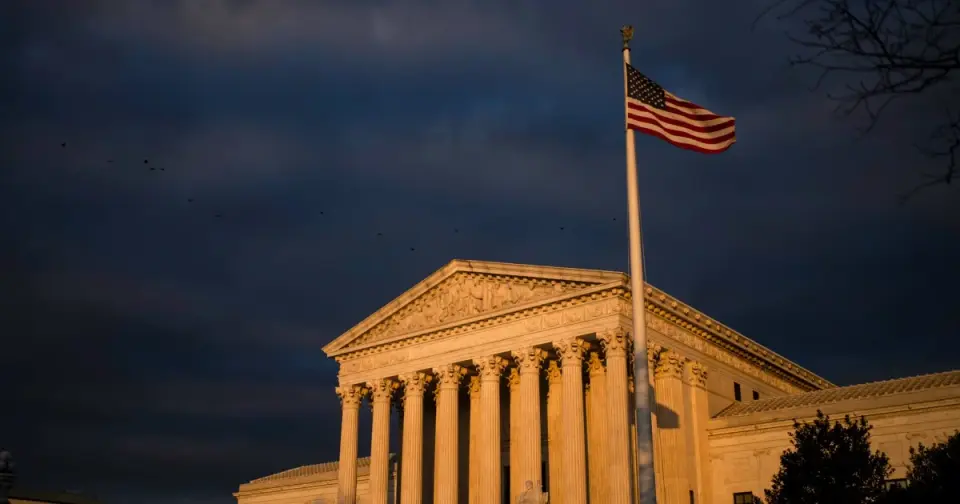
Democrats have secured a 54-seat majority in the U.S. Senate, effectively blocking President Donald Trump from appointing new federal judges or Supreme Court justices for the remainder of his term. This shift prevents the replacement of senior Justices Clarence Thomas and Samuel Alito, who are unlikely to retire before the new majority takes office in January. Conservative analysts warn that Republicans may not regain enough Senate seats to confirm a successor until 2033, leaving the current conservative majority intact for decades.
Key points
- Democrats hold 54 Senate seats as of Wednesday, with potential gains in Alaska and Mississippi, securing a solid majority to block judicial confirmations.
- President Trump is effectively blocked from appointing federal judges or Supreme Court justices during the final two years of his term, according to conservative legal expert Ed Whelan.
- Justices Clarence Thomas, 78, and Samuel Alito, 76, are the most likely to side with the current administration but have signaled they will not retire before the new Senate majority is seated.
- Alito told Bloomberg he plans to stay on the bench through the current term, which ends after the new Senate majority takes office in January.
- Conservative figures, including Florida Governor Ron DeSantis, argue that the chance of confirming a worthy successor to Thomas or Alito during Trump's term is zero.
- Republicans may not regain enough Senate seats to confirm a nominee until 2033, according to Ed Whelan, leaving the current court composition unchanged for a decade or more.
Background
Prior to the midterms, Senate leaders from both parties signaled that a potential Supreme Court vacancy could trigger a historic confirmation standoff. Republicans were prepared to push nominees through a lame-duck session, while Democrats vowed to block any Trump appointees. Alito had previously confirmed he would remain on the Supreme Court despite the midterm race, dismissing speculation that he might retire to allow Trump to appoint a successor. Trump had also appointed 31 federal judges in their 30s across two terms, a strategy aimed at ensuring long-term ideological influence on the judiciary. The current situation extends this dynamic, as the Democratic majority now controls the confirmation process for the next several years.
How outlets are covering it
NBC News reports that the White House will struggle to appoint new judges over the next two years, including any potential Supreme Court nominee. Fox News emphasizes the conservative perspective, with figures like DeSantis and Whelan warning that the Democratic majority will block any Trump appointees, leaving the current court composition unchanged for decades. MS NOW highlights the uncertainty surrounding the future of the Supreme Court, noting that while Thomas and Alito are unlikely to retire before the new Senate majority takes office, the long-term implications of the Democratic majority are significant. The sources agree that the Democratic majority will block Trump's judicial appointments, but they differ in their emphasis on the long-term consequences and the likelihood of a lame-duck confirmation.
Why it matters
The Democratic Senate majority will block President Trump from appointing new federal judges or Supreme Court justices for the remainder of his term, effectively freezing the court's composition for years. This shift prevents the replacement of senior Justices Clarence Thomas and Samuel Alito, who are unlikely to retire before the new majority takes office in January. The long-term implications are significant, as Republicans may not regain enough Senate seats to confirm a successor until 2033, leaving the current conservative majority intact for decades. This development underscores the importance of Senate control in shaping the judiciary and highlights the potential for a prolonged standoff over judicial appointments.
What to watch
The new Democratic Senate majority will take office in January, and it is expected to block any Trump nominees for federal judges or Supreme Court justices. Justices Clarence Thomas and Samuel Alito are unlikely to retire before the new majority takes office, but their long-term future on the bench remains uncertain. Republicans may not regain enough Senate seats to confirm a successor until 2033, leaving the current court composition unchanged for a decade or more. The Democratic majority is expected to block any Trump nominees, citing the precedent set by the 2016 Garland nomination, where Republicans refused to consider a nominee in an election year.
- Democratic Senate set to thwart Trump’s Supreme Court and judicial appointments NBC News
- Conservative US Supreme Court justices Thomas and Alito in spotlight after Democratic landslide Reuters
- The end of Trump’s most potent legacy Politico
- Under-the-radar implication of Dem blue wave means 'zero' chance GOP accomplishes critical goal, experts warn Fox News
- Democratic sweep locks in Thomas and Alito for an uncertain Supreme Court ride MS NOW
Want the full story? Read the original reporting
Read on NBC News