
2026 Midterms Feature Historic Firsts for Native, Black, and LGBTQ+ Leaders
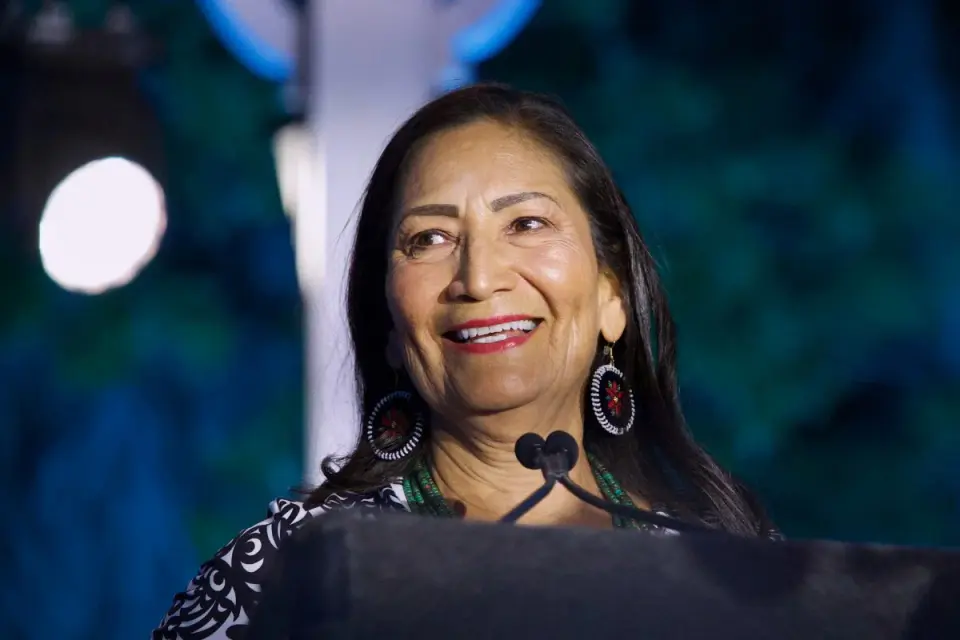
The 2026 midterm elections feature a record number of diverse candidates, with potential historic firsts for Native American, Black, Muslim, and LGBTQ+ leaders in state and federal offices. Key races include Deb Haaland for New Mexico governor and Abdul El-Sayed for Michigan Senate.
Key points
- Deb Haaland could become the first Native American woman governor in New Mexico.
- Keisha Lance Bottoms and Lisa Demuth could end a 250-year streak without a Black female governor.
- Abdul El-Sayed faces a contentious race in Michigan, potentially becoming the first Muslim U.S. senator.
- Chris Pappas in New Hampshire may become the first openly gay male U.S. senator.
- Mary Peltola in Alaska and Peggy Flanagan in Minnesota could become the first Native women in the U.S. Senate.
Background
Recent internal GOP fractures, such as the resignation of MAHA architect Calley Means, have intensified partisan tensions ahead of these midterms. Additionally, legal disputes surrounding ballot integrity in Alaska have added complexity to the race involving Mary Peltola, who is central to potential Democratic gains in the Senate.
How outlets are covering it
AP News emphasizes the broad demographic shifts, highlighting that while most historic firsts are Democratic, Republicans like Michele Tafoya could also break barriers. Scripps News focuses specifically on the surge of Black women candidates, noting 72 are on the ballot, and frames their campaigns as challenging traditional electability biases. Fortune highlights the statistical dominance of women in key races, noting that Tennessee and Minnesota are guaranteed to elect their first female governors regardless of the party outcome, and points to the high percentage of women in House and Senate nominations.
Why it matters
These elections could fundamentally alter the demographic composition of the U.S. government, potentially adding seven Black governors and multiple firsts for Native American and LGBTQ+ representation. This shift signals a significant expansion of the electorate's definition of leadership and could influence national policy priorities regarding representation and civil rights.
What to watch
Voters will cast ballots on Tuesday, with results expected to determine whether these historic milestones are achieved. The outcome of the Alaska Senate race is particularly critical, as it may determine control of the U.S. Senate and is currently embroiled in federal legal challenges regarding ballot certification.
- Midterms may bring in wave of historic firsts for some states and the country AP News
- 10 Candidates Who Could Make History in the Midterms Time Magazine
- Women Voters: The Silent Democratic Majority The New York Times
- Black women on the ballot in the midterms could make history across the country Scripps News
- From Democrats’ possible Senate flip to governor’s mansions, women are at the center of this year’s midterms Fortune
Want the full story? Read the original reporting
Read on AP News