
Trump tells FT no immediate Iran strike planned as US focuses on midterms
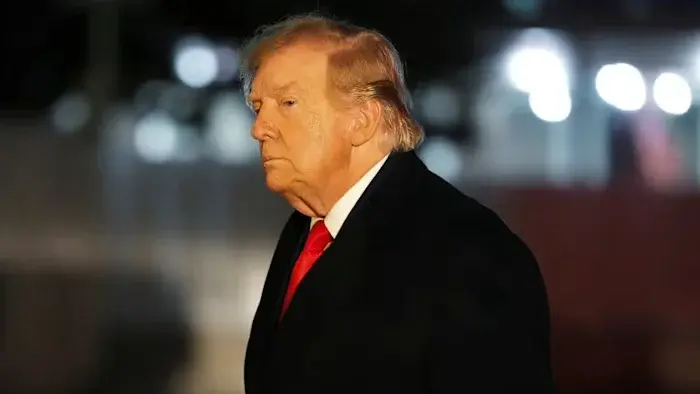
President Donald Trump stated in an interview that the US has no immediate plans to strike Iran, despite earlier speculation about post-midterm escalation. He described the current standoff as successful, noting increased oil flow through the Strait of Hormuz and a naval blockade stifling Tehran’s economy. While acknowledging readiness for further action, Trump emphasized ongoing indirect negotiations regarding Iran’s enriched uranium stockpile and shifted focus to the upcoming congressional elections.
Key points
- Trump told the Financial Times that the US is not currently planning to strike Iran, though he confirmed military readiness.
- The US launched air strikes on Qeshm Island in the Strait of Hormuz on Monday, described as a defensive measure.
- Trump claimed energy prices would drop after the midterms and that oil flow through the Strait of Hormuz has increased.
- Indirect negotiations are ongoing regarding Iran’s approximately 1,000lb stockpile of enriched uranium, which Trump calls 'nuclear dust'.
- Brent crude prices fell by more than $10 per barrel recently, reaching about $104, amid hopes for peace talks.
Background
This statement follows weeks of heightened tension, including Pentagon plans for MOAB strikes and warnings from Iranian leadership about immediate retaliation. Previous coverage highlighted concerns over a potential post-midterm military campaign and diplomatic efforts mediated by Qatar. The current situation reflects a shift in focus from active combat to economic pressure and negotiation, occurring just before the US midterm elections.
Why it matters
The lack of immediate strikes reduces the risk of immediate regional escalation and allows for continued diplomatic channels. However, the ongoing naval blockade and threat of future action maintain economic pressure on Iran, influencing global oil markets and energy prices. The outcome of the midterms may determine whether the US pursues further military action or continues its current strategy of containment and negotiation.
What to watch
The US will monitor the results of the midterm elections, which could influence Trump’s willingness to escalate or de-escalate the conflict. Indirect negotiations on Iran’s nuclear stockpile will continue, and the US will assess the effectiveness of its naval blockade in stifling Iran’s economy. Any shift in the political landscape in Washington could lead to a change in the tone and strategy of the US-Iran standoff.
Want the full story? Read the original reporting
Read on Financial Times