
2026 Midterms Mark Historic Breakthroughs for Native Women in Tribal, State, and Federal Offices
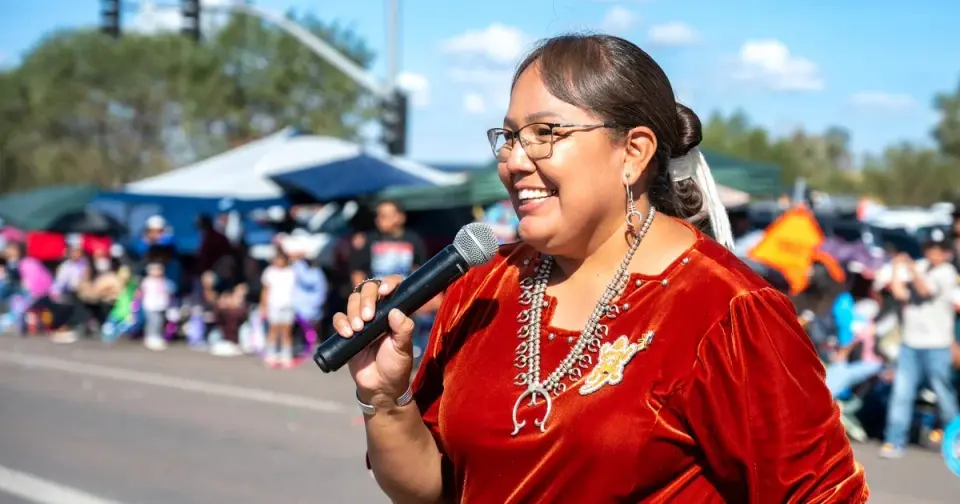
The 2026 US midterm elections saw a surge in Native American women’s political leadership, with historic firsts achieved at the tribal, state, and federal levels. Deb Haaland became the first Native American woman to govern a US state, while Peggy Flanagan became the first Native American woman elected to the US Senate. Crystalyne Curley and Tina Abrams were elected as the first female presidents of the Navajo and Seneca Nations, respectively. These victories are part of a broader trend, with at least 75 Native women and gender-diverse candidates winning races nationwide, signaling a significant shift in Indigenous political representation.
Key points
- Deb Haaland, a Laguna Pueblo citizen and former Interior Secretary, was elected governor of New Mexico, becoming the first Native American woman to lead a US state.
- Peggy Flanagan, a White Earth Band of Ojibwe member and former Minnesota lieutenant governor, won the US Senate seat, becoming the first Native American woman to serve in the chamber.
- Crystalyne Curley was elected president of the Navajo Nation, the largest tribal nation by land area, becoming its first female leader in modern history.
- Tina Abrams was elected president of the Seneca Nation of Indians in New York, also becoming the first woman to lead the tribe in its modern history.
- At least 75 Native women, non-binary, and Two Spirit candidates won elections across the country, with 363 Indigenous candidates running in total.
- Mary Peltola, a Yup’ik woman, may join Flanagan in the Senate if she wins her undecided Alaska race, potentially making three Native people serve simultaneously.
Background
Native American political participation has a long and difficult history, with voting rights only fully established in the 1960s. In 1985, Wilma Mankiller became the first woman elected principal chief of the Cherokee Nation. In 2018, Deb Haaland and Sharice Davids became the first Native American women elected to Congress. Haaland later became the first Indigenous cabinet secretary in 2020. New Mexico became the first state to implement an updated Native American Voting Rights Act in 2023, giving tribes greater input on polling and redistricting. These recent victories build on decades of organizing and representation efforts.
How outlets are covering it
NBC News emphasizes the personal journeys and historical significance of the elected leaders, highlighting Curley’s childhood inspiration and Haaland’s emotional response to her victory. The Guardian focuses on the broader trend, noting that at least 75 Native women and gender-diverse candidates won races, and frames the results as a 'seismic shift' in Indigenous communities. The Times of India provides a comprehensive overview of the milestones, including the potential for Mary Peltola to join the Senate, and highlights the long road from limited voting rights to current representation. All sources agree on the historic nature of the victories but differ in emphasis: NBC on individual stories, The Guardian on collective impact, and The Times of India on historical context and broader trends.
Why it matters
These elections mark a significant shift in Native American political representation, with women breaking barriers at the tribal, state, and federal levels. The victories of Haaland, Flanagan, Curley, and Abrams signal a new era of Indigenous leadership and policy influence. Their success may inspire younger generations and lead to changes in areas such as environmental policy, education, and economic development. The broader trend of Native women and gender-diverse candidates winning races suggests a growing political presence and influence for Indigenous communities in the US.
What to watch
The elected leaders will take office in January 2027, with Haaland focusing on affordability and education in New Mexico, and Curley transitioning the Navajo Nation away from coal development. The outcome of Mary Peltola’s Alaska Senate race will determine if three Native people serve in the Senate simultaneously. The broader gains for Native women and gender-diverse candidates may lead to increased representation in local and state governments, influencing policy and representation in the coming years.
- Native American women made history in tribal, state and federal elections NBC News
- ‘Seismic shift’: Native American women made significant gains in US midterms The Guardian
- Navajo Nation elects its first woman president as political battles loom Axios
- The Navajo Nation is set to have its first woman president The 19th News
- The 2026 US elections produced the first Native American woman governor and senator, while women also won the Navajo and Seneca nation presidencies; at least 75 Native women and gender-diverse candidates won races The Times of India
Want the full story? Read the original reporting
Read on NBC News