
2026 Midterms: Turnout Surges as Democrats Chase House Control Amid Economic Anger
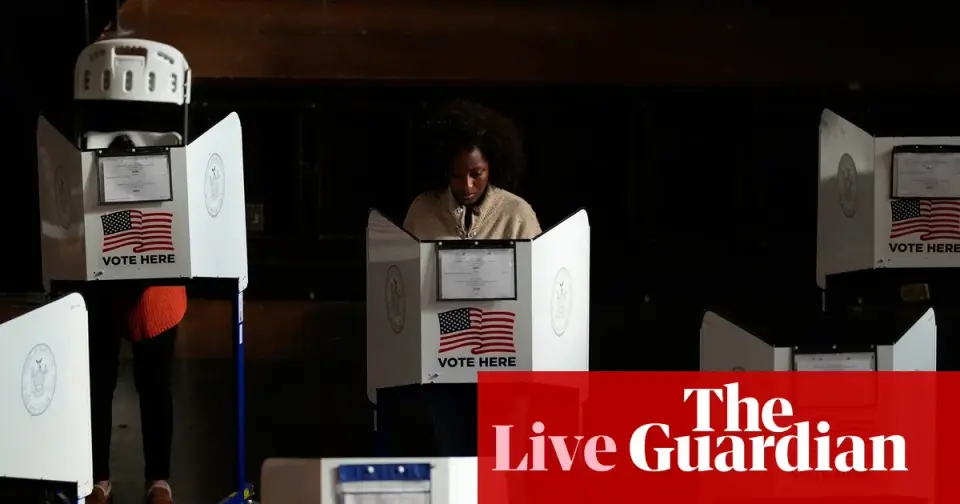
American voters cast ballots in the 2026 midterm elections, with early data indicating a surge in participation that outpaces 2022 levels. The vote is widely viewed as a referendum on President Donald Trump’s second term, driven by voter frustration over high gas prices, inflation, and immigration enforcement. Democrats are favored to flip the House, while Republicans fight to retain the Senate. Technical glitches in several states and federal monitoring efforts have complicated the process, but officials assure voters that all ballots will be counted.
Key points
- Turnout has significantly exceeded 2022 levels, with Florida reporting over 1.86 million votes cast by mid-afternoon and Georgia expecting 1.4 million total votes.
- Democrats need a net gain of three House seats and four Senate seats to take control; polls suggest a 'blue wave' is possible, particularly in battleground states like Michigan and Texas.
- Economic concerns, including gas prices exceeding $4 per gallon and rising food costs, are cited as primary drivers for voters across the political spectrum.
- Technical issues affected voting in Mississippi, Florida, and New York, with Westchester County reporting up to 250,000 ballots requiring emergency scanning procedures.
- The Justice Department deployed approximately 1,000 monitors nationwide, a move described by critics as an intimidation tactic, while courts have blocked some federal demands regarding non-citizen voter rolls.
Background
Recent archive data from late October indicated a strong Democratic surge in early voting, particularly in battleground states like Texas and Iowa. Republicans had expressed alarm over this trend, with some leaders warning of a potential 'bloodbath.' The current election day results confirm this momentum, with early in-person turnout matching the high participation seen in mail-in ballots, suggesting a sustained Democratic advantage rather than a late Republican catch-up.
How outlets are covering it
The Guardian emphasizes the emotional and symbolic weight of the vote, highlighting voters linking their ballots to recent immigration enforcement deaths in Minneapolis. MS NOW focuses on the practical challenges of voting, noting increased voter intimidation concerns and technical delays in Pennsylvania and North Carolina. The Washington Post provides a strategic analysis, noting that Republicans are privately preparing for a House loss and focusing on holding the Senate, while Democrats feel optimistic about a broad map of competitive districts. All sources agree that economic anxiety is the dominant theme, though they differ on the extent of Republican voter apathy versus active opposition.
Why it matters
The outcome will determine whether Congress can check or support the Trump administration’s agenda for the final two years of his presidency. A Democratic House victory would likely trigger investigations into the administration, while a Republican Senate hold would preserve a legislative path for the White House. The election also signals the long-term viability of the Republican coalition in the face of rising economic costs and cultural polarization.
What to watch
Final results are expected to trickle in as polls close at 8:00 PM ET in most states, with some eastern counties extending hours due to technical issues. The first official results have already come from Guam, where Republicans won the governorship. Exit polls and final vote counts will determine if Democrats achieve the necessary net gains to control both chambers of Congress.
- Voter turnout surges in US midterm elections with control of Congress at stake – live The Guardian
- 2026 midterm election results live: Voters decide control of the U.S. House and Senate MS NOW
- What early voting does and doesn’t tell us about the 2026 midterms Yahoo
- Voting begins in US midterm elections – in pictures The Guardian
- Election 2026 results, live updates: Midterm voters to determine control of Congress The Washington Post
Want the full story? Read the original reporting
Read on The Guardian