
Exit Polls Reveal Voters Blame Trump for Economic Hardship
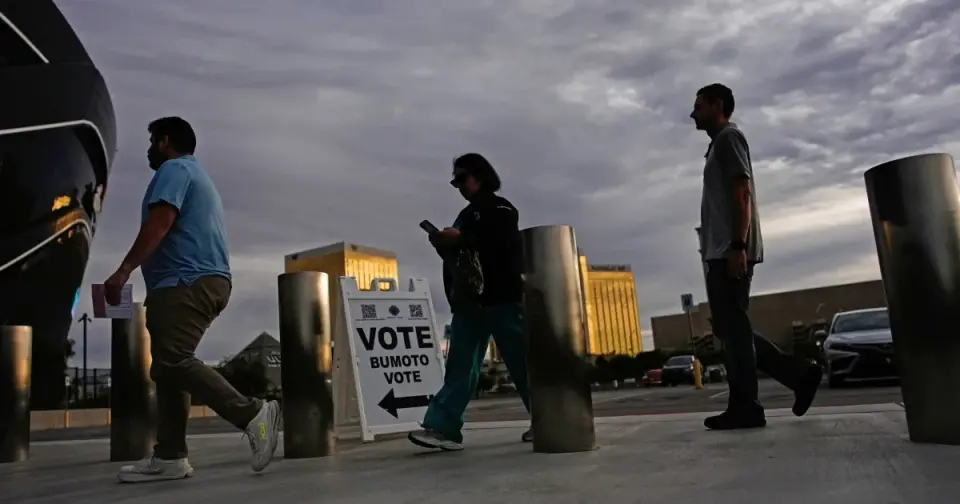
Early exit poll data indicates that 43% of voters view the 2026 midterms as a rebuke of President Trump, driven primarily by dissatisfaction with the economy. Approval ratings for the President stand at 38%, significantly lower than his 2018 levels, while 75% of voters describe the national economy as being in rough shape. High costs for gas, food, and utilities are cited as major concerns, with 65% of respondents blaming Trump’s policies for worsening economic conditions.
Key points
- 43% of voters cited opposition to Trump as a reason for their vote, a figure higher than the 2018 midterm election.
- Trump’s job approval rating is 38%, down from 45% in 2018, with majorities disapproving of his performance in key Senate battleground states like Georgia, Ohio, Michigan, and Texas.
- 75% of voters say the economy is in rough shape, and 65% believe Trump’s policies have worsened economic conditions.
- Inflation is a primary driver of voter sentiment, with 88% concerned about food costs, 87% about fuel, and 86% about utilities.
- Unfavorable views of both parties are rising, with 59% holding negative opinions of the GOP and 54% of the Democrats; nearly 1 in 5 voters dislike both parties.
- Latino voters show a slight shift back toward the Democratic Party, with 43% identifying as Democrats compared to 39% in 2024, halting a previous decline in party identification.
Background
This election follows a period of intense political activity, including Trump’s recent campaign rallies and controversial decisions such as the pardon of a Venezuelan banker and the failed Russian diesel deal intended to lower fuel prices. Earlier in the year, Senator Cynthia Lummis blocked a Senate resolution condemning Trump’s use of federal funds for television ads, a move that drew bipartisan criticism. Additionally, North Texas saw record early voting numbers despite registration software glitches, indicating high voter engagement leading up to this election day.
Why it matters
The data suggests that economic anxiety, rather than partisan loyalty, is the dominant factor influencing voter behavior in 2026. The significant drop in Trump’s approval ratings and the widespread dissatisfaction with inflation indicate that his recent campaign efforts have failed to mitigate voter frustration. This shift in sentiment, particularly among key demographic groups like Latino voters, may signal a broader realignment in the political landscape, potentially impacting future legislative priorities and party strategies.
What to watch
Analysts will closely monitor the final results to see if the exit poll trends hold across all demographics, particularly among voters under 30. The performance of Democratic candidates in swing states will be critical in determining whether the economic discontent translates into a legislative majority. Additionally, the long-term impact of high inflation on voter trust in both major parties will be a key metric for future political strategy.
Want the full story? Read the original reporting
Read on NBC News