
2026 Midterms: Voters Reject Abortion Bans, Wealth Tax, and Data Center Expansion
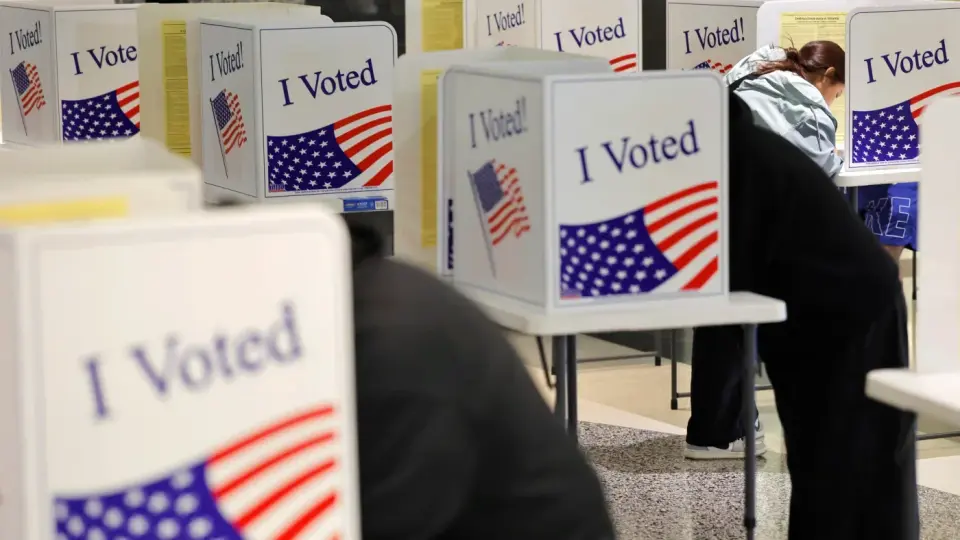
Voters in 39 states and D.C. decided 146 ballot measures, rejecting abortion bans in Missouri and Idaho while approving protections in Nevada and Virginia. California’s billionaire tax remains undecided, and widespread opposition to data centers emerged across multiple states.
Key points
- Missouri and Idaho voters rejected measures to ban abortion, while Nevada and Virginia passed constitutional protections for reproductive freedom.
- California’s proposed 5% wealth tax on billionaires over $1 billion remains too close to call, with the opposition campaign being one of the most expensive in state history.
- Voters in at least 10 states passed measures restricting or banning data centers, reflecting widespread concern over electricity costs and local impact.
- Arizona and Colorado passed measures restricting transgender youth access to sports and gender-affirming care, while Vermont added broad equal protection language to its constitution.
- Florida voters approved a property tax cut for homeowners, despite warnings that it would reduce funding for public services like libraries and transportation.
Background
This election cycle followed a trend since 2022 where voters have increasingly used ballot measures to secure abortion access after the Supreme Court overturned Roe v. Wade. Previous coverage noted that spending on these initiatives exceeded $400 million, with significant financial battles in states like Idaho and Missouri. The 2026 results continue this pattern, with voters in diverse states reaffirming or expanding reproductive rights, while also grappling with new issues like AI infrastructure and wealth taxation.
How outlets are covering it
NPR and the Guttmacher Institute emphasize the success of abortion rights measures, noting that three of four states with such measures passed protections or rejected bans. CNN highlights the uncertainty surrounding California’s wealth tax and the mixed results on voting rights, such as the passage of voter ID laws in some states and rejection in others. AP News provides a neutral overview, categorizing the measures by topic without editorializing on the outcomes. The Guttmacher Institute adds context on the legal implications of these measures, noting that constitutional protections often require litigation to fully restore access, as seen in Missouri and Arizona. All sources agree on the basic results but differ in emphasis, with NPR and Guttmacher focusing on reproductive rights, CNN on tax and voting issues, and AP on the breadth of the measures.
Why it matters
These results signal a shift in voter priorities, with a strong rejection of abortion bans and a growing opposition to data centers, which are seen as drivers of rising electricity costs. The undecided status of California’s wealth tax could have national implications for tax policy, while the mixed results on LGBTQ rights and voting rules reflect deep divisions in the country. The outcomes also highlight the increasing use of ballot measures as a tool for direct democracy, bypassing legislatures to address contentious issues.
What to watch
The final outcome of California’s wealth tax will be determined in the coming days, potentially setting a precedent for other states. In states where abortion protections passed, legal challenges may follow to test the scope of these rights. The data center restrictions may lead to further local debates and potential state-level legislation. Additionally, the redistricting measures in Missouri and Maryland could shape congressional maps for the 2028 election cycle.
- Where voters stand on state ballot measures, from abortion to LGBTQ rights to guns NPR
- Ballot measure takeaways: Voters back abortion rights, along with photo ID and citizenship requirements at the polls NBC News
- Ballot measure results CNN
- 2026 Ballot Measure Results AP News
- Abortion Rights Win in Three out of Four States in 2026 Guttmacher Institute
Want the full story? Read the original reporting
Read on NPR