
Administration Confirms Nov. 15 Closure of East Potomac Golf Course Amid Legal Disputes
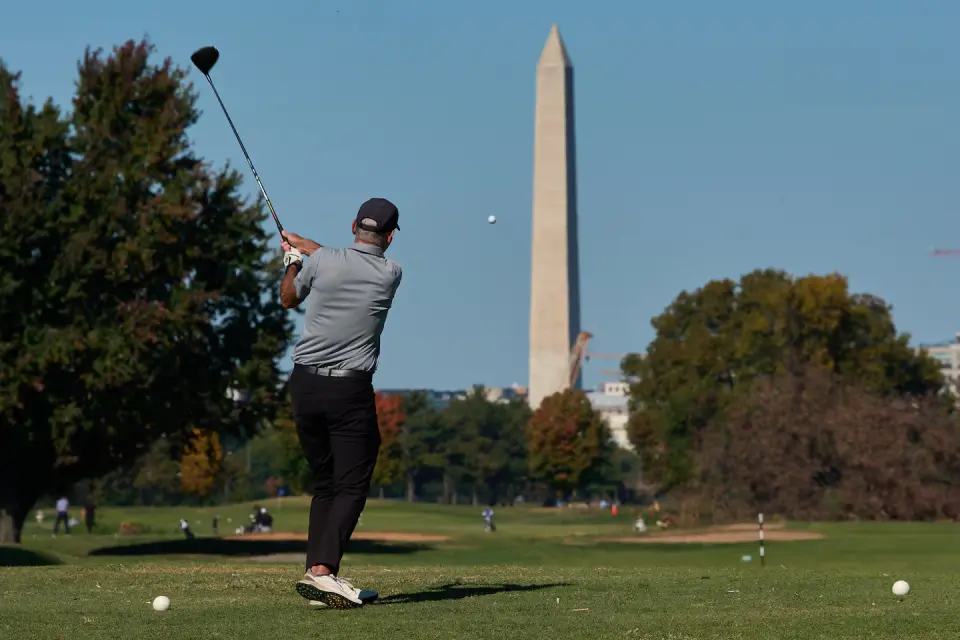
The Trump administration has officially confirmed plans to close the East Potomac Golf Course on November 15, 2026, despite recent court injunctions and contradictory statements from officials. The closure will allow for a redesign by architect Tom Fazio, though the National Capital Planning Commission will not review the design until December 3. Legal challenges and safety concerns regarding the deteriorating seawall remain central to the dispute.
Key points
- The National Park Service will close the park south of Buckeye Drive, including the 36-hole course and Ohio Drive, on November 15, 2026.
- A new lease agreement with National Links Trust excludes East Potomac, ending their operation of the course by the closure date.
- The administration plans to submit a Tom Fazio-designed course rendering to the National Capital Planning Commission on October 30, with a review scheduled for December 3.
- Justice Department lawyers previously testified that no finalized plan existed, contradicting President Trump's public announcements of an immediate closure.
- U.S. District Judge Ana C. Reyes issued a preliminary injunction requiring 10 business days' notice for any irreversible changes to the park.
- The administration cites safety hazards, including a crumbling seawall and deteriorating driving range netting, as justification for the closure.
Background
This development follows a series of legal actions in late October 2026, where Judge Reyes issued a 70-page preliminary injunction halting further alterations to East Potomac Park after the administration removed over 400 trees without notice. The dispute centers on the administration's failure to acknowledge a finalized renovation plan during sworn testimony, leading to a credibility crisis with the court. The case is part of broader legal challenges against the administration's plans to overhaul historic Washington, D.C. landscapes, including the White House ballroom and West Potomac Park.
How outlets are covering it
The Washington Post emphasizes the contradiction between the administration's previous testimony and its current actions, highlighting the legal and procedural issues surrounding the closure. ABC News focuses on the timeline and the administration's justification for the closure, including safety concerns and the president's public statements. Both sources agree on the key dates and the involvement of the National Capital Planning Commission, but the Post places more emphasis on the legal challenges and the judge's injunction, while ABC News highlights the president's social media posts and the administration's response to the court's demands.
Why it matters
The closure of East Potomac Golf Course represents a significant shift in the management of historic public spaces in Washington, D.C., and raises questions about the administration's adherence to legal and procedural requirements. The dispute highlights the tension between executive authority and judicial oversight, as well as the potential impact on public access to historic sites. The case also underscores the broader legal challenges facing the administration's plans to overhaul historic landscapes, including the White House ballroom and West Potomac Park.
What to watch
The National Capital Planning Commission is scheduled to consider the proposed course design on December 3, 2026. The administration has appealed Judge Reyes's injunction but has not requested a stay, allowing the closure timeline to proceed. The court is expected to hold further hearings to address the administration's contradictory statements and the legality of the closure. The administration has also requested $500 million from Congress for National Park Service construction, including targeted restoration of the East Potomac seawall and the World War II Memorial.
- As Trump derides judge again, officials say golf course will soon close The Washington Post
- Nov. 15 closure at East Potomac is bigger than the golf course, court filing shows WUSA9
- National Links Trust signs long-term lease at 2 D.C. golf courses, severs ties with East Potomac Yahoo Sports
- Justice Department announces Trump plans for golf course are in the works, course will close Nov. 15 ABC News - Breaking News, Latest News and Videos
- Trump Says He’ll Hold Federal Judge ‘Responsible’ For Injuries Or Deaths At D.C. Golf Course Forbes
Want the full story? Read the original reporting
Read on The Washington Post