
Senate Blocks Permanent Daylight Saving Time Despite Trump's Public Pressure
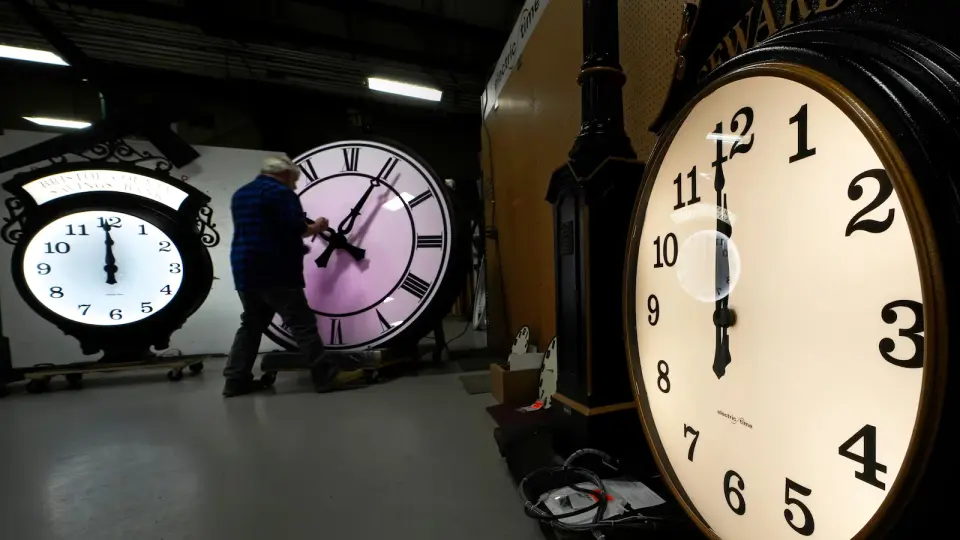
The US Senate is unlikely to vote on the Sunshine Protection Act before the year ends, maintaining the twice-yearly clock change. President Trump has aggressively pressured Senate Republicans to pass the House-approved bill, but leaders like Tom Cotton and John Thune oppose it due to concerns over dark winter mornings. Clocks will fall back on November 1, 2026, as the bill remains stalled.
Key points
- The Senate is not expected to act on the House-passed Sunshine Protection Act before the end of 2026, defying President Trump's demands.
- President Trump has publicly pressured Senate Republicans, including posting Sen. Tom Cotton's personal phone number, to pass the bill making daylight saving time permanent.
- Senators from northern states, such as Mike Rounds of South Dakota, oppose the change due to concerns about children commuting to school in the dark during winter.
- The bill will not be voted on before the November 3 midterm elections, with Senate Majority Leader John Thune having previously opposed similar measures.
- An AP-NORC poll found that only 12% of Americans support the current time-change system, while nearly half oppose it, though the Senate remains divided.
Background
The Sunshine Protection Act passed the US House in July 2026 but stalled in the Senate. Previous attempts to make daylight saving time permanent, such as the 1973 law, were repealed due to public backlash over late sunrises. Nineteen states have enacted local laws for permanent daylight saving time, but these require federal approval to take effect. The current twice-yearly time change system will continue, with clocks falling back on November 1, 2026.
How outlets are covering it
ABC News and AP News emphasize the Senate's resistance to Trump's pressure, highlighting Sen. Tom Cotton's opposition and the lack of a vote before the midterm elections. Yahoo News provides a factual overview of the time change schedule and states that do not observe daylight saving time, noting the bill's stall. TODAY.com focuses on the health implications of the time change, advising Americans to use the extra hour of sleep on November 1 to mitigate circadian rhythm disruptions, particularly after the more stressful spring transition.
Why it matters
The failure to pass the Sunshine Protection Act means Americans will continue to adjust their clocks twice a year, a practice opposed by a majority of the public and medical organizations. The political clash highlights the tension between presidential pressure and Senate leadership, with potential impacts on public health, safety, and daily routines across different regions of the US.
What to watch
The Senate is expected to return after the November 3 midterm elections, but the bill is considered a 'non-starter' by Republican leaders. Clocks will fall back one hour at 2 a.m. on November 1, 2026, and will spring forward again in March 2027, maintaining the current system unless new legislation is passed.
- Senate is skeptical about making daylight saving time permanent despite Trump's pressure ABC News - Breaking News, Latest News and Videos
- Senate is skeptical about making daylight saving time permanent despite Trump’s pressure AP News
- When is daylight saving time in California? When to turn back clocks Yahoo
- The No. 1 Way to Protect Your Heart Health During the Fall Time Change, According to a Doctor TODAY.com
- With daylight saving time ending, your commute can become more hazardous ABC7 Los Angeles
Want the full story? Read the original reporting
Read on ABC News - Breaking News, Latest News and Videos