
Alito Confirms He Will Remain on Supreme Court Despite Midterm Senate Race
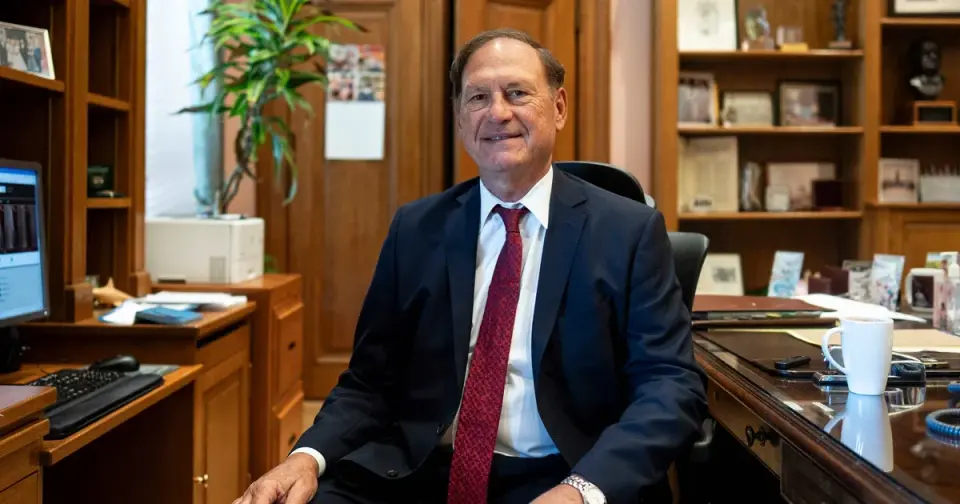
Justice Samuel Alito has stated he intends to remain on the Supreme Court through the current term, dismissing speculation that he might retire to allow President Trump to appoint a successor before the November 3 midterms. Alito, 76, emphasized that his decision was made months ago and that he does not feel physically or mentally decrepit. This statement clarifies the political stakes surrounding the two oldest justices, Alito and Clarence Thomas, as polls indicate the Senate is up for grabs. While a post-election retirement would be unusual, it could allow Republicans to confirm a nominee before January 3, whereas a Democratic Senate would likely block such appointments. Alito also discussed his new book, 'So Ordered,' defending his originalist judicial philosophy and rejecting accusations that the conservative majority is driven by partisan results.
Key points
- Alito stated he plans to stay on the court through the term ending in June, rejecting speculation about a strategic retirement.
- The decision impacts the November 3 midterms, where control of the Senate is contested and could determine if Trump can fill a vacancy.
- Alito defended his originalist approach in his new book, 'So Ordered,' arguing that legal analysis, not desired outcomes, dictates his rulings.
- Critics describe Alito as the most consistently conservative justice, noting his dissents in recent cases involving tariffs and birthright citizenship.
- Alito hinted at opposing court reform proposals, such as term limits or adding seats, citing concerns for the court's independence.
Background
This development follows earlier tensions over judicial appointments, including Democratic vows to block Trump’s nominees if they win Senate control, mirroring the 2016 Garland nomination strategy. It also occurs amid ongoing disputes over the court’s size, where Republicans recently failed to pass a constitutional amendment capping the court at nine justices. Additionally, Alito’s recent recusal in the Suncor Energy v. Boulder climate case highlighted the potential for 4-4 splits that could impact national precedents.
Why it matters
Alito’s commitment to remaining on the bench stabilizes the current conservative majority for the upcoming term but intensifies the political stakes of the 2026 midterms. If Democrats win the Senate, they may block any future Trump nominees, potentially leaving the court’s composition unchanged for years. Conversely, a Republican victory could allow a lame-duck confirmation if Alito or Thomas retires. Alito’s public defense of originalism and rejection of court reform proposals signals a continued ideological rigidity that will shape future rulings on abortion, voting rights, and executive power.
What to watch
The Supreme Court will open a new term featuring cases on assault weapons and Trump’s deportation policies. The outcome of the November 3 midterms will determine whether Democrats can block any future judicial appointments. Alito’s new book, 'So Ordered,' will likely face scrutiny from legal scholars and political critics regarding his interpretation of constitutional rights.
Want the full story? Read the original reporting
Read on Bloomberg Law News