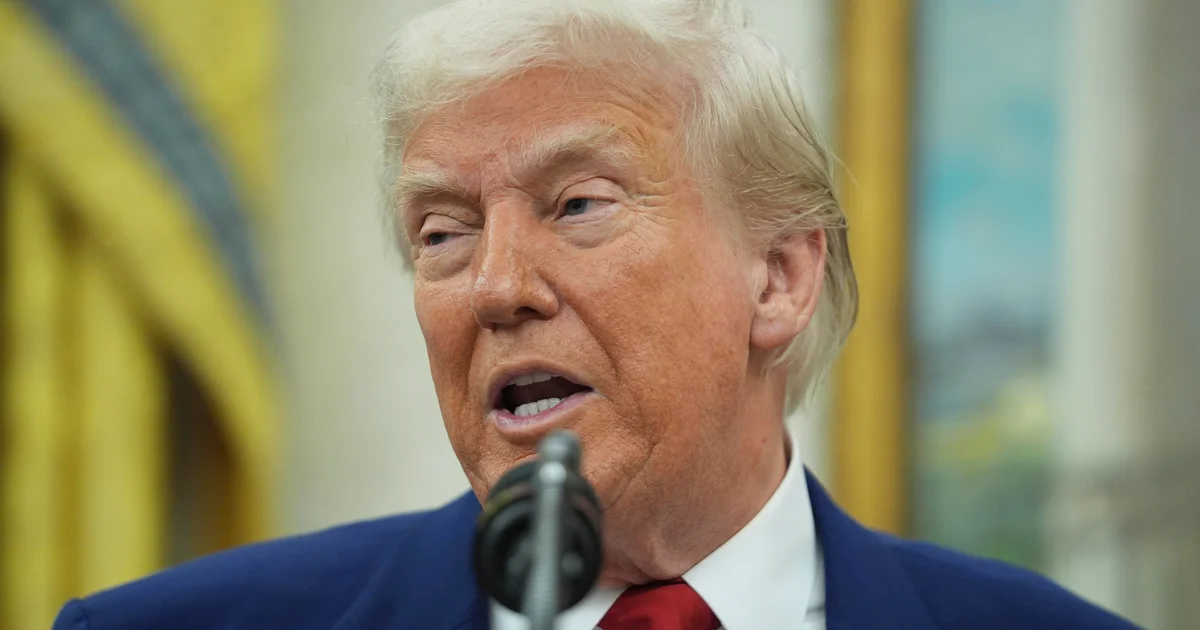
Senate leaders from both parties have signaled that a potential Supreme Court vacancy could trigger a historic confirmation standoff if Democrats win the 2026 midterms. While Republicans are prepared to push nominees through a lame-duck session, Democrats are vowing to block any Trump appointees, citing the precedent set by the 2016 Garland nomination.
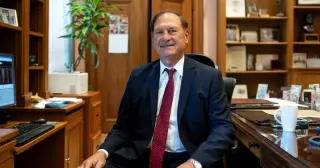
Justice Samuel Alito has stated he intends to remain on the Supreme Court through the current term, dismissing speculation that he might retire to allow President Trump to appoint a successor before the November 3 midterms. Alito, 76, emphasized that his decision was made months ago and that he does not feel physically or mentally decrepit. This statement clarifies the political stakes surrounding the two oldest justices, Alito and Clarence Thomas, as polls indicate the Senate is up for grabs. While a post-election retirement would be unusual, it could allow Republicans to confirm a nominee before January 3, whereas a Democratic Senate would likely block such appointments. Alito also discussed his new book, 'So Ordered,' defending his originalist judicial philosophy and rejecting accusations that the conservative majority is driven by partisan results.
President Donald Trump has appointed 31 federal judges in their 30s across two terms, significantly outpacing predecessors Joe Biden and Barack Obama. This strategy ensures a long-term ideological imprint on the judiciary, as these young appointees could serve for up to 60 years. While the White House defends the nominees as highly qualified, critics note the unprecedented scale of youth appointments in federal courts.
A federal judge has ordered the reinstatement of Roger Rogoff as the U.S. attorney for the Western District of Washington, ruling that President Donald Trump cannot legally fire prosecutors appointed by district courts. The decision marks a significant legal setback for the administration's efforts to install loyalists in key prosecutorial roles without Senate confirmation.
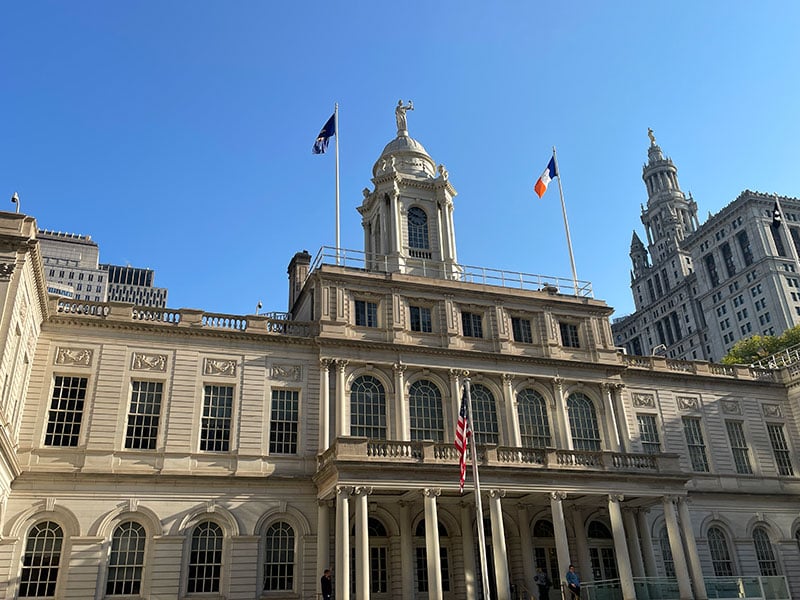
The order establishes the Mayor’s Advisory Committee on the Judiciary in New York City to ensure merit-based, transparent, and ethical judicial appointments, with a focus on diversity, public engagement, and confidentiality, replacing a previous order from 2022.
Mayor Zohran Mamdani appointed Ali Najmi as Chair of the Mayor’s Advisory Committee on the Judiciary to promote transparency and inclusivity in New York City's judicial selection process, including engaging diverse legal stakeholders and publishing demographic data, with the goal of reflecting the city's diversity and ensuring fairness in the judiciary.
Governor Gavin Newsom announced the appointment of six new Superior Court Judges across California, including in Tulare, Los Angeles, and San Bernardino counties, filling vacancies left by retirements and elevations, with appointees having diverse legal backgrounds and all being Democrats.
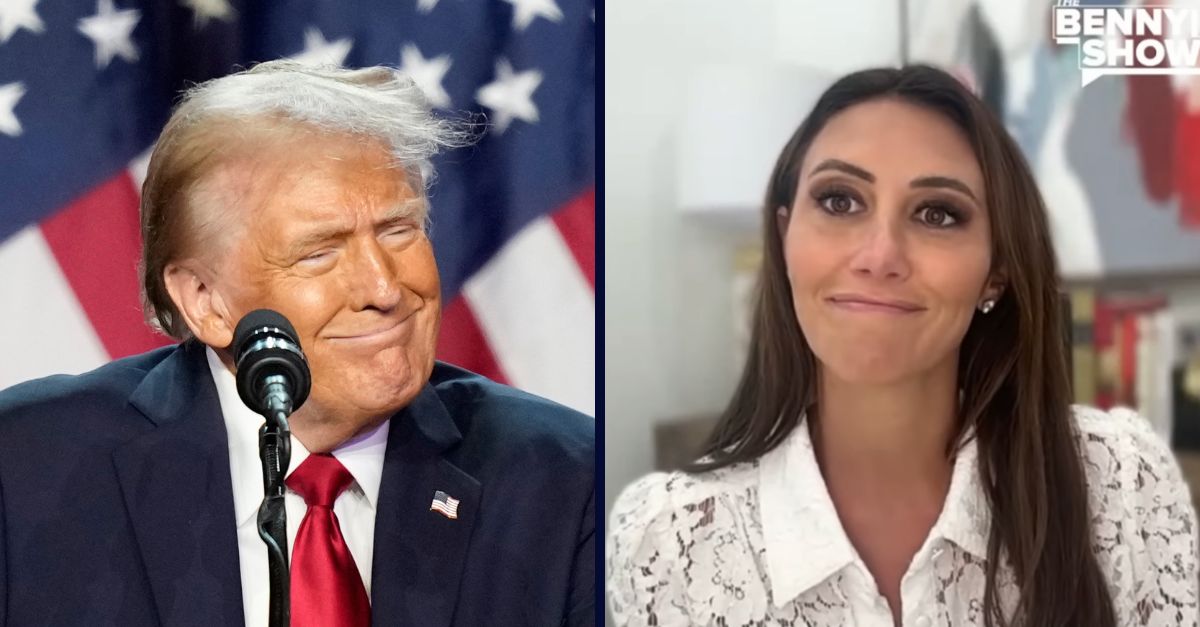
Alina Habba, acting US Attorney for New Jersey, criticizes federal judges for blocking her appointment extension, claiming it undermines presidential authority and is influenced by political maneuvers, including Senate delays and judicial interference.
The article discusses upcoming legislative activities in Congress, including votes on President Trump's rescissions request, bipartisan funding negotiations, defense appropriations, a landmark crypto policy bill, and the confirmation of Trump's judicial nominee, highlighting the political dynamics and key players involved.
The Senate Judiciary Committee is scheduled to vote on July 17 on controversial nominees Emil Bove and Jeanine Pirro, amid opposition and scrutiny over their backgrounds and connections to Trump. Meanwhile, other political developments include plans for additional legislative bills, federal funding cuts to clean energy programs, and ongoing investigations into President Biden's administration, reflecting a busy and contentious political landscape.
The article discusses the growing divisions within the conservative legal movement over Donald Trump's influence, highlighting conflicts between Trump loyalists and traditional conservatives, especially regarding judicial appointments and the interpretation of the Constitution, with potential implications for future judicial and political dynamics.
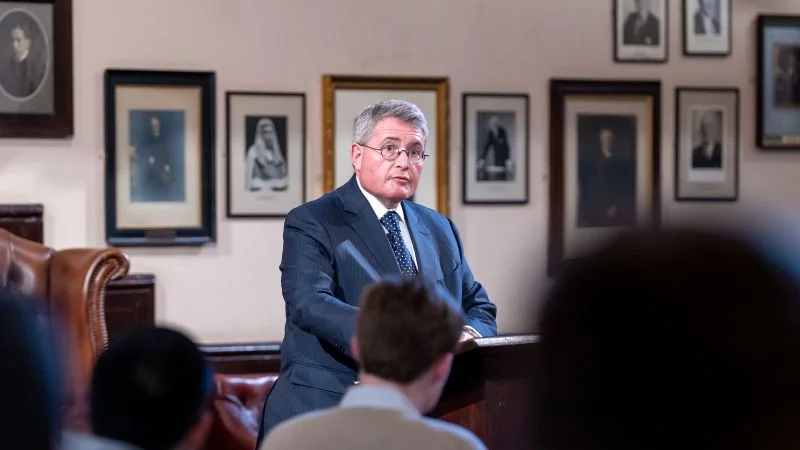
Leonard Leo, a key figure in shaping Trump's conservative judiciary, was recently criticized by Trump himself, despite Leo's significant role in appointing three Supreme Court justices and shaping the federal judiciary, which has been a major part of Trump's legacy.
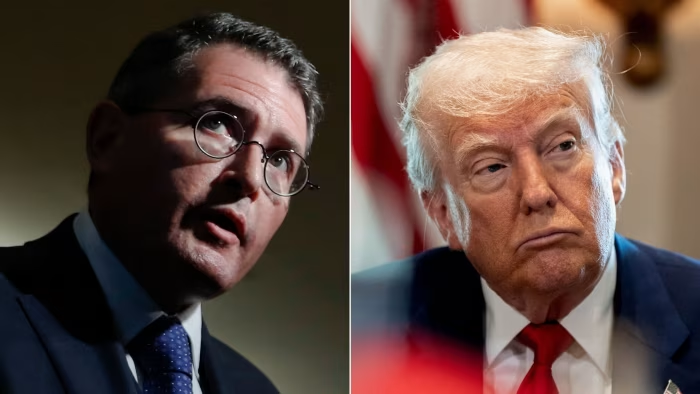
President Trump has publicly disavowed his own judicial legacy, criticizing Leonard Leo and the Federalist Society for their role in shaping his conservative judicial appointments, and claiming that the federal judiciary is now conspiring against him, amid ongoing disputes over judicial rulings and his influence on the courts.
President Trump criticized Leonard Leo and the Federalist Society, accusing Leo of harboring anti-American sentiments and criticizing their advice on judicial nominations, amidst ongoing legal disputes over tariffs and judicial decisions.
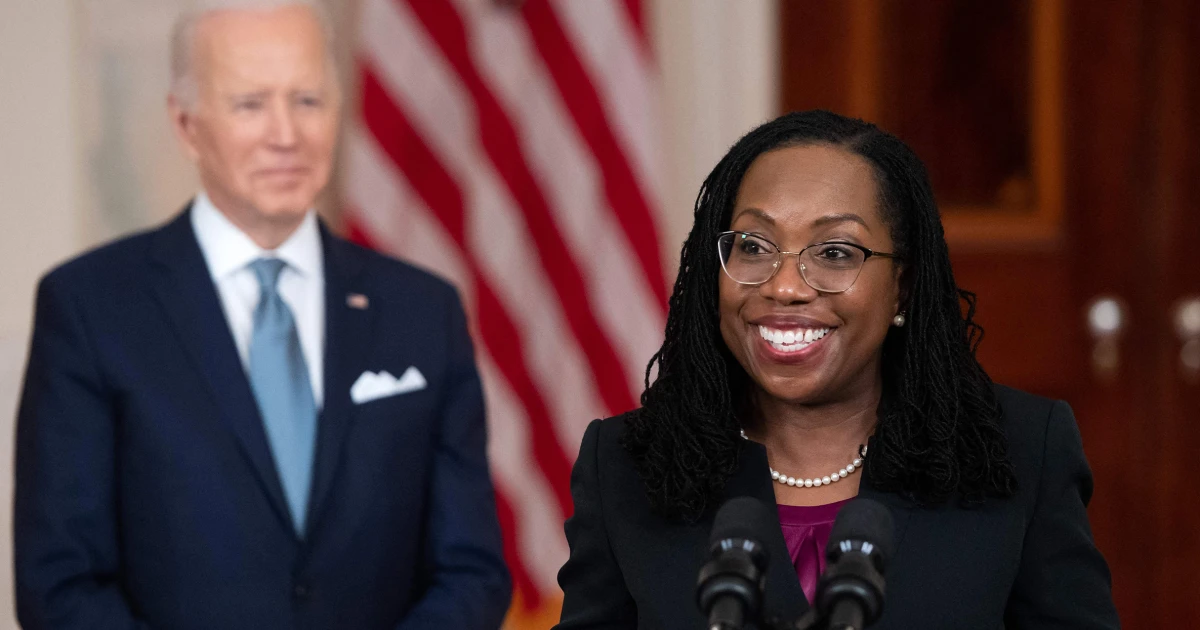
President Joe Biden is on track to appoint more federal judges of color than any previous U.S. president, with 60% of his 233 appointees being people of color. This includes 40 Black women, surpassing previous records. Biden's efforts aim to diversify the judiciary, enhancing representation and trust in the legal system. His appointments include several "firsts," such as Justice Ketanji Brown Jackson, the first Black woman on the U.S. Supreme Court. The Senate continues to confirm his nominees, with several key circuit court appointments pending.