
Alito Rejects Retirement, Closing Window for Trump’s Fourth Supreme Court Pick
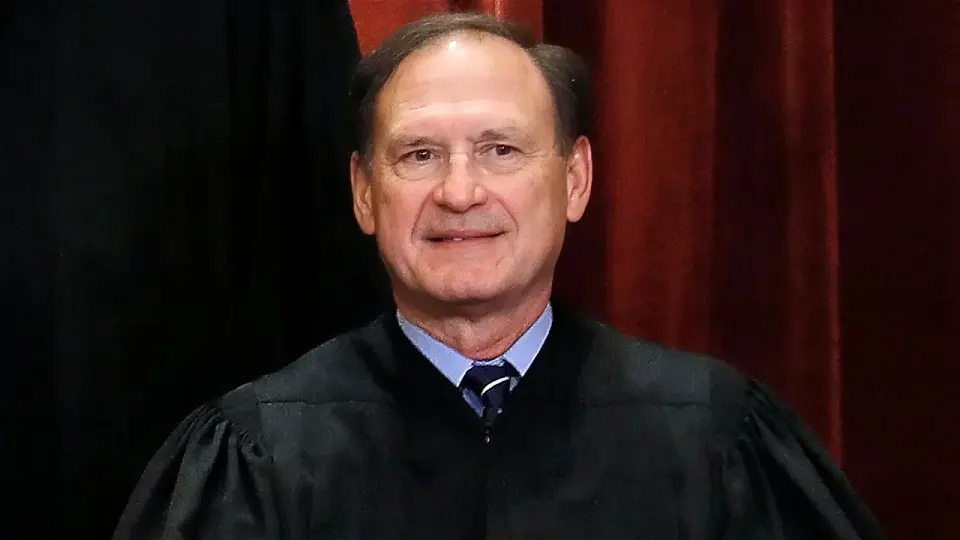
Justice Samuel Alito has confirmed he will not retire from the Supreme Court during the current term, effectively closing the window for President Donald Trump to appoint a fourth justice. This decision follows the Democratic Party’s sweeping victory in the 2026 midterm elections, which has shifted control of the Senate. With Democrats set to hold a majority starting in January, legal experts and political figures warn that Republicans may be unable to confirm any new federal judges or Supreme Court nominees for years, potentially until 2033.
Key points
- Alito, 76, stated he intends to remain on the bench through the current term, ending speculation about a lame-duck retirement.
- Democrats are projected to hold a 55-seat majority in the Senate, with some estimates suggesting control for six years.
- Florida Governor Ron DeSantis stated the chance of confirming a successor for Alito or Justice Clarence Thomas during Trump’s term is zero.
- Conservative legal expert Ed Whelan noted that even a Republican president in 2029 might not secure Senate approval for a nominee until 2033.
- The current 6-3 conservative majority on the Supreme Court is expected to remain intact, as neither Alito nor Thomas plans to step down.
Background
This development follows earlier reports in October 2026 where Alito dismissed rumors of his retirement, emphasizing his commitment to the court. Previous coverage highlighted the political stakes of the 2026 midterms, noting that a Democratic Senate majority would likely block judicial appointments. The current situation confirms that the conservative majority, established during Trump’s first term, will persist without immediate replacement.
How outlets are covering it
Fox News emphasizes the finality of the situation, citing Alito’s direct confirmation to the outlet and highlighting DeSantis’s assertion that no conservative nominee can be confirmed. The Washington Post frames the issue as a missed opportunity for Republicans, noting the 'unsettling possibility' of a multi-year block on appointments and the potential for court reform debates. The New York Times focuses on the immediate consequence: the closure of the window for Trump to name a fourth or fifth justice. All sources agree on the factual outcome but differ in emphasis: Fox News highlights the political defeat, while The Post and The Times focus on the structural and long-term implications for the judiciary.
Why it matters
The inability to confirm new justices means the current conservative 6-3 majority will likely remain unchanged for a decade. This affects landmark areas of law, including abortion, affirmative action, and religious rights. It also signals a potential shift in the balance of power between the executive and legislative branches regarding judicial appointments, with Democrats vowing to block future nominees.
What to watch
Republicans may face pressure to push for court reforms or attempt to confirm nominees during the lame-duck session, though experts deem this unlikely. Democrats are expected to block any future judicial appointments, potentially leading to a stalemate until Republicans regain Senate control, possibly not until 2033.
- Alito reiterates he's not retiring, is committed through end of current Supreme Court term Fox News
- GOP’s losses will raise pressure on conservative Supreme Court justices to retire The Washington Post
- Justice Alito Will Not Retire From Supreme Court Immediately, Despite Election Outcome The New York Times
- Democrats Can Now Fix the Supreme Court Without Reforming It Bloomberg.com
- The end of Trump’s most potent legacy Politico
Want the full story? Read the original reporting
Read on Fox News