
AP Defies Trump’s Lake America Order, Highlighting Naming Fracture
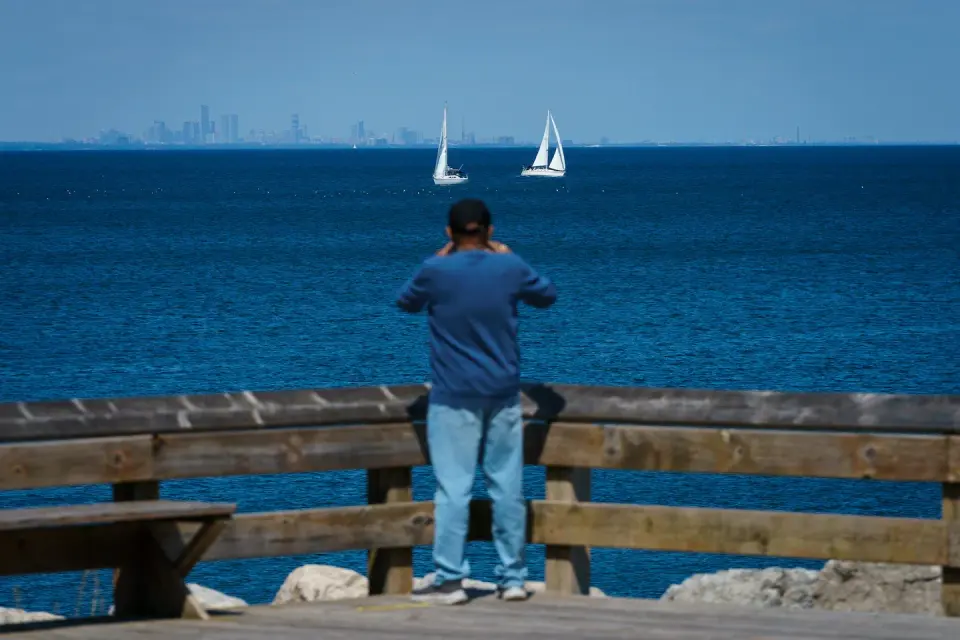
The Associated Press has instructed its reporters to continue using 'Lake Ontario' despite President Trump's executive order renaming the body of water 'Lake America.' The AP clarified that the order only affects US federal databases, not international usage. This move highlights a broader fracture in how the name is perceived, with Canada, Indigenous groups, and some US localities rejecting the change while federal agencies and some mapping services comply.
Key points
- The Associated Press issued guidance on Sept. 9, 2026, directing staff to retain the name 'Lake Ontario' in all reporting.
- The AP stated that Trump’s executive order, signed in August 2026, only mandates changes within the US federal Geographic Names Information System (GNIS).
- The renaming was part of an escalating trade dispute with Canada, which has refused to recognize the new name.
- The Lake Ontario National Marine Sanctuary is retaining its original name, as the order did not alter its specific designation.
- The Seneca Nation opposed the change, citing the lake’s Indigenous name and historical significance.
Background
This dispute follows a pattern of US-Canada tensions. In January 2025, Trump renamed the Gulf of Mexico to the 'Gulf of America,' causing similar confusion in mapping and branding. In August 2026, Ontario Premier Doug Ford displayed a billboard defending the lake's original name. Recent polls indicated broad US public opposition to both the tariff hikes and the renaming, with many Americans viewing the move as a symbolic gesture rather than a practical necessity.
How outlets are covering it
The Washington Post and the Associated Press emphasize the legal and stylistic boundaries of the executive order, noting that it does not bind Canada or private entities. The BBC provides a broader geopolitical context, comparing the situation to the 'Persian Gulf' vs. 'Arabian Gulf' dispute and noting that private mapping services like MapQuest have refused to adopt the new name, leading to a surge in app installs. Fox News highlighted the public backlash, reporting on a Canadian fan at the FIBA Women's World Cup who displayed a sign rejecting the 'Lake America' name, while also noting the US team's victory in the tournament.
Why it matters
The AP’s decision signals that major media institutions will not adopt the federal name change, reinforcing the idea that the renaming is a political tool rather than a geographic reality. This creates a 'two-name' environment that complicates international diplomacy, tourism, and commercial branding, potentially deepening the diplomatic rift between the US and Canada.
What to watch
Expect continued friction between US federal agencies and international bodies over geographic nomenclature. The US government will likely continue to use 'Lake America' in official documents, while Canada, Indigenous groups, and most of the global community will maintain 'Lake Ontario.' This may lead to further disputes over other shared borders or resources.
- AP says it will refer to Lake Ontario by its original name, despite Trump’s order The Washington Post
- Lake Ontario/Lake America: What happens when a place has two different names? BBC
- What app surged in downloads after Trump's 'Lake America' change? The quiz knows npr.org
- How MapQuest’s ‘Lake America’ stance sparked a massive App Store surge Fox Business
- Canadian fan disses Trump's Lake America renaming at FIBA Women's World Cup with sign | OutKick Fox News
Want the full story? Read the original reporting
Read on The Washington Post