
Bessent Blames Lutnick for Megaspeed Blacklist Delay as Huang Resigns
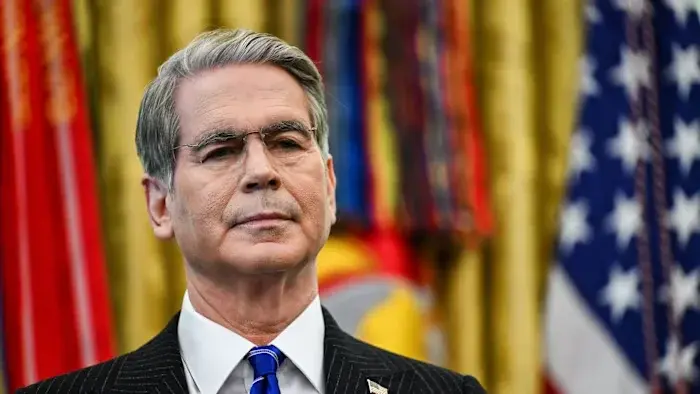
Treasury Secretary Scott Bessent publicly accused Commerce Secretary Howard Lutnick of failing to add Megaspeed to the US export blacklist, despite months of internal pressure. Bessent stated that multiple agencies, including the Treasury, State Department, and Pentagon, supported the ban, but Commerce, which holds the authority to act, delayed the process. This dispute emerged after Nvidia CEO Jensen Huang resigned following an affair with Alice Huang, a Megaspeed executive suspected of being a Chinese spy. While the White House initially defended Lutnick, some Trump advisers are now discussing his potential dismissal. The incident highlights deep rifts within the administration over AI chip controls and national security priorities.
Key points
- Bessent told CNBC that Treasury and other agencies favored blacklisting Megaspeed for months, but Commerce has the 'pen' to act and failed to do so.
- Jensen Huang resigned as Nvidia CEO on Thursday after admitting to an affair with Alice Huang, a Megaspeed executive linked to Chinese intelligence.
- Bessent expressed frustration that chip leakage gives China an advantage in the AI race, contradicting Trump's directive to block advanced chip exports.
- CNN reports that some Trump advisers are discussing whether to dismiss Lutnick, though the White House has publicly maintained confidence in him.
- Lawmakers from both parties are demanding Lutnick testify before Congress and preserve documents related to the Megaspeed investigation.
Background
This dispute follows earlier reports that a Commerce Department investigation into Megaspeed was transferred to the Justice Department after Nvidia's general counsel intervened. The case gained public attention after intelligence officials warned that Huang had a relationship with a suspected spy. Previous coverage noted that Trump had defended Lutnick, calling him a transformative secretary, even as Republicans lost control of Congress in recent midterms.
How outlets are covering it
The Financial Times and CNBC highlight Bessent's direct attribution of blame to Commerce, emphasizing the bureaucratic failure to implement existing authorities. CNN adds the dimension of potential political consequences, noting that some advisers are discussing Lutnick's ouster despite White House support. The New York Times frames the issue as a long-standing conflict, suggesting Lutnick has taken a softer line on Nvidia controls compared to other officials who favor stricter restrictions. All sources agree that the failure to blacklist Megaspeed has become a central point of contention in the administration's handling of AI export controls.
Why it matters
The failure to blacklist Megaspeed raises questions about the effectiveness of US export controls in preventing advanced technology from reaching China. It also highlights internal divisions within the Trump administration over balancing trade interests with national security concerns. The potential dismissal of Lutnick could signal a shift in policy direction, while congressional demands for testimony may lead to broader investigations into the handling of the case.
What to watch
Watch for Lutnick's response to Bessent's accusations and potential congressional testimony. Monitor whether the White House moves to dismiss Lutnick or maintains its current stance. Track any updates from the Justice Department regarding the Megaspeed investigation and whether Nvidia faces further accountability for its client vetting processes.
- Bessent blames Lutnick’s commerce department for failure to blacklist Megaspeed Financial Times
- Bessent: Treasury has wanted Megaspeed restrictions for months, but Commerce is in charge CNBC
- Bessent points finger at Commerce Department in Nvidia scandal as Trump advisers discuss possible Lutnick ouster CNN
- Howard Lutnick Took Softer Line on Nvidia as Calls for Tougher Controls Grew The New York Times
- Lutnick agrees to testify about Nvidia and Microsoft outage hits millions: Morning Rundown NBC News
Want the full story? Read the original reporting
Read on Financial Times