
KPMG Audit Reveals US Returned 99% of $12.26 Billion in Venezuelan Oil Revenue
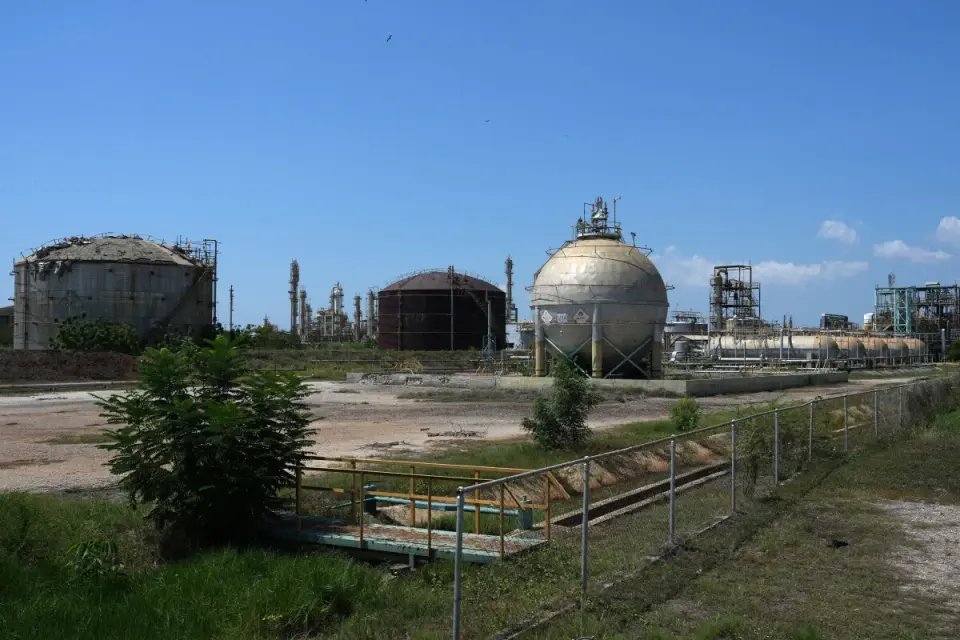
The US State Department released a KPMG audit showing that nearly 99% of $12.26 billion in Venezuelan oil and mineral revenue was returned to the country. The funds, collected after the US captured President Nicolás Maduro in January 2026, were primarily used for foreign exchange interventions and specific government purchases, with $168.6 million remaining in escrow.
Key points
- The audit covers the period from January 3 to September 30, 2026, detailing $12.26 billion in total revenue from Venezuelan crude, gold, minerals, and fertilizer.
- Approximately $12.09 billion was disbursed to Venezuela, while $168.6 million remained in a US Treasury-managed escrow account as of late September.
- Funds were primarily channeled through commercial banks for foreign exchange interventions to stabilize the bolivar, with $133 million used for direct government purchases.
- Specific expenditures included $5 million for the law firm Greenberg Traurig, $24 million for dialysis and coal-mining equipment, and $8.7 million for vaccine debts to the Pan-American Health Organization.
- The report redacts the names of 20 companies that purchased resources, though all were vetted for sanctions compliance and money-laundering controls.
Background
This development follows the US military capture of Venezuelan President Nicolás Maduro in January 2026, who was subsequently brought to New York to face drug-trafficking charges. The interim government, led by former Vice President Delcy Rodriguez, agreed to a broad energy deal allowing the US to manage oil sales. Prior to this audit, experts had questioned the validity of Venezuela’s oil reserve claims and the transparency of the arrangement, while Democratic senators criticized the lack of public accounting for the funds held in US-controlled accounts.
How outlets are covering it
The AP and Washington Post emphasize the scale of the return, noting that 99% of the revenue was sent back to Venezuela, largely through bank transactions for currency stabilization. Al Jazeera highlights the initial setup of a Qatar National Bank account before the US Treasury took over, and notes that $9.4 billion went to legal entities while $2.9 billion went to individuals. While all sources agree on the total revenue figure, the Washington Post notes that Democratic senators had previously criticized the lack of transparency, framing this report as a response to those concerns. Al Jazeera points out that the report is heavily redacted, obscuring the final recipients of the funds, whereas the AP focuses on the specific line-item expenditures approved by the US.
Why it matters
The release of this audit addresses long-standing concerns about the transparency and legitimacy of US control over Venezuelan resources. It provides a detailed accounting of how the funds were used, potentially influencing future US-Latin America policy and the political narrative surrounding the Trump administration’s foreign interventions. The findings may also impact the ongoing legal and diplomatic discussions regarding Venezuela’s democratic transition and the management of its natural resources.
What to watch
The US government will likely continue to monitor the remaining $168.6 million in escrow and approve future disbursements for infrastructure and humanitarian needs. The interim Venezuelan authorities may seek further transparency regarding the redacted company names and the final recipients of the funds. Additionally, the report may influence the upcoming 2027 elections in Venezuela, as the interim government seeks to demonstrate the benefits of the US-managed oil revenue to the public.
- US returns over $12 billion in oil proceeds to Venezuela since Maduro’s ouster, report says AP News
- U.S. Collected $12 Billion in Venezuelan Oil Sales, Returning Nearly All of It WSJ
- U.S. managed $12 billion in Venezuelan oil revenue, State Department says The Washington Post
- US handled $12 billion of Venezuela's oil revenues, report says Reuters
- US releases report on $12bn from Venezuelan oil, mineral resources Al Jazeera
Want the full story? Read the original reporting
Read on AP News