
Trump Signs New Orders to Narrow Birthright Citizenship After Supreme Court Setback
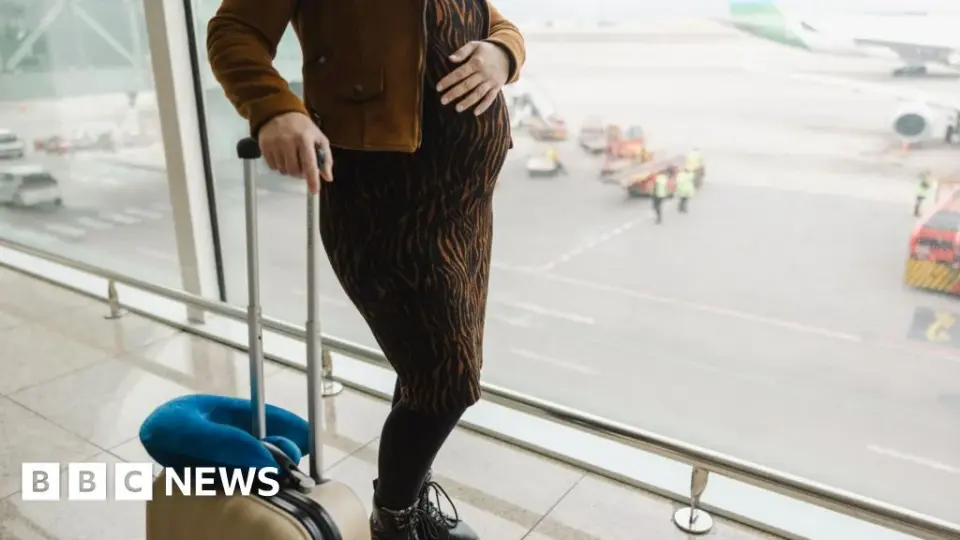
President Trump signed two executive orders on August 6, 2026, to restrict birthright citizenship and combat birth tourism following a Supreme Court ruling that upheld the practice. The orders expand exceptions for children of foreign government employees and terrorist group members, while directing agencies to enforce anti-birth-tourism regulations. Critics argue the moves violate the 14th Amendment, while the administration claims they close loopholes. Data suggests birth tourism accounts for a small fraction of total US births, though estimates vary.
Key points
- Trump signed two executive orders on August 6, 2026, to limit birthright citizenship and target birth tourism after the Supreme Court struck down his previous attempt in June 2026.
- One order expands non-citizen exclusions, denying citizenship to children of parents in foreign terrorist groups, foreign government employees, or those using fraudulent means to gain citizenship.
- The second order directs the State and Homeland Security departments to enhance enforcement against birth tourism, which is already illegal, by targeting deceptive advertising and commercial operators.
- The 14th Amendment guarantees citizenship to nearly all born on US soil, with existing exceptions for diplomats and enemy soldiers; the new orders add categories but do not change the core constitutional principle.
- CDC data shows 9,500 babies born to foreign women in 2024, while the Migration Policy Institute estimates 20,000 to 26,000 births annually from birth tourism, representing 0.5-0.7% of total US births.
Background
In June 2026, the Supreme Court ruled 6-3 that Trump's initial executive order ending birthright citizenship was unlawful, reaffirming the 14th Amendment's protection. Prior to this, a House GOP bill proposed in July 2026 sought to criminalize birth tourism with prison sentences, reflecting ongoing legislative efforts to restrict citizenship access despite judicial setbacks.
How outlets are covering it
BBC and CBS News report on the executive orders' content and the administration's rationale, emphasizing the expansion of exclusions and enforcement against birth tourism. The ACLU, cited by CBS News, condemns the orders as unconstitutional, arguing the Supreme Court already settled the issue. The Migration Policy Institute, cited by BBC, provides data on birth tourism estimates, noting that government figures may undercount due to data limitations. The Guardian's live coverage focuses on unrelated Senate proceedings but highlights the broader political context of Trump's immigration policies. Outlets differ on the impact: the administration views the orders as closing loopholes, while critics see them as an attempt to circumvent the Constitution.
Why it matters
The executive orders test the limits of presidential power over citizenship, potentially leading to new legal challenges. They reflect the administration's ongoing effort to restrict immigration and citizenship access, which could impact foreign nationals and their families. The debate over birth tourism and birthright citizenship remains a key issue in US politics, with implications for constitutional interpretation and international relations.
What to watch
Legal challenges are expected, with the ACLU predicting the orders will fail in court. The administration may face further judicial scrutiny, and Congress could be involved if territorial citizenship changes are pursued. Public opinion and political debates on immigration may intensify, especially with midterms approaching.
- What is birthright citizenship and how prevalent is birth tourism in the US? BBC
- Trump issues new executive orders aimed at birthright citizenship after Supreme Court ruling CBS News
- ACLU blasts Trump’s new orders on birthright citizenship, saying they are doomed to fail in court– as it happened The Guardian
- Trump signs new orders targeting birthright citizenship, weeks after Supreme Court ruling NPR
- Trump's new attack on birthright citizenship faces uphill legal battle Reuters
Want the full story? Read the original reporting
Read on BBC