
Blanche’s Iowa Fair Appearance Marks New Era of DOJ Political Engagement
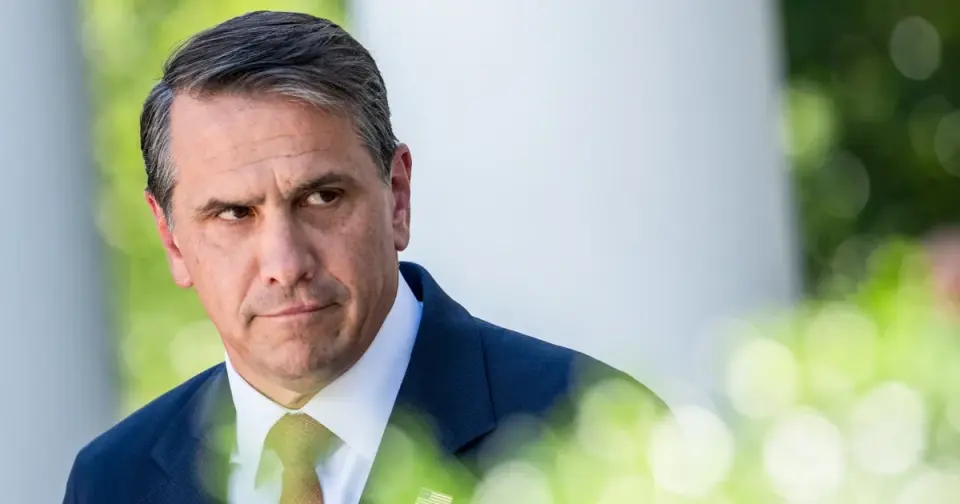
Attorney General Todd Blanche’s recent appearance at the Iowa State Fair has been described by Justice Department veterans as a 'seismic shift' that breaks with traditional norms of DOJ independence. By participating in political events, Blanche is fueling concerns that the department is no longer separate from the White House. This follows his earlier refusal to pledge complete independence from the administration, where he stated he would consider President Trump’s views in prosecution decisions. Critics argue these actions blur the line between law enforcement and political advocacy, while supporters maintain the DOJ remains part of the executive branch.
Key points
- Attorney General Todd Blanche attended the Iowa State Fair, an event typically associated with political campaigning rather than judicial oversight.
- Justice Department veterans characterize this move as a 'seismic shift' that shatters the long-standing norm of DOJ separation from political activities.
- Blanche previously rejected pledging complete independence from the White House, stating he would weigh President Trump’s views when directing federal law enforcement.
- Critics argue that such appearances create the appearance of a lack of independence, potentially undermining public trust in the impartiality of federal prosecutions.
- This development follows Blanche’s confirmation in August 2026, where he declared the 'anti-weaponization' fund dead and backed Jeanine Pirro, signaling a close alignment with the administration.
Background
In August 2026, Todd Blanche was confirmed as Attorney General after refusing to pledge total independence from the White House. He argued that the DOJ is part of the executive branch and that he would consider President Trump’s views in individual prosecutions, though he claimed he would not be a 'puppet' and would say 'no' when necessary. This stance sparked immediate concerns about the politicization of the department, particularly regarding ongoing cases involving figures like James Comey. The current controversy over his political appearances extends these earlier debates about the boundaries between the DOJ and the White House.
Why it matters
The appearance of the Attorney General at a political fair challenges the foundational principle that the Justice Department operates independently of partisan politics. If the DOJ is perceived as an extension of the White House’s political apparatus, it may erode public confidence in the fairness of federal prosecutions and the rule of law. This shift could set a precedent for future administrations, potentially normalizing the involvement of top legal officials in campaign activities.
What to watch
Expect continued scrutiny of Blanche’s activities as the midterm elections approach. Legal scholars and opposition figures may challenge the legality of his political engagements, while the White House may defend his actions as consistent with the executive branch’s role. The DOJ may face increased pressure to demonstrate impartiality in high-profile cases to counter accusations of bias.
Want the full story? Read the original reporting
Read on NBC News