
GOP Old Guard Launches Multiyear Campaign to Revive Free-Market Ideology Amid Internal Economic Shifts
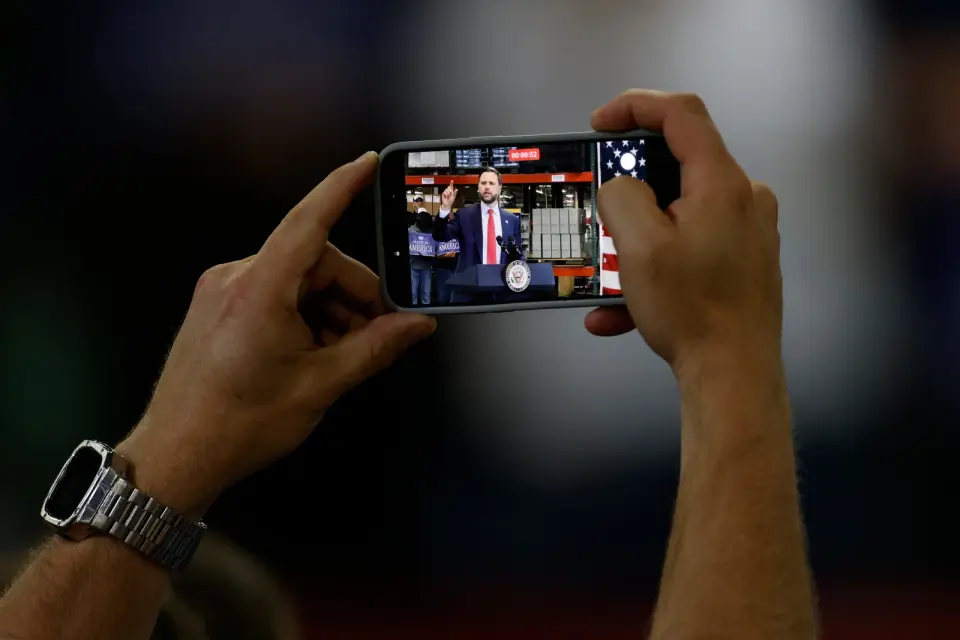
Former Vice President Mike Pence’s nonprofit is launching an eight-figure, multiyear campaign to promote traditional free-market capitalism among Republicans, aiming to counter the rise of interventionist economic policies championed by current administration figures like JD Vance and Marco Rubio. This effort highlights a deepening ideological split within the GOP between traditional Reaganite orthodoxy and a new wave of economic populism that prioritizes government intervention to address cost-of-living concerns. The debate was recently inflamed by a public dispute over the affordability of burritos, which exposed tensions between conservative factions regarding how to engage with young voters struggling financially. While some leaders argue for a return to classical liberalism, others insist that acknowledging systemic failures is necessary to maintain electoral support in the 2028 cycle.
Key points
- Advancing American Freedom, a nonprofit led by Mike Pence, is negotiating an eight-figure, multiyear donation to promote free-market capitalism to Republican officials and candidates starting this fall and continuing through 2028.
- The initiative reflects a strategic effort by the party’s old guard to counter the growing influence of interventionist economic policies, fearing that ad hoc market interventions could become a permanent governing philosophy.
- New Republican leaders are adopting alternative economic vocabularies, such as Josh Hawley’s 'covenant economics' and Marco Rubio’s 'common-good capitalism,' to appeal to voters concerned with dignity and stability rather than gross domestic product.
- A public dispute involving Turning Point USA spokesperson Andrew Kolvet and columnist Marc Thiessen regarding the cost of $20 burritos highlighted tensions between conservative factions, with JD Vance criticizing the premise that young people need lectures on spending habits.
- Conservative adviser Alex Bruesewitz argued that Republicans must acknowledge that the system failed young voters and promise to disrupt it, rather than blaming individual spending habits, to avoid losing them to the left.
Background
The current economic debate within the Republican Party is part of a broader shift in the Overton window regarding interventionism. Former U.S. Trade Representative Jamieson Greer noted that bipartisan support for tariffs and protectionism, which would have been considered extreme in 2014, is now standard policy. This evolution has forced traditional conservatives to reconsider their stance on free-market orthodoxy as popular frustrations with capitalism grow. The recent 'burrito debate' serves as a microcosm of this larger ideological struggle, illustrating the disconnect between older conservative views on personal responsibility and the new generation’s focus on systemic economic barriers.
Why it matters
The outcome of this ideological battle will likely determine the economic direction of the United States in the 2028 election cycle. If the interventionist wing successfully redefines conservative economics, it could lead to a permanent shift away from classical free-market principles. Conversely, the old guard’s campaign to rebrand capitalism may fail to resonate with voters who feel alienated by current economic conditions. The ability of the GOP to unify its economic message will be crucial for maintaining its coalition and competing effectively against Democratic economic populism.
What to watch
The rollout of the Advancing American Freedom campaign is expected to begin this fall, with a focus on educating Republican candidates and officials on the importance of free-market principles. The party will continue to navigate internal divisions as it prepares for the 2028 presidential election, with key figures like JD Vance and Josh Hawley likely to push for a more interventionist agenda. The success of these competing visions will be tested in upcoming midterm elections and primary contests, where the party must decide whether to prioritize traditional orthodoxy or economic populism.
Want the full story? Read the original reporting
Read on Politico