
California Enforces New Fines for Undisclosed Paid Political Influencer Posts
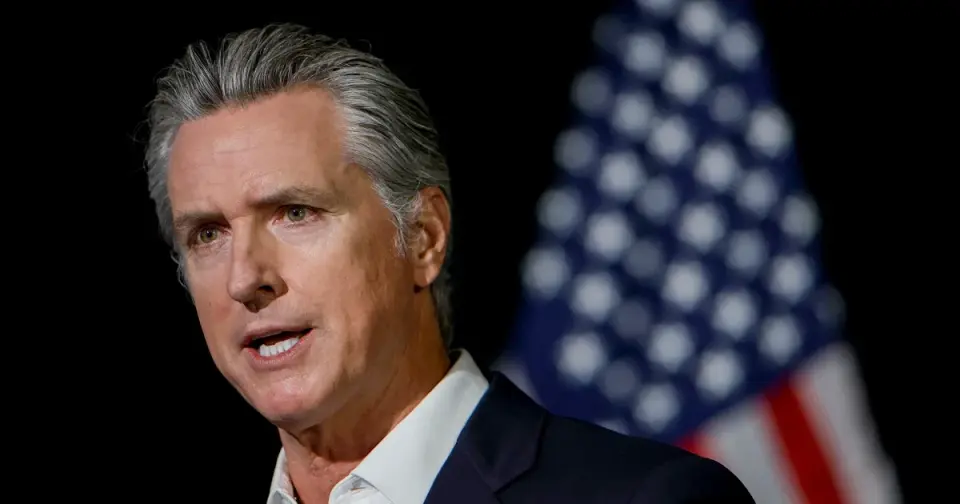
California Governor Gavin Newsom signed AB1130, imposing criminal and civil penalties on social media influencers who fail to disclose paid political endorsements. The law closes a previous enforcement gap, allowing authorities to fine violators up to $5,000 per post or pursue misdemeanor charges. This follows a high-profile dispute involving billionaire candidate Tom Steyer, whose campaign faced scrutiny for undisclosed influencer payments during the gubernatorial primary.
Key points
- Governor Gavin Newsom signed AB1130 on September 20, 2026, adding liability provisions to existing disclosure laws.
- Violations can result in fines of up to $5,000 per post or misdemeanor charges under the Political Reform Act of 1974.
- The legislation was prompted by concerns over the growing use of influencer marketing in political campaigns.
- A recent investigation into Tom Steyer’s gubernatorial campaign found no violations, as the campaign claimed to have promptly corrected missing disclosures.
- The law requires campaigns, not just influencers, to disclose payments for political content.
Background
California had required disclosure of paid political content since 2023, but lacked enforcement mechanisms. This new law is part of a broader election-security package signed by Newsom to protect the November vote from interference. It addresses the lack of federal transparency regulations for social media political advertising.
How outlets are covering it
NBC News and The New York Times emphasize the new penalties and the gap in federal oversight. The Sacramento Bee provides detailed context on the Tom Steyer case, noting that while the campaign faced complaints, the Fair Political Practices Commission closed the matter without action because disclosures were added after the fact. The Bee also highlights that Steyer’s campaign used a mix of high-profile and everyday influencers, some of whom deleted their accounts after the primary.
Why it matters
The law aims to ensure voters can distinguish between organic and paid political content, enhancing transparency in an era where social media is a primary source of news. It sets a precedent for stricter enforcement of campaign finance rules in the digital age.
What to watch
Authorities will now have the power to enforce disclosure rules through administrative, civil, and criminal penalties. The effectiveness of the law will depend on its application in future elections and the ability to monitor and verify compliance across social media platforms.
- California tightens disclosure rules for influencers who post political ads NBC News
- New California law will penalize influencers who don’t disclose political ads Yahoo
- California Cracks Down on Influencers’ Undisclosed Political Ads The New York Times
- Tom Steyer’s campaign avoids fines over paid influencer posts from primary race Sacramento Bee
- California Requires Influencers to Disclose Paid Political Content Online | Ukraine news - #Mezha Межа. Новини України.
Want the full story? Read the original reporting
Read on NBC News