
California GOP Chair Corrin Rankin Steps Down After Historic Midterm Defeat
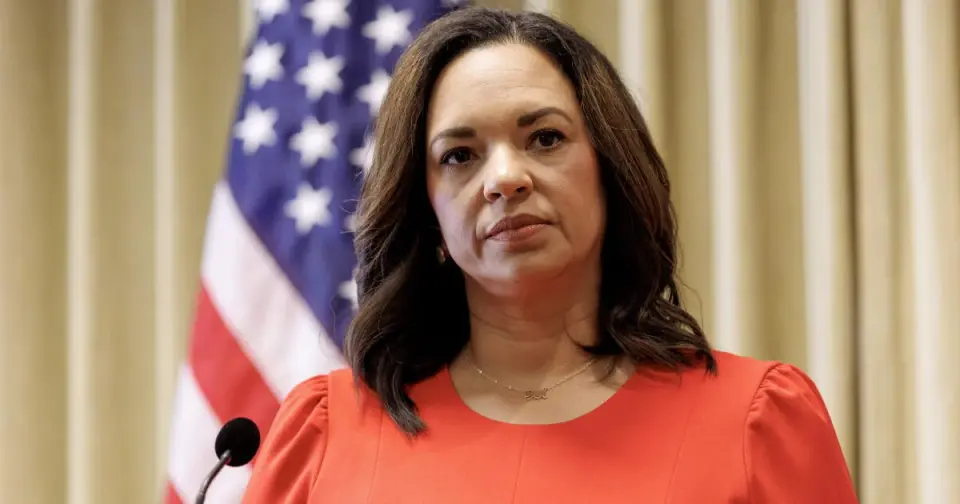
Corrin Rankin, chair of the California Republican Party, announced on Nov. 11, 2026, that she will not seek reelection. The decision follows severe GOP losses in the Nov. 3 midterms, where the party is projected to lose at least half its congressional delegation and up to eight Assembly seats. This would mark the smallest Republican presence in the state legislature since the 1870s, highlighting deep financial and structural struggles for the party in California.
Key points
- Rankin stated the election results necessitate a shift from fragmented efforts to a unified strategy focused on winning.
- The California GOP is projected to lose at least eight of its 20 Assembly seats and up to three of its 10 Senate seats.
- State Republicans raised approximately $3.3 million through Oct. 17, compared to nearly $40.9 million for the Democratic Party.
- Potential successors for the chairmanship include state Sen. Tony Strickland, Rep. James Gallagher, and gubernatorial candidate Steve Hilton.
- Assemblyman Carl DeMaio criticized Rankin’s leadership, arguing the party requires a fundamental restructuring rather than just a new chair.
Background
Rankin was elected chair in March 2025, succeeding leaders who had strong relationships with former party powerhouses. Her tenure coincided with a long-term decline in Republican voter registration and funding in California. The party has not elected a candidate to statewide office in two decades, and registered Democrats currently outnumber Republicans by 20 points. This local collapse mirrors broader national GOP setbacks, including internal leadership challenges at the RNC and divisions among Senate Republicans following the loss of congressional majorities.
How outlets are covering it
The Los Angeles Times emphasizes Rankin’s lack of fundraising connections compared to predecessors and the financial disparity with Democrats. Politico highlights the 'Trump effect,' noting that even traditionally red districts lost Republican candidates due to voter frustration with the federal administration. KCRA focuses on the historic scale of the losses, noting that Democratic gains in the Assembly could break modern records. While the LA Times cites internal competence issues, Politico attributes the failures to external national headwinds, and KCRA frames the event as a potential record for Democratic dominance in the state legislature.
Why it matters
The departure of Rankin signals a potential restructuring of the California Republican Party, which faces its most significant decline in legislative power in over a century. The financial gap between the state GOP and Democratic Party suggests a long-term structural disadvantage. As the party seeks a new leader, the focus may shift from traditional party infrastructure to candidate support, reflecting a desperate attempt to remain relevant in a state where Democratic registration leads by a wide margin.
What to watch
The California Republican Party will hold a new chair election next year. Potential candidates include Tony Strickland, James Gallagher, and Steve Hilton. The party must address its budget and strategic direction, with some members calling for a reduction in overhead costs to maximize resources for candidate support. The final results of the close races, including those involving Assembly Leader Alexandra Macedo and Senate Leader Roger Niello, will determine the exact size of the Republican caucus in the new session.
- After historic losses, California GOP faces a fight over its future Los Angeles Times
- 2026 election results reshape balance of power in California Capitol ABC10
- Republicans’ nightmare scenario Politico
- California GOP Chair Won’t Seek Reelection After Sweeping Losses GV Wire
- California Republicans face potentially historic election losses in the Legislature KCRA
Want the full story? Read the original reporting
Read on Los Angeles Times