
California groups pivot to income tax overhaul after billionaire levy defeat
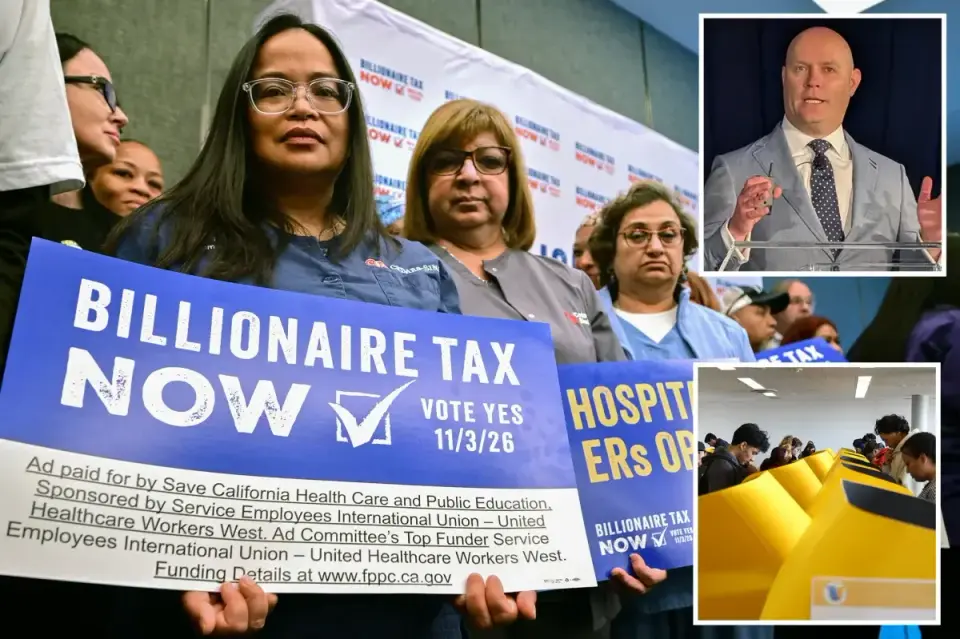
Following the rejection of Proposition 40, California Medical Association CEO Dustin Corcoran is exploring a 2028 ballot initiative to restructure state income taxes. While unions vow to return with wealth tax proposals, Corcoran argues the failed measure was flawed, not unpopular. The 2026 election results show voters support high-income taxes but reject asset-based levies, creating a complex landscape for future revenue generation.
Key points
- Dustin Corcoran is developing a 2028 initiative to overhaul income tax brackets, aiming for a broader coalition than the failed Proposition 40.
- Proposition 40, a one-time 5% tax on billionaires, was rejected by 52.8% of voters, while Proposition 3, a high-income income tax, passed with nearly 59% support.
- Proposition 42 passed, banning future taxes on personal property and investments, which may require legal reversals for any future wealth tax efforts.
- Service Employees International Union-United Healthcare Workers West president Dave Regan vows to return with a new wealth tax proposal if legislative revenue solutions fail.
- The state faces structural budget deficits, with spending outpacing revenue despite near-record income, prompting diverse groups to seek new funding sources.
Background
In November 2026, California voters rejected Proposition 40, a proposed one-time 5% tax on billionaires intended to raise approximately $100 billion for healthcare. Simultaneously, they approved Proposition 42, which bans future taxes on personal assets, and Proposition 3, which made a high-income income tax permanent. Prior coverage highlighted that the threat of Proposition 40 may have already triggered capital flight, while the opposition campaign raised over $378 million, largely from Silicon Valley executives. The state has faced four consecutive deficit years, with the Legislative Analyst’s Office noting that the budget is structurally overextended despite booming revenues.
How outlets are covering it
California Post emphasizes the strategic pivot by Corcoran toward income tax restructuring to build a wider alliance, contrasting this with the union-backed wealth tax approach. CalMatters highlights the mixed voter signals, noting that while Californians rejected asset-based taxes, they approved high-income income taxes and local service taxes, suggesting a preference for tangible service funding over broad asset levies. CalMatters also points out that Proposition 40’s defeat may have split the progressive coalition, whereas California Post focuses on the internal disagreements between Corcoran and union leaders regarding the coalition’s breadth. Both sources agree that the defeat of Proposition 40 does not signal a complete rejection of taxing the wealthy, but rather a rejection of the specific mechanism and coalition used in 2026.
Why it matters
The outcome of the 2026 tax measures will shape California’s fiscal strategy for the next decade. The passage of Proposition 42 creates a legal barrier for future wealth taxes, potentially forcing advocates to focus on income taxes or seek federal solutions. The state’s structural deficits and the need to fund healthcare, education, and infrastructure mean that the debate over how to generate revenue will continue, with competing proposals likely emerging in 2028. The split in the progressive coalition over tax strategy could impact the state’s ability to address budget shortfalls and maintain public services.
What to watch
Corcoran is currently researching potential partners in healthcare, education, and labor to build a coalition for a 2028 initiative. No specific rates or revenue estimates have been proposed yet. Union leaders are monitoring legislative efforts to find new revenue and have vowed to return with a wealth tax proposal if necessary. The state legislature and the new governor’s administration will need to address the structural budget deficits, potentially through new tax proposals or spending cuts. The legal implications of Proposition 42 may require future initiatives to include language reversing the ban on asset taxes if a wealth tax is pursued again.
- New CA wealth tax tactic emerges after billionaire tax went down in flames New York Post
- California billionaires outsmarted progressives with Prop. 42 passage SFGATE
- Tax the rich — sometimes. California voters sent mixed signals on ballot measures CalMatters
- California Prop 42: Prohibiting new state property taxes passes, according to AP ABC10
- Opinion | The Vote Against the Wealth Tax Was a Verdict on Inflation WSJ
Want the full story? Read the original reporting
Read on New York Post