
California Sets 2027 Minimum Wage at $17.40, Framing It as a Rebuttal to Federal Stagnation
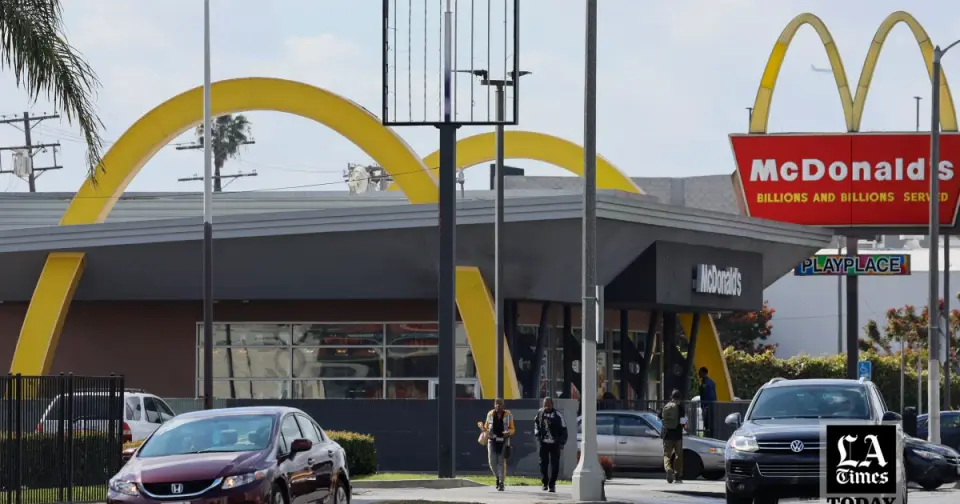
California’s statewide minimum wage will rise to $17.40 per hour on January 1, 2027, making it the highest in the nation. Governor Gavin Newsom framed the increase as a pro-worker measure contrasting with the federal $7.25 rate, while critics warn it may burden small businesses.
Key points
- The new rate of $17.40 per hour takes effect January 1, 2027, up from the current $16.90.
- The increase is an automatic adjustment tied to the federal consumer price index, capped at 3.5%.
- Newsom highlighted the hike during a period of high living costs and criticized the federal government for not raising the minimum wage since 2009.
- Specific sectors already pay more: fast-food chains with over 60 locations pay $20 per hour, and large healthcare facilities pay up to $25 per hour.
- Republican gubernatorial candidate Steve Hilton opposed the increase, arguing it will crush small businesses.
Background
California established an automatic annual minimum wage adjustment system in 2016, which began adjusting for inflation in 2024. The state has consistently maintained the highest minimum wage among the 50 states, though Washington, D.C., currently ranks higher at $18.40. Recent policy shifts in other jurisdictions, such as Oregon’s July 1 regional wage increases, reflect a broader trend of states decoupling from the federal baseline.
How outlets are covering it
Governor Newsom and the Los Angeles Times framed the increase as a necessary response to inflation and a moral stance against federal inaction, emphasizing that California’s economy remains strong despite national cost pressures. The Guardian highlighted the political contrast between California’s progressive wage policies and the federal status quo, noting that 30 other states also exceed the federal minimum. Conversely, Republican candidate Steve Hilton characterized the hike as an attack on workers and small businesses. Researchers remain divided on the economic impact, with some citing potential job losses, while others point to the fact that a family of two adults in California requires an hourly wage of $36.38 to cover basic necessities, suggesting the $17.40 rate remains insufficient for full cost-of-living coverage.
Why it matters
The increase sets a new national benchmark for state-level labor standards and intensifies the political debate over the federal minimum wage. It directly impacts millions of workers and small businesses in California, potentially influencing consumer prices and employment levels. The policy also serves as a key talking point in the 2026 midterm elections and Newsom’s potential 2028 presidential campaign, highlighting the growing divergence between state and federal economic policies.
What to watch
The new rate will take effect on January 1, 2027. The state director of finance must calculate and announce the adjusted wage by August 1 each year. The political battle over the federal minimum wage is expected to continue, with Republicans maintaining opposition to increases. The economic impact on small businesses and consumer prices will be monitored in the coming months.
- Newsom boasts of California’s upcoming minimum wage increase, criticizes Trump for ignoring workers Los Angeles Times
- California to raise statewide minimum wage in 2027 cbs8.com
- California announces minimum wage increase as governor taunts Trump theguardian.com
- California minimum wage to increase to $17.40 an hour in 2027, Newsom announces fox5sandiego.com
- California minimum wage will rise again in 2027. Here’s the new rate KTLA
Want the full story? Read the original reporting
Read on Los Angeles Times