Washington hikes gas tax to 56.5 cents per gallon with July 1 bump
Starting July 1, Washington state’s gas tax increases 2% to 56.5 cents per gallon to fund road work through the motor vehicle fund.
All articles tagged with #inflation adjustment

Starting July 1, Washington state’s gas tax increases 2% to 56.5 cents per gallon to fund road work through the motor vehicle fund.

The USCIS will raise premium processing fees starting March 1, 2026, to account for inflation, with the additional revenue used to improve adjudication services and address backlogs, as part of a DHS rule adjustment based on the USCIS Stabilization Act.

The IRS announced that the standard mileage rate for business use of vehicles will increase to 72.5 cents per mile in 2026, reflecting updated costs and inflation, while rates for medical and moving purposes remain unchanged or slightly reduced.

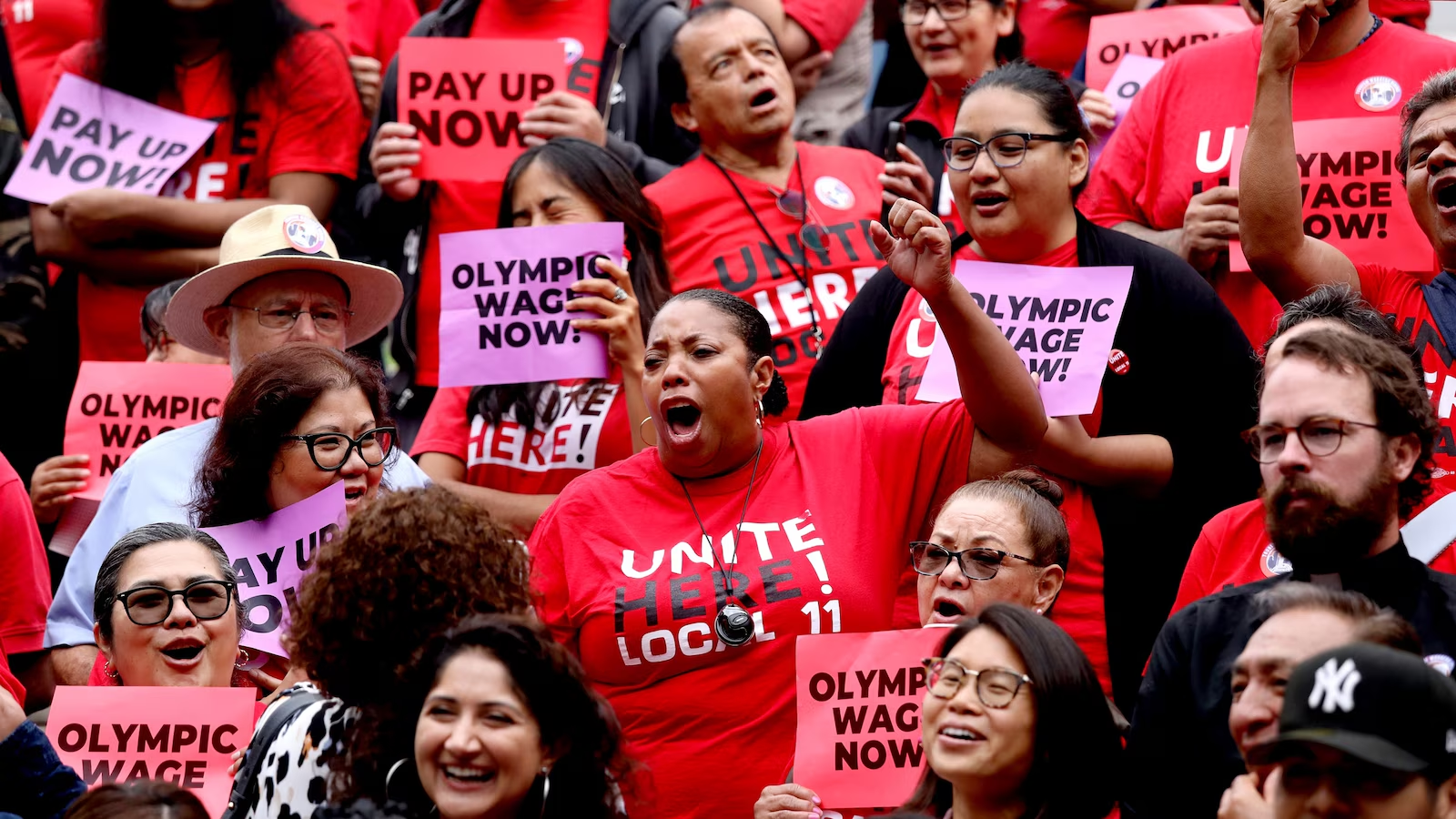
Nearly 20 U.S. states will raise their minimum wage in 2026, affecting about 8.3 million workers and increasing their earnings by $5 billion, with Washington and New York offering the highest wages. The changes reflect inflation adjustments and scheduled hikes, but many southern states will see no change due to lack of minimum wage laws. The federal minimum wage remains at $7.25 since 2009, losing over 30% of its value to inflation.

Michigan's minimum wage will increase to $13.73 an hour starting Jan. 1, 2026, with further increases planned through 2027 and beyond, as part of the Improved Workforce Opportunity Wage Act, which also adjusts wages for tipped workers and minors, and ties future increases to inflation.

The 2026 Social Security COLA is set at 2.8%, increasing average benefits by about $56 for retirees, with the highest dollar boosts in 10 states due to differences in median benefits and earnings, despite uniform percentage increases across all states.

The 2026 Social Security cost-of-living adjustment (COLA) is set at 2.8%, increasing average benefits by about $56, with the highest dollar boosts in 10 states like New Jersey and Connecticut, due to higher median earnings, despite the uniform percentage increase across all states.
The VA COLA increase for 2026 is estimated at 2.8%, delayed due to the government shutdown, with payments starting from January 1, 2026, to help veterans maintain their living standards amid rising inflation.

The 2026 Social Security cost-of-living adjustment (COLA) will be 2.8%, increasing benefits by about $56 monthly on average, but some retirees may see less due to higher Medicare Part B premiums, which are projected to rise to $206.50 in 2026.

The COLA increase for 2026 is set at 2.7%, starting in January, providing a moderate boost to Social Security and SSI benefits to help recipients cope with inflation, with payments scheduled throughout the year and specific adjustments for those receiving both benefits. The increase also affects tax and income thresholds, ensuring financial stability for beneficiaries.

The US government announced a projected 2.7% to 2.8% increase in Social Security and SSI benefits for 2026, starting January, to help beneficiaries cope with inflation, with additional one-time payments of $2,000 in October 2025. However, rising Medicare premiums and other factors may offset the benefit increase.

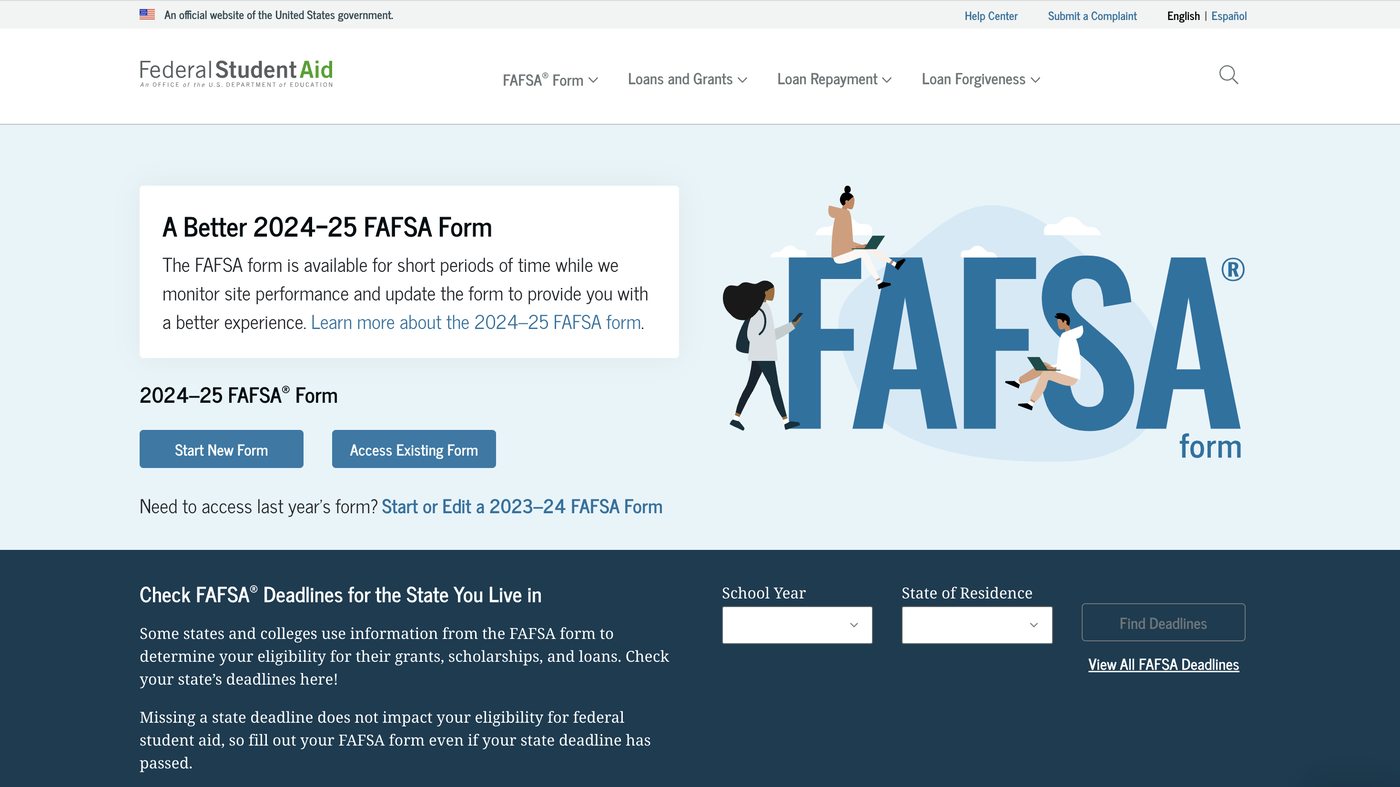
The Education Department plans to fix an error in the FAFSA form that failed to adjust financial aid tables for inflation, potentially limiting students' financial aid. The fix will occur for incoming 2024-25 students, but its timing is uncertain and could lead to delays in financial aid offers. The department estimates that the fix will provide an additional $1.8 billion in federal student aid, but experts warn of potential delays and compressed decision-making timelines for students.

The rollout of the new FAFSA has been problematic, with the form only intermittently available since its Dec. 30 launch. A significant mistake in the form, related to failing to adjust for inflation, could reduce federal financial aid for many students unless remedied. The U.S. Department of Education is considering whether to fix this issue, which could further delay aid offers. The potential remedies come with complications, as making the inflation adjustment would pose significant challenges for the department and potentially delay aid offers from schools to families.

The IRS is expected to announce new tax brackets for 2024 in the coming days or weeks, with a projected increase of about 5.4% due to inflation. Higher thresholds can help prevent "bracket creep" and potentially lower taxpayers' overall tax liability. Additionally, the standard deduction is set to increase for single taxpayers, married couples filing jointly, and heads of households, which could result in lower taxes for some individuals.