
California State Workers Launch Historic Strike Against Newsom Administration
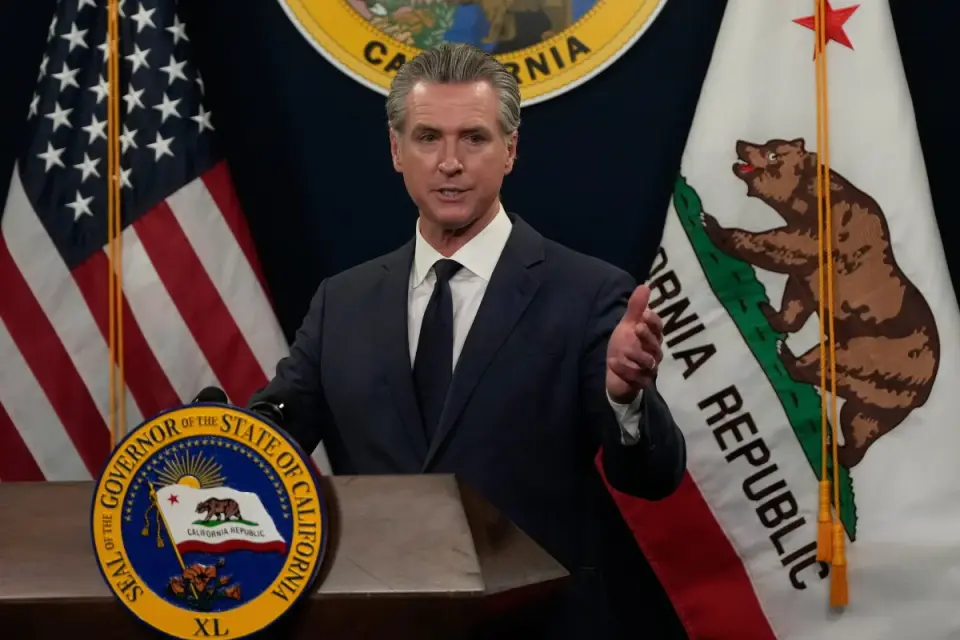
SEIU Local 1000 initiated its first-ever statewide strike on October 21, 2026, demanding a 20% raise, lower healthcare costs, and flexible telework. The action follows a contract impasse since June 30 and a failed strike authorization vote in September. Approximately 100,000 state employees participated, with essential workers exempted. The dispute highlights tensions between the union and Governor Gavin Newsom’s administration over wage stagnation and return-to-office mandates.
Key points
- SEIU Local 1000 executed a one-day strike on October 21, 2026, marking the first statewide walkout in the union's history.
- The union represents approximately 100,000 state employees across 140 agencies, including nurses, teachers, and custodians.
- Key demands include a 20% salary increase over three years, reduced healthcare costs, and flexible telework policies.
- The contract expired on June 30, 2026, leading to an impasse and a bad-faith bargaining complaint filed with the Public Employment Relations Board.
- Essential workers, estimated at 5,000, were required to report to work, as determined by the labor board.
- Governor Gavin Newsom’s administration has maintained a four-day-a-week return-to-office mandate since July 2026, vetoing a bill that would have allowed agency-specific telework policies.
Background
This strike follows a series of labor tensions in California. In September 2026, SEIU Local 1000 held a strike authorization vote, which was successful. Prior to this, the union had contributed significantly to Newsom’s 2018 campaign and 2021 recall defense, but relations deteriorated as the administration imposed wage cuts and limited raises to 3% during financially stable periods. The current dispute is part of a broader pattern of budget balancing on public employees, dating back to the Great Recession era under previous governors. The 2025 state audit highlighted potential savings of $225 million through remote work, a point emphasized by union negotiators.
How outlets are covering it
AP News and KCRA reported the strike as a historic one-day walkout, emphasizing the scale of participation and the union’s demands for pay and healthcare improvements. The Guardian highlighted the impasse since June 30 and the union’s complaint of bad-faith bargaining, noting that the state rejected key proposals and cited confidentiality in negotiations. CalMatters provided deeper context, framing the strike as a result of Newsom’s stingy wage policies and return-to-office mandates, contrasting with the union’s previous support for the governor. CalMatters also noted the union’s frustration with repeated pay cuts and limited raises, despite the state’s increased overall spending. The perspectives differ in emphasis: AP and KCRA focused on the event itself, The Guardian on the legal and negotiation aspects, and CalMatters on the broader political and historical context of labor relations in California.
Why it matters
The strike underscores the growing tension between California’s public sector unions and the state government, particularly under Governor Gavin Newsom’s administration. It highlights the impact of budget decisions on public employees, who have faced wage cuts and limited raises despite increased state spending. The dispute over telework policies reflects broader national debates on remote work and workplace flexibility. The strike’s success could set a precedent for future labor negotiations in California and other states, potentially influencing policy on public sector wages and benefits. It also raises questions about the balance between fiscal responsibility and worker compensation in a state with a large public sector workforce.
What to watch
The strike is expected to continue for one day, with rallies planned in downtown Sacramento. The union will likely continue negotiations with the state, potentially leading to further actions if demands are not met. The state’s response to the strike and the outcome of negotiations will be closely watched, as they could influence future labor policies and public sector wages in California. The union may also pursue legal avenues if the state is found to have engaged in bad-faith bargaining. The strike’s impact on public services and the state’s budget will be assessed in the coming days.
- California state workers launching 1-day strike over return-to-office mandate, pay and healthcare AP News
- California state workers stage one-day strike over contract disputes KCRA
- Thousands of California public employees set to strike over contract The Guardian
- Why are California state workers so mad at Gavin Newsom? Spoiler alert: Pay cuts CalMatters
- With no deal, SEIU Local 1000 state workers join one-day strike. What to know Sacramento Bee
Want the full story? Read the original reporting
Read on AP News