
Colorado voters approve Amendment 87, replacing flat tax with graduated rates to raise $2 billion
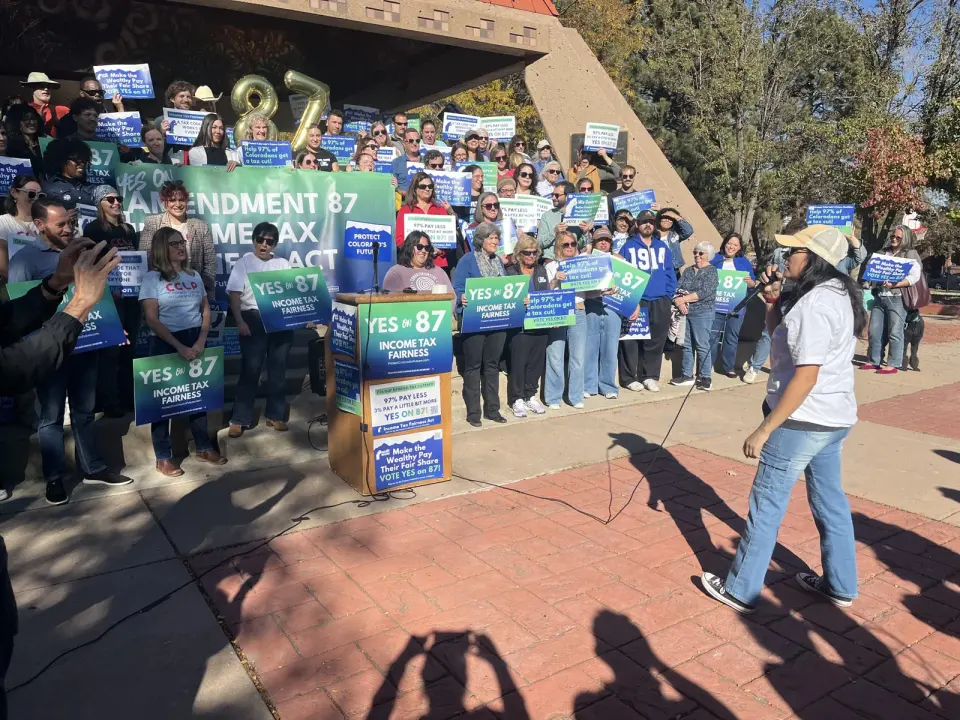
Colorado voters approved Amendment 87, ending the state’s flat income tax in favor of a graduated system that raises rates for high earners and lowers them for most residents. The measure, which passed with 51.4% of the vote, is projected to generate $2 billion annually for healthcare, education, and childcare. This shift reverses decades of low-tax policy and addresses significant budget deficits, though it faced strong opposition from business groups and some Democrats who warned of economic harm.
Key points
- Amendment 87 passed with 51.4% support, repealing the constitutional requirement for a flat 4.4% income tax.
- The new system introduces six brackets, lowering taxes for incomes under $100,000 and raising them for those over $500,000.
- Projected revenue of $2 billion annually will fund healthcare, K-12 education, and childcare, potentially reversing budget cuts.
- Opponents, including the Colorado Chamber of Commerce, argued the measure would hurt businesses and drive up consumer prices.
- Conservative groups spent over $10 million to oppose the measure, while supporters raised approximately $2.7 million.
Background
Colorado had maintained a flat income tax rate since 1986, a policy reinforced by the Taxpayer’s Bill of Rights (TABOR). Recent budget deficits, exacerbated by federal cuts to Medicaid, prompted progressive groups to seek a graduated tax structure. This follows similar high-earner tax debates in other states, such as Washington’s 2025 vote on a 9.9% tax for millionaires.
How outlets are covering it
Supporters, including the Bell Policy Center and Colorado Fiscal Institute, framed the vote as a historic shift toward fairness, arguing that the wealthy should contribute more to public services. They emphasized that taxes would decrease for the majority of residents. Conversely, opponents like the Colorado Chamber of Commerce and Governor Jared Polis warned that the measure would harm business competitiveness and lead to job losses. Polis specifically criticized the impact on small and medium-sized businesses, while Attorney General Phil Weiser opposed the measure for lacking clarity on spending. Conservative groups also spread misinformation claiming the tax would affect Social Security benefits, which was factually incorrect.
Why it matters
The passage of Amendment 87 fundamentally alters Colorado’s fiscal landscape, providing a new revenue stream to address long-standing budget shortfalls. It signals a potential shift in state politics away from strict low-tax ideologies toward expanded public services. The measure also sets a precedent for using graduated taxes to fund social programs, influencing future legislative debates on healthcare and education funding.
What to watch
The state legislature’s Joint Budget Committee will reconvene to draft a spending plan that avoids the $1.6 billion in cuts previously feared. The Department of Revenue will update tax forms and withholding guidelines for the 2027 tax year. Lawmakers may begin restoring services cut due to budget deficits, including Medicaid and childcare programs, in the upcoming session.
- Colorado voters approve Amendment 87, imposing higher income taxes on top earners The Colorado Sun
- Amendment 87 to hit Bronco players harder than most 9NEWS
- Amendment 87 supporters declare victory on Colorado’s graduated income tax measure despite no clear winner Denver7
- Amendment 87 supporters declare victory for major rewrite of Colorado’s tax code, affecting all taxpayers The Denver Post
- Group behind Colorado graduated income tax ballot measure claims victory Colorado Public Radio
Want the full story? Read the original reporting
Read on The Colorado Sun