
Supreme Court permits White House ballroom build, with Roberts dissenting on legality
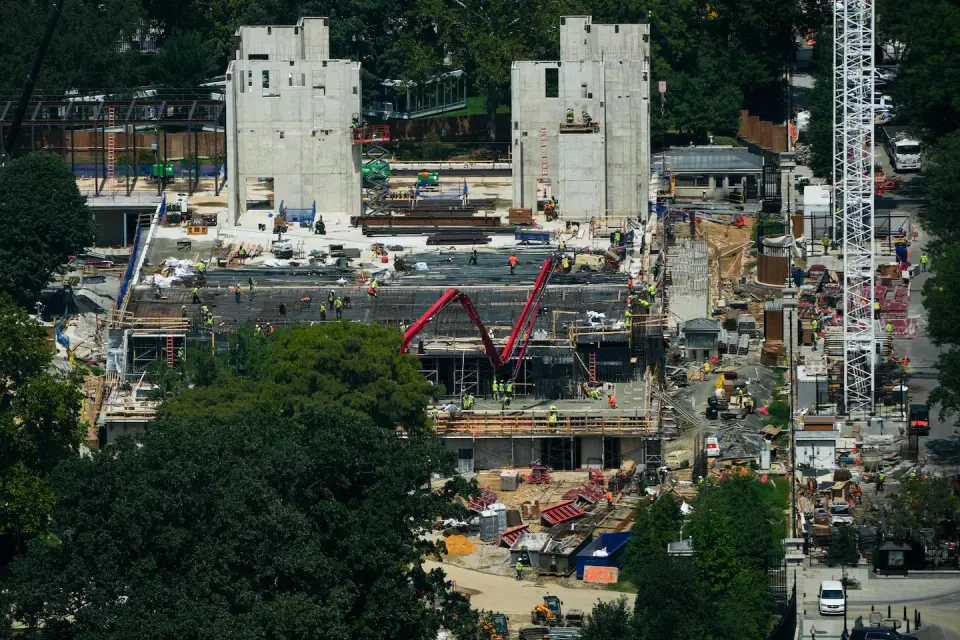
The Supreme Court issued a 5-4 ruling allowing construction of the White House ballroom to continue, citing a lack of legal standing for the National Trust for Historic Preservation. Chief Justice John Roberts dissented, stating the project is 'likely unlawful.' The decision permits the largest expansion to the executive mansion in decades to proceed without a final ruling on its legality.
Key points
- The Supreme Court ruled 5-4 that the National Trust for Historic Preservation lacked standing to sue, allowing the White House ballroom construction to continue.
- Chief Justice John Roberts dissented, arguing the project is 'likely unlawful' and that the court twisted precedent by dismissing aesthetic harm claims.
- The project, described as the largest expansion to the White House in decades, is approximately 65% complete and includes underground security facilities.
- The ruling does not resolve whether the president had congressional authority to build the project, but it allows construction to finish before that question is definitively answered.
- President Trump expressed satisfaction with the ruling, while the National Trust for Historic Preservation expressed disappointment but welcomed Roberts' dissent.
Background
The White House ballroom project has been a contentious issue since the administration began construction in late 2025. The project, which includes a ballroom and underground security facilities, has faced legal challenges from preservation groups and Democrats who argue the administration bypassed Congress by seeking private donations instead of authorization. The Supreme Court had previously granted a temporary stay in August 2026, allowing construction to continue while it weighed the case. The project is estimated to cost between $400 million and $600 million, with funding sources including private donations and redirected taxpayer funds.
How outlets are covering it
The Washington Post emphasizes the political victory for President Trump and the largest expansion to the White House in decades. The New York Times, in its live updates, focuses on the broader context of the G20 summit and the U.S.-Iran conflict, with less detail on the ballroom ruling. Politico highlights the dissent from Chief Justice John Roberts and the legal arguments over standing, noting that the project is 'likely unlawful.' The sources agree on the 5-4 ruling and the lack of standing for the National Trust, but differ in their emphasis on the political implications and the legal arguments.
Why it matters
The Supreme Court's ruling allows the White House ballroom project to proceed without a final ruling on its legality, setting a precedent for the president's authority to make major changes to the executive mansion. The decision also highlights the tension between the conservative and liberal wings of the court on issues of standing and aesthetic harm. The project's completion before a definitive ruling on its legality raises questions about the role of Congress in approving major construction projects in Washington, D.C.
What to watch
The White House ballroom construction is expected to continue, with the project likely to be completed before a definitive ruling on its legality. The National Trust for Historic Preservation may continue to challenge the project in other legal forums. The Supreme Court may revisit the question of the president's authority to make major changes to the White House in future cases. The project's completion may also raise questions about the role of Congress in approving major construction projects in Washington, D.C.
- Supreme Court clears way for White House ballroom construction to continue The Washington Post
- Trump Live Updates: White House Ballroom Construction Can Continue, Supreme Court Rules The New York Times
- Opinion | Trump’s narrow ballroom win The Washington Post
- Supreme Court allows Trump to continue building White House ballroom cnn.com
- Supreme Court OKs Trump’s ballroom construction, but Roberts says project is ‘likely unlawful’ Politico
Want the full story? Read the original reporting
Read on The Washington Post