
CENTCOM claims Hormuz control as Iran sinks container ship amid record attacks
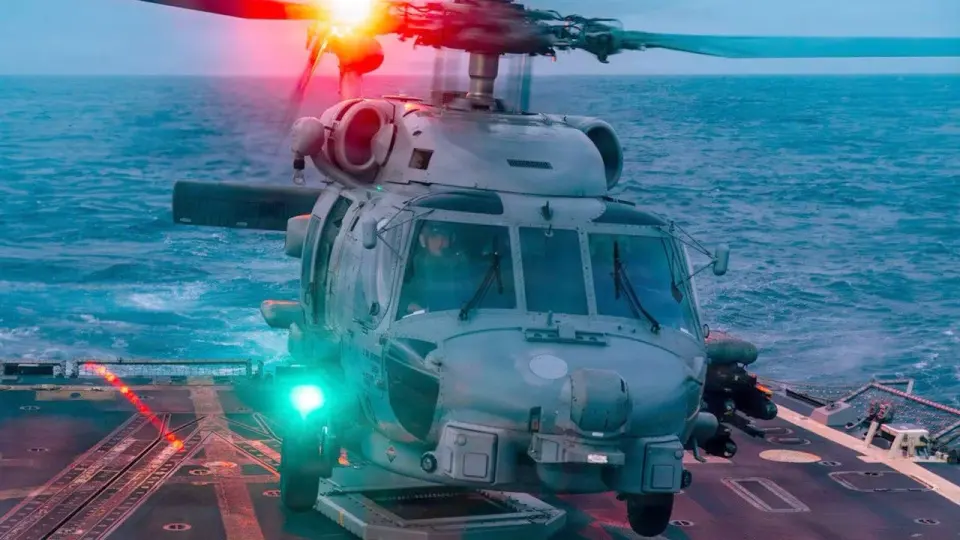
U.S. Central Command asserts it controls the Strait of Hormuz, claiming 97% of ships transit safely despite Iranian attacks. However, the Singapore-flagged GFS Pride sank after being struck, and maritime experts note traffic remains at 22% of pre-war levels. Iran’s IRGC chief threatens to sink U.S. warships, while oil prices spike due to the ongoing conflict.
Key points
- CENTCOM spokesperson Capt. Tim Hawkins stated that 97% of ships transiting the Strait of Hormuz do so without being hit by Iranian projectiles.
- The Singapore-flagged container ship GFS Pride was struck by a projectile on October 13 and sank on October 14; all 21 crew members were evacuated safely.
- CENTCOM Commander Adm. Brad Cooper noted that over 400 merchant ships sailed through the strait in the last seven days, and U.S. forces helped ship over 100 million barrels of crude oil in that period.
- The Joint Maritime Information Center (JMIC) maintains a 'SEVERE' threat assessment, reporting 149 confirmed vessel incidents since March 1 and noting that daily transits average only 30 ships, compared to 138 pre-war.
- Iran’s IRGC chief Ali Ozmaei stated that Iran is 'impatient to sink American warships' and rejected CENTCOM’s claim of control, asserting that the strait is not open.
- U.S. Secretary of State Marco Rubio previously claimed Iran lost complete control of the strait and that its economy is in collapse due to sanctions.
Background
The conflict began in February 2026, with U.S. strikes on Iranian oil tankers in September following IRGC missile attacks on Navy ships. A naval blockade on Iranian ports began on July 14, 2026. Recent weeks have seen a surge in attacks, with 12 vessels targeted in the week ending October 16, pushing Brent crude to $110 per barrel.
How outlets are covering it
CENTCOM and U.S. officials, including Secretary of State Marco Rubio, emphasize that the strait is open and under U.S. control, citing high transit percentages and oil flow volumes. In contrast, the Joint Maritime Information Center (JMIC) and commercial shipping data highlight that traffic is only 22% of pre-war levels and that attacks remain frequent and severe. Iran’s IRGC disputes U.S. claims, asserting control through naval mines and projectiles, and threatening U.S. warships. CNBC notes that while U.S. forces facilitate movement, commercial operators face significant risks and reduced traffic.
Why it matters
The Strait of Hormuz is a critical global energy chokepoint. Continued attacks and reduced traffic are driving up oil prices, contributing to U.S. inflation, which rose to 3.7% in September. The dispute over control affects global energy security and could escalate into direct military conflict between the U.S. and Iran.
What to watch
Iran’s IRGC chief has threatened to attack U.S. warships, while CENTCOM maintains its blockade and escort operations. The U.S. is expected to continue supporting Gulf partners in defending airspace and shipping lanes. Diplomatic talks aimed at reopening the strait may continue, but commercial shipping volumes are unlikely to return to pre-war levels without a significant reduction in attacks.
- 'Vast majority' of Iran's attempted attacks on Strait of Hormuz are unsuccessful, CENTCOM spokesman says Fox News
- U.S. Claims Control of Hormuz as Ship Attacks Hit New High gCaptain
- Trump says US navy carrying out 'effective' blockade of Iran Middle East Eye
- CNBC Daily Open: Who controls the Strait of Hormuz? CNBC
- Rubio says Iran has lost complete control of Strait of Hormuz — The Hindu UA.NEWS
Want the full story? Read the original reporting
Read on Fox News