
Supreme Court splits 5-4 to let Trump’s White House ballroom construction continue
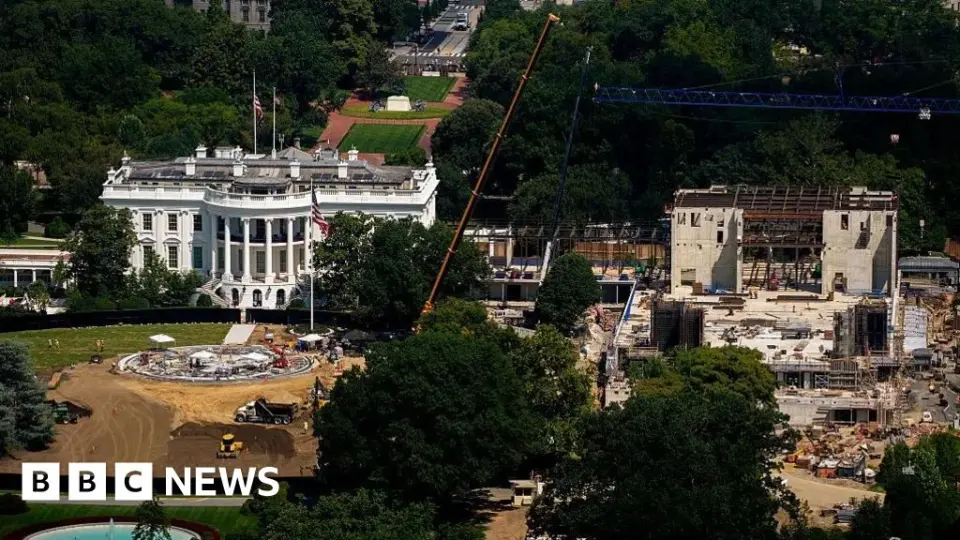
The US Supreme Court ruled 5-4 that construction of a $400 million White House ballroom can proceed, blocking lower court injunctions. The majority ruled the National Trust for Historic Preservation lacked standing, while Chief Justice John Roberts dissented, calling the project likely unlawful.
Key points
- The Supreme Court granted the Trump administration's emergency request to continue above-ground construction of the 90,000-square-foot ballroom, which is 65% complete.
- The court ruled that the National Trust for Historic Preservation likely lacks Article III standing to challenge the project, without deciding if the construction is legally authorized.
- Chief Justice John Roberts dissented, joining the three liberal justices to argue that the construction is likely unlawful because Congress has not approved the project.
- The project, which includes a new helipad and underground security components, is expected to be substantially finished by November 2026 and fully completed by August 2028.
- Trump claimed the project is funded by private donors and corporations, though independent analysts estimate the total cost could be significantly higher, with some taxpayer funds redirected.
Background
The White House East Wing was demolished in late 2025 to make way for the ballroom. Earlier coverage noted that the project’s total cost is estimated at $600 million, with about $352 million redirected from other funds, and that a hidden nuclear-primed bunker was built beneath the White House, which some argued undercut Trump’s security justification for the ballroom.
How outlets are covering it
BBC and ABC News reported the 5-4 ruling as a victory for Trump, noting that the majority found the preservation group lacked standing. ABC News highlighted that Roberts called the decision 'no victory for the separation of powers.' The Washington Post editorial board argued that the ruling on standing keeps the door open for future legal challenges, noting that the court did not rule on the project's legality. All sources agreed that the National Trust for Historic Preservation expressed disappointment but welcomed the strong dissent from Roberts.
Why it matters
The ruling sets a precedent for executive authority over federal property and historic preservation, potentially allowing future presidents to undertake major construction projects without congressional approval. It also highlights the Supreme Court's role in balancing separation of powers and the limits of judicial review in cases involving executive actions.
What to watch
The National Trust for Historic Preservation plans to continue pursuing the case and seeks swift Supreme Court review. Construction is expected to continue, with the project to be substantially finished by November 2026 and fully completed by August 2028. The legal battle over the project's legality may continue in lower courts or through further appeals.
- Supreme Court clears way for Trump to keep building White House ballroom BBC
- Supreme Court Allows Trump’s White House Ballroom Construction The New York Times
- Chief justice dissents on ballroom construction: ‘No victory for separation of powers’ The Hill
- SCOTUS greenlights White House ballroom construction, despite chief justice's dissent ABC News - Breaking News, Latest News and Videos
- Opinion | Trump’s narrow ballroom win The Washington Post
Want the full story? Read the original reporting
Read on BBC