
Crystalyne Curley elected first woman to lead Navajo Nation
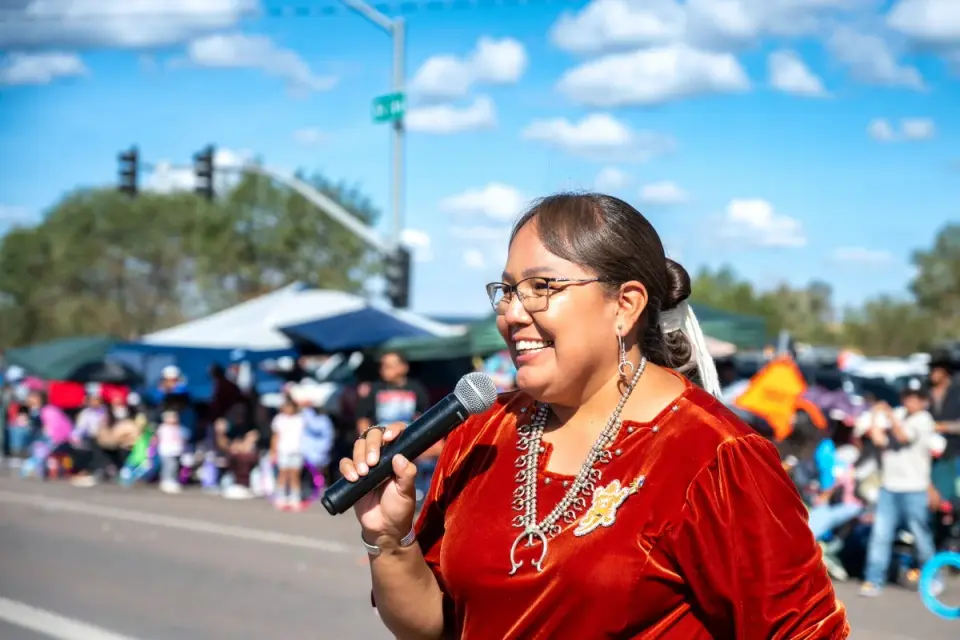
Crystalyne Curley has been elected as the first woman to serve as president of the Navajo Nation, a historic victory that coincides with other breakthroughs for Native women in U.S. politics. She narrowly defeated attorney Justin Jones in unofficial results, following a campaign where she faced sexist rhetoric. Curley, who previously served as the first female speaker of the tribal council, plans to transition the tribe away from coal development and strengthen its role in federal Indian policy discussions. Her election is part of a broader wave of milestones, including the first Native American woman elected to the U.S. Senate and the first Native female governor of a U.S. state.
Key points
- Crystalyne Curley won the Navajo Nation presidential election, becoming the first woman to hold the position in the tribe’s modern centralized government history.
- The Navajo Nation spans 27,000 square miles across Arizona, New Mexico, and Utah, making it the largest land base of any federally recognized tribe.
- Curley plans to move the tribe away from coal development, a major historical economic engine, and reassert its influence in national federal Indian policy debates.
- Her victory is part of a broader trend of Native women breaking barriers, including Peggy Flanagan’s election to the U.S. Senate and Deb Haaland’s win as New Mexico’s first Native female governor.
- Curley faced sexist rhetoric during her campaign and expects to be held to a higher standard as the first woman president, noting that women must work significantly harder in Navajo politics.
Background
The Navajo Nation has been led by men since its modern centralized government was established over a century ago under federal pressure. While some traditional teachings are cited by opponents as prohibiting women from top government positions, others argue that the matrilineal structure of Diné society supports women’s leadership. Recent extreme weather events, including the destruction of cultural landmarks like the 'Alien Throne' rock spire and severe flooding in the San Juan River region, have highlighted the vulnerability of the region and the need for strong governance. The tribe has also faced significant economic and environmental challenges, including the long-term impacts of coal development and recent disaster relief efforts.
Why it matters
Curley’s election marks a significant shift in the political landscape of the largest Native American tribe in the United States. It reflects a growing trend of Native women achieving formal political power, which has historically been limited despite their central roles in families and communities. Her planned policies, particularly the transition away from coal, could have substantial economic and environmental implications for the Navajo Nation and broader federal Indian policy. The victory also underscores the ongoing struggle against sexist rhetoric and the need for women to work harder to achieve leadership positions in tribal politics.
What to watch
Curley and her running mate, Chris Deschene, are scheduled to take office in January. They will focus on transitioning the Navajo Nation away from coal development and reasserting its role in national discussions on federal Indian policy. The broader trend of Native women breaking barriers in U.S. politics may continue, with potential additional milestones in Congress and state governments. The Navajo Nation will also need to address the long-term impacts of recent extreme weather events and the economic challenges associated with the shift away from coal.
Want the full story? Read the original reporting
Read on AP News