
Michigan 7th District Primary Descends Into Chaos as Slotkin Endorsement Fractures Democratic Base
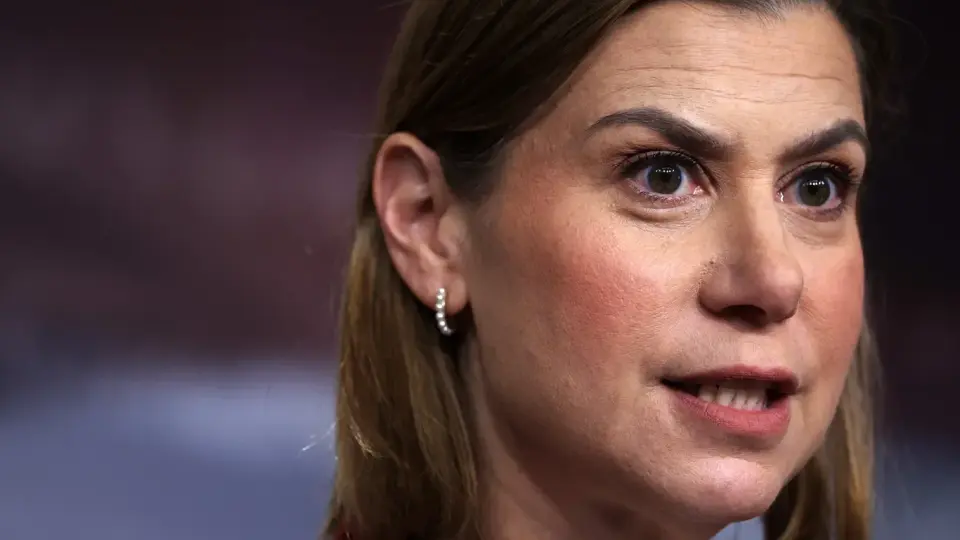
The Democratic primary for Michigan's 7th Congressional District has devolved into a bitter internal conflict, with party leaders and state legislators describing the situation as a 'serious clusterf*ck.' Three candidates are vying for the nomination to challenge Republican Rep. Tom Barrett in a swing district Trump won by less than one percentage point in 2024. The race features Bridget Brink, a former ambassador to Ukraine; Matt Maasdam, a retired Navy SEAL; and William Lawrence, a co-founder of the Sunrise Movement. Tensions have escalated after Sen. Elissa Slotkin, who previously represented the district, endorsed Maasdam, a move that has angered the Democratic Women's Caucus and other moderates who fear it will split the vote and benefit Lawrence. While Brink and Maasdam have raised significantly more money, Lawrence is leveraging a progressive platform focused on a moratorium for AI data centers and climate policy. Outside groups are spending heavily on all sides, with some alleging that anti-Maasdam ads are funded by Republican fronts, while others accuse pro-Lawrence groups of misleading voters. The August 4 primary is expected to be a chaotic indicator of whether progressive or centrist strategies can win in purple districts.
Key points
- Three Democrats are competing for the 7th District nomination: Bridget Brink (former Ukraine ambassador), Matt Maasdam (retired Navy SEAL), and William Lawrence (Sunrise Movement co-founder).
- Sen. Elissa Slotkin endorsed Maasdam, including paying for polling and fundraising texts, which caused a rift with the Democratic Women's Caucus and other moderates who support Brink.
- William Lawrence is campaigning on a platform that includes a nationwide moratorium on new data centers and labeling the war in Gaza a genocide, contrasting with the centrist positions of his opponents.
- FEC filings show Brink has raised $3 million and Maasdam $2.1 million, while Lawrence has raised $1.1 million, though Lawrence’s campaign claims a polling lead in some surveys.
- Outside spending is intense, with VoteVets spending $2 million for Maasdam and a Congressional Black Caucus-aligned PAC spending $1 million against Lawrence, while allegations of Republican front groups complicate the race.
Background
This primary is part of a broader national struggle for Democrats to flip House seats in swing districts during the 2026 midterms. Michigan’s 7th District is a critical battleground, having been won by President Trump by a slim margin in 2024. The internal conflict mirrors tensions seen in the Michigan Senate primary, where progressive candidate Abdul El-Sayed is competing against centrist Rep. Haley Stevens. The race highlights the ongoing ideological divide within the Democratic Party between establishment moderates and progressives, particularly regarding issues like AI infrastructure and foreign policy. Previous archive coverage of political fragmentation in other sectors is not directly relevant, but the current focus is on the 2026 midterm dynamics in key purple states.
How outlets are covering it
Axio and Yahoo emphasize the internal 'fury' and 'panic' among Democratic leaders, highlighting the acrimony caused by Slotkin’s endorsement of Maasdam and the fear that it will benefit Lawrence. They focus on the breakdown of party unity and the 'clusterf*ck' nature of the primary. The Intercept and E&E News focus more on the ideological substance of Lawrence’s campaign, particularly his stance on data centers and Palestine, and the attacks from centrist and pro-Israel groups. The Intercept notes that Lawrence’s platform is a 'gamble' but potentially resonant with voters tired of the status quo, while E&E highlights the financial disparity and the strategic risk of his progressive positions. There is a clear divide between outlets focusing on the internal party mechanics (Axios, Yahoo) and those focusing on the policy and ideological implications (The Intercept, E&E).
Why it matters
The outcome of this primary will determine whether a progressive or centrist candidate faces the Republican incumbent in a highly competitive general election. A split vote could hand the seat to the Republicans, impacting the balance of power in the House. The race also serves as a test case for the viability of progressive platforms, particularly on issues like AI data centers and climate policy, in swing districts. The internal conflict within the Democratic Party could have broader implications for the party’s ability to coalesce around candidates in other key battlegrounds during the 2026 midterms.
What to watch
The primary election is scheduled for August 4, 2026. The winner will face Republican Rep. Tom Barrett in the general election in November. Campaigns are expected to continue heavy spending and advertising, with potential for further allegations of outside interference. Polling data may emerge closer to the election, though independent polls have not yet been released. The Democratic Party may attempt to unify behind a candidate in the final weeks, but the current acrimony suggests this may be difficult.
- "It's a serious clusterf*ck": Behind-the-scenes fury and panic roil key House primary Axios
- William Lawrence Is Running in a Purple Michigan District — on His Pro-Palestine Credentials The Intercept
- ‘Serious Clusterf*ck’: Dems Marvel At Their Own Disastrous Primary In Key House Swing District Yahoo
- Morning Digest: It looks like the GOP is meddling in yet another Democratic primary The Downballot
- Sunrise co-founder bets on data centers in House bid E&E News by POLITICO
Want the full story? Read the original reporting
Read on Axios