
Democrats mock Trump's AI rebrand as Bessent emerges as frontrunner for new AI czar role
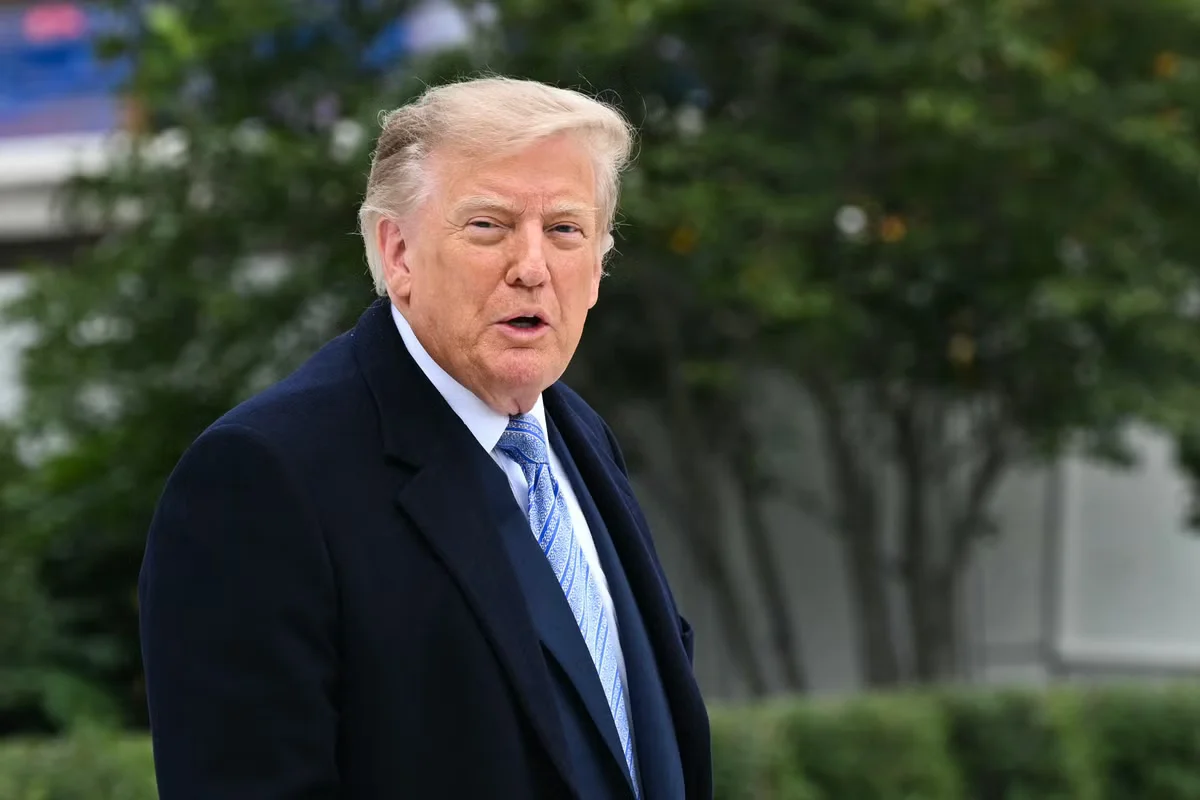
US Democrats are aggressively criticizing President Trump's push to rebrand AI as 'super intelligence' and his plan to appoint an 'AI czar,' while Treasury Secretary Scott Bessent has emerged as a leading candidate for the new position. The administration is simultaneously engaging in high-level AI talks with China at the UN, despite Trump's rejection of global oversight.
Key points
- Senator Ron Wyden and other Democrats are mocking Trump's attempt to replace 'artificial intelligence' with 'super intelligence,' signaling a more aggressive opposition strategy ahead of the midterms.
- Treasury Secretary Scott Bessent is the leading candidate for the new 'AI czar' role, a position that would not require him to leave his current cabinet post, similar to Interior Secretary Doug Burgum's dual role as 'energy czar.'
- Bessent recently held talks with Chinese Vice Premier He Lifeng at the UN General Assembly to establish a US-China 'notification mechanism' for AI security incidents, ahead of a meeting between Trump and Xi Jinping.
- Other candidates for the AI czar role include White House OSTP Director Michael Kratsios, OPM Director Scott Kupor, and National Cyber Director Sean Cairncross, though the White House has not confirmed any appointment.
- Trump has rejected global AI oversight bodies, arguing that international regulations would slow US innovation and cede ground to China, while framing AI as a critical industrial revolution for the US economy.
Background
In late September 2026, President Trump announced plans to form an 'AI Force' and appoint an 'AI czar' to accelerate US AI development, dismissing safety concerns as a hoax. This followed his rejection of global AI oversight at the UN, where he insisted on US dominance in AI innovation. The administration has framed AI as a strategic priority in the US-China tech rivalry, with former AI and Crypto Czar David Sacks involved in the effort. Lawmakers and experts, including Geoffrey Hinton, have pushed for regulation, but the administration has prioritized growth over oversight.
How outlets are covering it
The Independent emphasizes the political backlash from Democrats, highlighting Senator Ron Wyden's sharp criticism of Trump's 'super intelligence' rebrand as a preview of a more aggressive opposition strategy. Semafor focuses on the personnel dynamics, identifying Treasury Secretary Scott Bessent as the frontrunner for the AI czar role and detailing his recent diplomatic engagement with China on AI security. The two outlets highlight different aspects of the same story: The Independent focuses on the domestic political conflict and rhetoric, while Semafor focuses on the administrative and international policy implications. Both agree that the AI czar role is a significant new development, but they differ in their emphasis on the political versus the policy dimensions.
Why it matters
The appointment of an AI czar and the rebranding of AI as 'super intelligence' signal a major shift in US AI policy, prioritizing rapid development and US dominance over global oversight. The political backlash from Democrats indicates that AI policy will be a key issue in the upcoming midterms. The US-China talks on AI security incidents suggest that the US is seeking to manage AI risks bilaterally rather than through global institutions, which could shape the future of international AI governance.
What to watch
The White House is expected to make a final decision on the AI czar appointment, with Bessent, Kratsios, Kupor, and Cairncross as leading candidates. The administration will likely continue to push for US AI dominance and reject global oversight, while engaging in bilateral talks with China on AI security. Democrats are expected to intensify their opposition to Trump's AI policies, potentially leading to a more contentious debate in Congress and the courts.
- Senator shreds Trump’s ‘super intelligence’ with edgy two-word retort to his AI rebrand The Independent
- US diplomats told to say ‘super intelligence’ — not ‘artificial intelligence’ — after Trump’s call AP News
- Trump says AI will be renamed ‘super intelligence’ in all US documents The Hill
- Exclusive / Bessent eyed for Trump’s ‘AI czar’ Semafor
- Trump calls AI oversight a 'globalist scheme' as Amodei and Altman head to the UN to ask for it Fortune
Want the full story? Read the original reporting
Read on The Independent