
California Declares Emergency as Super El Niño Threatens San Diego Coastline
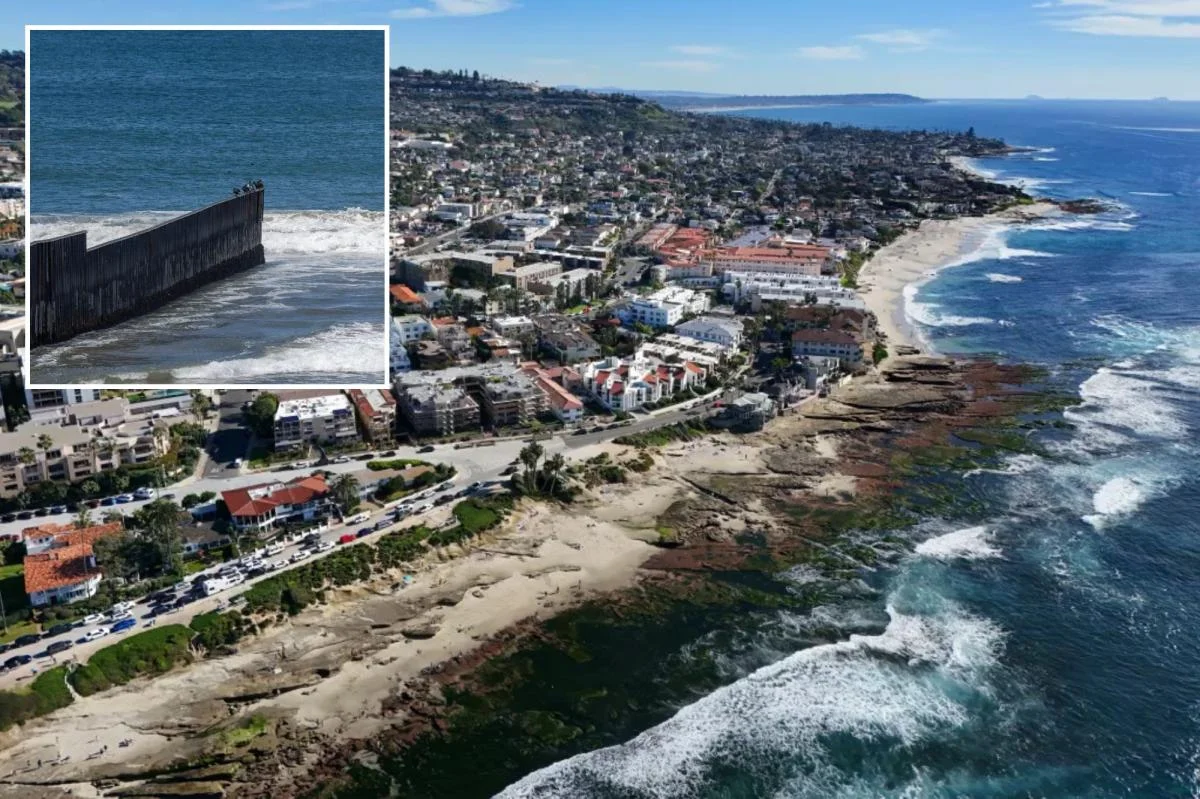
Governor Newsom declared a state of emergency on September 21, 2026, to prepare for a potentially historic Super El Niño. Forecasters predict a 98% chance of a very strong event, with a 75% chance it will be the strongest since 1950. San Diego faces a 'triple threat' of beach erosion, cliff collapses, and coastal flooding, with sea levels potentially rising 6 to 13 inches. While state agencies are staging resources and fast-tracking permits, local resilience projects in San Diego remain stalled due to funding issues, leaving vulnerable communities exposed to severe winter storms.
Key points
- Governor Newsom proclaimed a state of emergency on September 21, 2026, to mobilize resources and streamline procurement ahead of a historic El Niño season.
- Federal forecasters indicate a 98% chance of a 'very strong' El Niño by December and a 75% chance it will reach historic strength, potentially the strongest on record.
- San Diego’s coastline faces a convergence of beach erosion, cliff collapses, and severe flooding, with sea levels expected to rise 6 to 13 inches due to Kelvin waves and high tides.
- The San Diego City Council adopted a Coastal Resilience Master Plan in September 2025, but projects at La Jolla Shores and Mission Beach have stalled at the conceptual stage due to funding constraints.
- State agencies are fast-tracking permits for flood protection, while Caltrans stages road-closure equipment and the National Guard prepares for search-and-rescue missions.
- Residents are urged to prepare by checking drainage systems, securing roofs, and obtaining flood insurance, as heavy rains could worsen sewage issues and infrastructure damage.
Background
This development follows earlier warnings in August and September 2026 that a Super El Niño was forming, with scientists predicting sea level rises of up to a foot. In early September, massive waves from Hurricane Marie already damaged the Long Beach boardwalk, highlighting the immediate risks. The current emergency declaration builds on previous preparations by LA County and other regions, which have been removing sediment from reservoirs and inspecting flood-control infrastructure to mitigate the impact of potentially record-breaking storms.
How outlets are covering it
The California State Portal emphasizes the proactive, statewide mobilization under Governor Newsom, highlighting the emergency proclamation as a tool to cut red tape and stage resources before winter intensifies. In contrast, the Times of San Diego focuses on the local gap between policy and implementation, noting that despite the 2025 Master Plan, critical resilience projects in San Diego are stalled due to funding issues. The Los Angeles Times shifts the focus to individual preparedness, providing detailed advice for homeowners on drainage, roofing, and insurance, while the California Post highlights the scientific consensus on the 'triple threat' of erosion, collapse, and flooding. While all sources agree on the severity of the incoming event, the state portal frames it as a logistical success, whereas local outlets emphasize the vulnerability of specific communities and the lack of concrete infrastructure improvements.
Why it matters
The declaration of a state of emergency signals a shift from reactive to proactive disaster management, potentially saving lives and reducing property damage. For residents, the combination of rising sea levels and intense storms poses a direct threat to homes, infrastructure, and public safety, particularly in coastal areas like San Diego. The economic implications are significant, with potential impacts on $60 billion in property and 170,000 people, as noted in earlier forecasts. This event also underscores the growing influence of climate change on natural weather patterns, making extreme events more frequent and severe.
What to watch
State agencies will continue to stage flood-fighting supplies and fast-track permits for flood protection projects. Cal OES will coordinate with local partners to identify needs before impacts occur. Residents are expected to follow preparedness guidelines, including signing up for alerts and securing their properties. The California Coastline Survey will conduct additional scans in fall 2026 and spring 2027 to quantify erosion. The full impact of the El Niño will be assessed as winter storms intensify, with potential for record-breaking rainfall and coastal flooding.
- California city facing triple threat from Super El Nino that could change its iconic look forever nypost.com
- Governor Newsom proclaims state of emergency to bolster statewide El Nino preparedness, protect California California State Portal | CA.gov
- California is bracing for a historic El Niño. Here’s how to prepare for what’s coming San Francisco Chronicle
- San Diego County’s iconic coastal locations face triple threat from ‘Super El Niño’ timesofsandiego.com
- A ‘super’ El Niño is about to crash into California: 9 essential ways to prepare Los Angeles Times
Want the full story? Read the original reporting
Read on nypost.com