
Democrats prioritize cost relief over ideological tests amid Trump veto hurdles
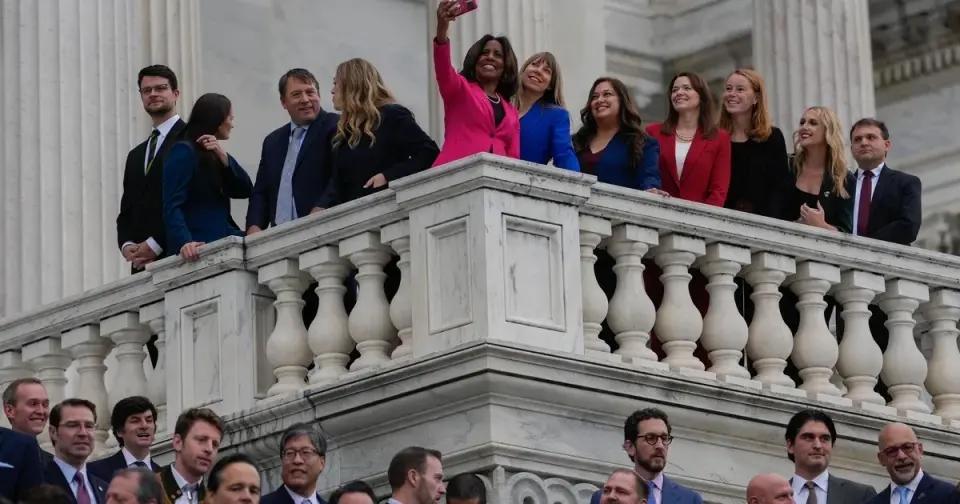
Democratic leaders at a Denver summit emphasized that voters demand tangible results on cost-of-living issues rather than ideological purity. While some officials advocate for pragmatic cooperation with President Trump, others argue that his lack of follow-through makes deal-making futile, suggesting Democrats should instead pass popular bills to force his hand or build a record for 2028.
Key points
- Pennsylvania Governor Josh Shapiro urged Democrats to focus on lowering costs, affordable housing, and economic fairness, rejecting 'shallow litmus tests' in favor of results-focused governance.
- Sen.-elect James Talarico of Texas argued that Democrats must work with President Trump to make his final two years the most productive in history, stating that Americans cannot wait two years for change.
- New Jersey Governor Mikie Sherrill countered that Trump leverages concessions without delivering, advising Democrats to lay out their agenda and let him sign it rather than engaging in pre-negotiations.
- Virginia Governor Abigail Spanberger suggested passing broadly popular bills without prior discussions, noting that if Trump refuses to sign them, Democrats can use the record to argue against him in the 2028 election.
- Sen. Ruben Gallego of Arizona warned that the midterm victory is a 'short-term loan' rather than a permanent realignment, requiring continuous effort to maintain voter support.
Background
The 2026 midterms resulted in a historic Democratic 'blue wave,' seizing control of both the House and Senate amid record turnout. Voters prioritized immediate cost-of-living concerns over tax benefits, driven by inflation at 3.7% and issues related to tariffs and the Iran conflict. Previous analysis noted that while Democrats gained legislative power, President Trump retains veto power, creating significant hurdles for major economic reforms. Critics have also questioned whether Democratic proposals, such as restoring pandemic-era healthcare subsidies, effectively address structural economic issues or merely revert to policies associated with previous inflation spikes.
Why it matters
The strategy adopted by the new Democratic Congress will determine whether they can deliver tangible relief to voters facing high costs or if they will be perceived as ineffective due to gridlock with the executive branch. The internal debate between cooperation and confrontation with the White House sets the tone for the next two years of governance and influences the 2028 presidential race.
What to watch
Democrats are expected to introduce legislation focused on competition, AI, and economic fairness. The outcome of their approach to President Trump will depend on whether they pursue direct negotiation or utilize legislative pressure to force action or build a political record for future elections.
Want the full story? Read the original reporting
Read on CBS News