
Democrats face internal rift over transgender sports bans ahead of 2026 midterms
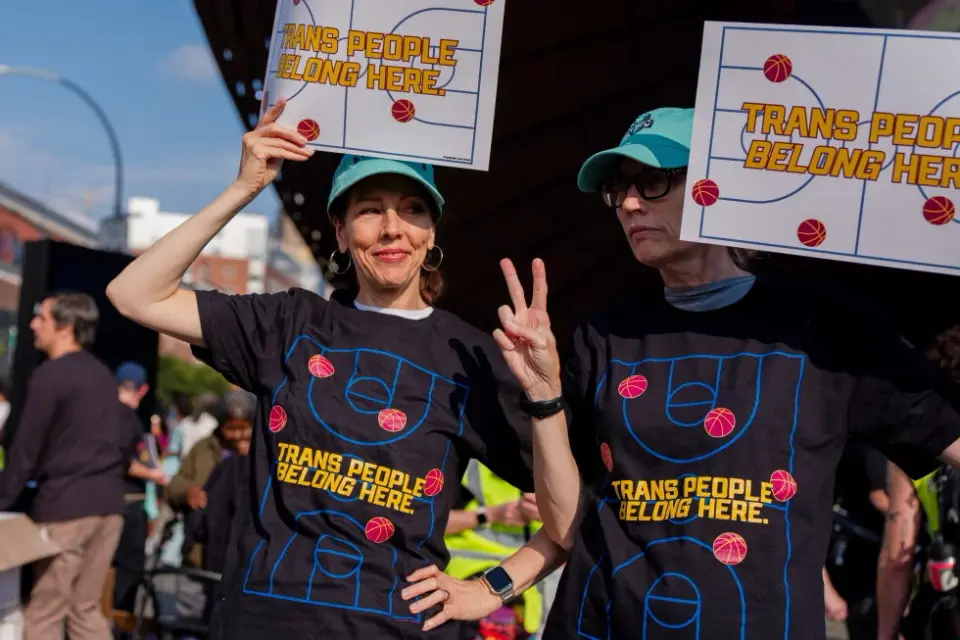
Democratic candidates are navigating a sharp internal divide over transgender athletes in women's sports, with some adopting restrictive stances to counter Republican attacks while others maintain progressive support. Polls show a majority of voters oppose transgender participation in female sports, creating a political dilemma for the party. This debate is influencing 2026 midterm strategies and shaping the positions of potential 2028 presidential contenders.
Key points
- A Quinnipiac University poll found that approximately 70% of registered voters oppose transgender women and girls playing on women's sports teams, while only 25% support it.
- Democrats are split, with roughly half supporting and half opposing transgender participation in female sports, according to the same poll.
- Texas Senate candidate James Talarico has distanced himself from previous statements, stating he would support a national ban on gender-affirming surgeries for minors.
- Iowa gubernatorial nominee Rob Sand and Ohio nominee Amy Acton have both opposed transgender athletes in women's sports, with Acton facing criticism from progressives for adopting language similar to President Trump's.
- In Massachusetts, Senator Ed Markey won the Democratic primary by advocating for transgender rights, defeating opponent Seth Moulton, who had opposed transgender athletes but later apologized for his comments.
- At least 25 states have enacted laws banning transgender women and girls from competing in women's sports, with three more having laws blocked by courts.
Background
This issue has become a central political battleground, with conservative groups like Elon Musk's America PAC running ads against Democrats in key Senate races. The debate has intensified following a Supreme Court ruling upholding state bans on transgender athletes in school teams. Previous coverage noted that Democrats in competitive races were attempting to defuse Republican attacks on this issue, while some conservative voters in Texas pledged to vote Democrat despite party affiliation. The controversy has also involved public disputes between transgender athletes and opponents, drawing in high-profile figures and amplifying the debate in the public sphere.
Why it matters
The transgender sports debate is a critical test for the Democratic Party's ability to balance progressive values with electoral viability in a polarized political environment. The issue is influencing candidate strategies in 2026 midterms and shaping the platforms of potential 2028 presidential contenders. It also reflects broader tensions within the party over how to address social issues that may alienate moderate voters while maintaining support from progressive bases. The outcome of these debates could have significant implications for the party's future electoral success and its ability to address other policy priorities.
What to watch
The debate is expected to continue as a key issue in the 2026 midterms, with candidates in competitive races likely to adjust their positions based on polling data and primary results. The 2028 presidential primary will also be influenced by the stances of potential candidates on transgender rights and sports participation. Activist groups may continue to pressure Democrats to maintain progressive positions, while the party may seek to find a middle ground to appeal to a broader electorate. The issue is likely to remain a focal point in the ongoing political battle over transgender rights and social policies.
Want the full story? Read the original reporting
Read on AP News