
Democrats seize Congress, forcing Trump to pivot toward foreign policy amid economic backlash
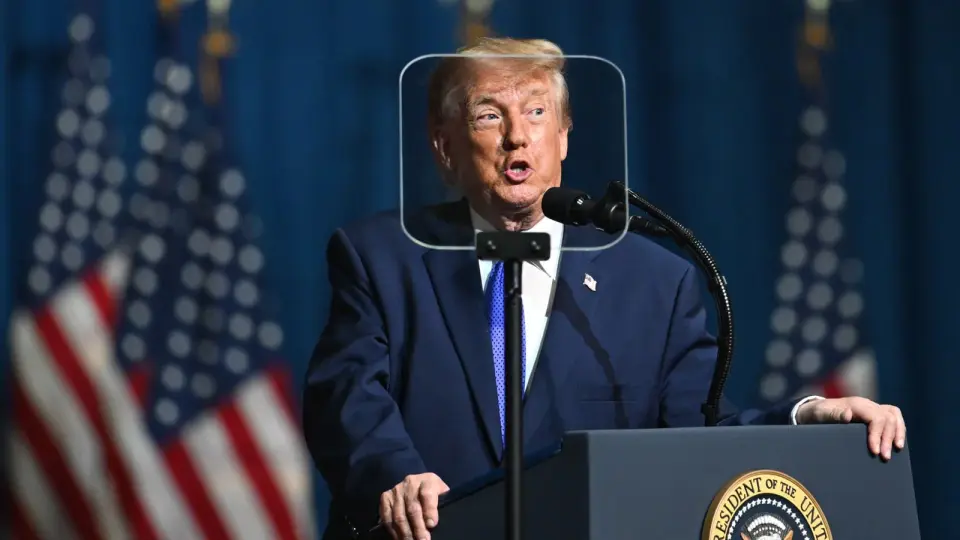
Democrats have won control of both the House and Senate in the 2026 midterm elections, marking a significant defeat for President Donald Trump. While the new Congress will scrutinize domestic spending and oversight, experts note that the president retains substantial authority over foreign policy, particularly regarding the ongoing conflict in Iran and tensions with Ukraine. The election was driven by voter dissatisfaction with high inflation and fuel costs resulting from the Iran war, which began in February 2026. Although Democrats can use their power of the purse to constrain military spending, they face challenges in overriding presidential vetoes on foreign affairs. Markets reacted with mixed signals, seeing a rise in clean energy stocks but a decline in defense shares, while analysts debate whether a divided government will lead to fiscal stability or further geopolitical instability.
Key points
- Democrats secured majorities in both the House and Senate, flipping key seats in states including Texas, Ohio, and Kansas.
- The Iran war, initiated by joint US-Israel strikes in February 2026, was a central issue due to soaring fuel prices and inflation.
- Trump retains significant latitude in foreign policy, but Democrats can leverage congressional funding controls to limit military expenditures.
- Markets saw a rise in clean energy and precious metals, while defense stocks fell, reflecting fears of reduced US military spending.
- Analysts warn that Trump may pursue aggressive geopolitical actions to distract from domestic losses, though his influence over the Republican party is waning.
Background
Prior to the election, polls and betting markets indicated a likely Democratic victory in the House, with the Senate remaining competitive. Voter dissatisfaction was fueled by high gas prices from the Iran conflict and Trump’s record-low approval rating of 36%. Recent actions, including the diversion of foreign aid and the announcement of cuts to Israel aid, highlighted tensions between the executive and legislative branches. The 2024 election had seen voters prioritize economic concerns over democratic integrity, a trend that continued into 2026.
How outlets are covering it
CNBC and The New York Times emphasize that while Democrats gain oversight power, Trump retains unilateral authority in foreign policy and trade, particularly through Section 301 tariffs. Euronews highlights market reactions, noting that a divided government may reduce legislative surprises but could lead to debt ceiling disputes. The Guardian offers a broader critique, arguing that Trump’s foreign policy miscalculations, such as the Iran war, damaged his base and that European allies are moving to reduce reliance on US security. Analysts like Holger Schmieding warn of potential 'foreign policy noise' as Trump seeks to distract from domestic failures, while others note that his influence over Republicans is declining, potentially limiting his ability to force unfavorable deals on Ukraine.
Why it matters
The shift in congressional control signals a potential check on Trump’s unilateralism, particularly regarding military spending and foreign aid. However, the president’s retained authority in foreign policy means that conflicts in Iran and Ukraine may continue, with significant implications for global energy prices and inflation. The election underscores the growing disconnect between US domestic economic concerns and foreign policy decisions, forcing allies to reassess their reliance on American leadership. For investors, the outcome suggests a period of fiscal restraint but also increased geopolitical uncertainty, impacting markets from defense to clean energy.
What to watch
The new Congress will take office in January, where Democrats will chair key committees and decide on confirmations for Trump’s nominees. They may attempt to pass legislation to end US involvement in the Iran conflict, though this would require overriding a presidential veto. Markets will watch for potential new tariffs on Europe and the impact of reduced defense spending. Analysts predict that Trump may pursue aggressive foreign policy moves to distract from domestic losses, while European governments prepare for a more unpredictable US stance on security and trade.
- What Trump losing power over Congress means for Iran, Ukraine and foreign policy CNBC
- Countries Weigh, and Worry About, What Trump Will Do After Midterm Defeat The New York Times
- US midterms: What Trump's defeat means for Europe and global markets Euronews.com
- 'Expect the worst': What results mean for the world | Dominic Waghorn Sky News
- Even if US democracy can be salvaged from Trump, Europe is moving on | Rafael Behr The Guardian
Want the full story? Read the original reporting
Read on CNBC