
Democrats set to revive Supreme Court reform agenda after 2026 midterm sweep
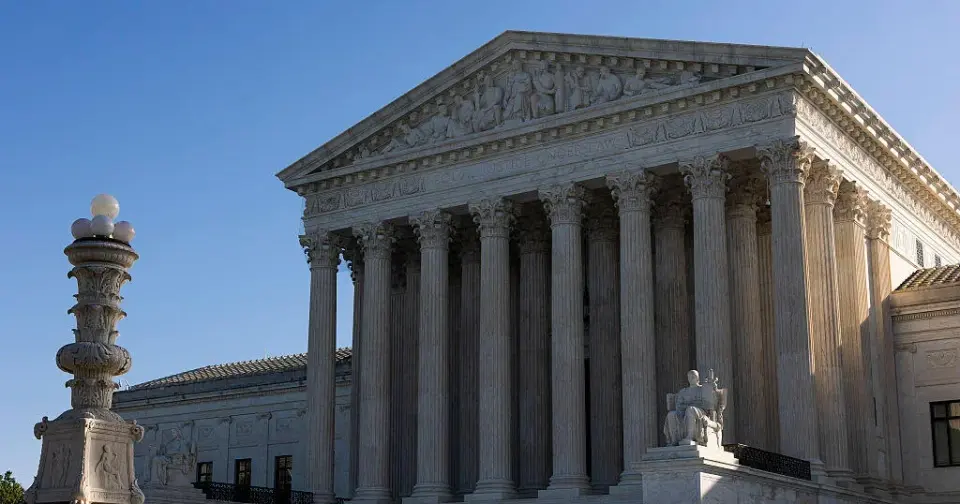
Following a decisive Democratic victory in the 2026 midterms, the party is poised to advance long-stalled Supreme Court reforms, including ethics codes and term limits. Democrats now control the House and Senate, though passage remains uncertain due to Senate filibuster rules and potential presidential vetoes.
Key points
- Democrats secured at least 54 Senate seats and 250 House seats, enabling legislative action on judicial reforms.
- House Democratic Leader Hakeem Jeffries prioritized 'cleaning up the mess at the Supreme Court' in his speaker bid.
- Proposals include mandatory ethics codes, term limits, and expanding the court from nine to 13 seats.
- Senate passage is unlikely without 60 votes, and President Trump is expected to veto such measures.
- Justice Samuel Alito has no immediate plans to retire, closing the window for new Republican appointments.
Background
Prior to the 2026 midterms, Republicans had secured control of the Senate, allowing President Trump to appoint conservative judges and expand the Supreme Court's conservative majority. Democrats had previously proposed ethics reforms during the Biden administration, but these stalled in the Senate. Recent polling indicated a shift in Republican voter support toward Democratic candidates in key Senate races, driven by low presidential approval.
How outlets are covering it
CBS News emphasizes the legislative potential of the new Democratic majority, highlighting specific bills on ethics, term limits, and court expansion. The New York Times focuses on the immediate impact on judicial appointments, noting that Justice Alito's decision not to retire prevents President Trump from filling additional seats. SCOTUSblog provides a broader analysis of how the Senate shake-up affects the confirmation process and future court composition. While CBS and SCOTUSblog focus on legislative and structural changes, The New York Times highlights the strategic implications for judicial appointments and the closure of the Republican window for court control.
Why it matters
The Democratic control of Congress could lead to significant changes in the Supreme Court's structure and operations, potentially altering the balance of power in the judiciary. However, the lack of a supermajority in the Senate and the likelihood of presidential vetoes suggest that major reforms may not be enacted in the near term.
What to watch
Democrats are expected to unveil their legislative priorities for the next Congress, with House Judiciary Committee Chair Jamie Raskin likely leading efforts on Supreme Court reforms. The Senate's 54-56 seat majority may struggle to pass major legislation without bipartisan support, and President Trump is expected to veto any court-reform measures that reach his desk.
- Democrats could dust off plans for Supreme Court reforms after capturing House and Senate CBS News
- Justice Alito Will Not Retire From Supreme Court Immediately, Despite Election Outcome The New York Times
- GOP’s losses will raise pressure on conservative Supreme Court justices to retire The Washington Post
- The midterms and SCOTUS SCOTUSblog
- Conservative US Supreme Court justices Thomas and Alito in spotlight after Democratic landslide Reuters
Want the full story? Read the original reporting
Read on CBS News