
DHS Delays Decision on TPS for 100,000 Ukrainians and 1,800 Sudanese
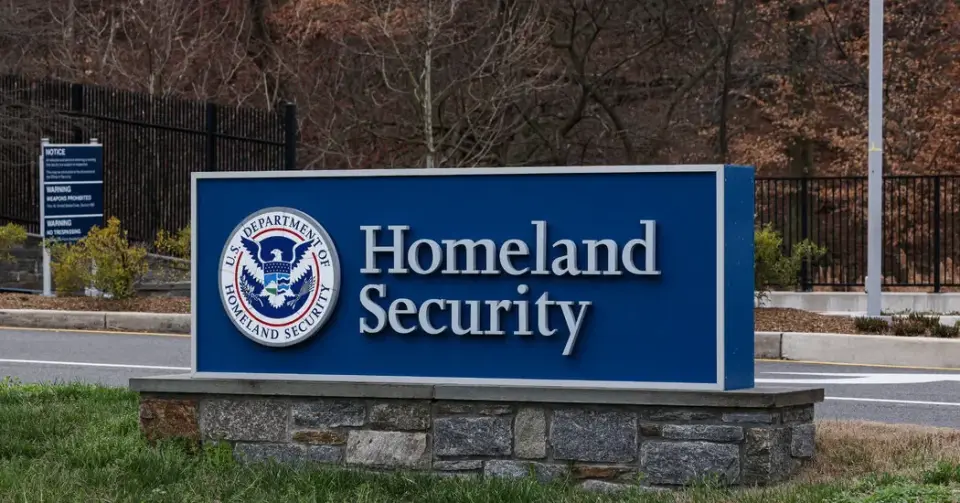
The U.S. Department of Homeland Security has decided to maintain Temporary Protected Status (TPS) for nationals of Ukraine and Sudan, preventing the expiration of protections for approximately 101,000 Ukrainians and 1,800 Sudanese scheduled for October 19. Officials stated that a final decision on the program's future will be made 'at the appropriate time,' leaving the status of these migrants in a state of indefinite limbo. This move contrasts with the administration's recent termination of TPS for other nations, such as Haiti, and mirrors a similar delay regarding El Salvador. The decision comes amid ongoing geopolitical tensions between Washington and Kyiv, as well as a severe humanitarian crisis in both countries.
Key points
- DHS announced on Sunday that TPS for Ukraine and Sudan would not expire on Monday, October 19, but no final decision on renewal or termination has been made.
- Approximately 101,000 Ukrainians and 1,800 Sudanese currently hold TPS, which allows them to live and work in the U.S. without fear of deportation.
- The administration previously revoked TPS for 13 of 17 covered countries, including Haiti, despite ongoing unrest in those nations.
- A bipartisan bill introduced in the House on October 5 seeks to extend TPS for Ukrainians until July 1, 2029, if the administration fails to act by the deadline.
- The delay creates uncertainty for employers and families, with critics arguing that the lack of clarity causes significant instability.
Background
This development follows a broader trend of the Trump administration dismantling TPS programs, having ended protections for over 1 million immigrants from more than a dozen countries since taking office. The administration also recently suspended the 'Uniting for Ukraine' humanitarian parole program, which had provided relief to an additional 240,000 Ukrainians. Meanwhile, the U.S. has been engaged in diplomatic and economic shifts regarding Russia, including lifting sanctions on Russian diesel exports to lower fuel prices, which has strained relations with Ukrainian President Volodymyr Zelensky.
How outlets are covering it
The New York Times highlights the political context, noting that the decision to maintain TPS for Ukraine may be influenced by the administration's desire to avoid alienating a key ally amid rising tensions with Zelensky and the upcoming midterm elections. CBS News emphasizes the contrast between this decision and the administration's aggressive revocation of TPS for other countries, framing it as an anomaly in their broader anti-immigration stance. OSV News focuses on the humanitarian and religious implications, quoting Archbishop Borys A. Gudziak, who warned that without clarity, Ukrainians face the prospect of deportation despite the ongoing war, and noted that many are already losing jobs due to the uncertainty. All sources agree that the lack of a definitive timeline creates significant instability for the affected populations.
Why it matters
The indefinite suspension of TPS decisions for Ukraine and Sudan leaves hundreds of thousands of migrants in legal limbo, affecting their ability to work and plan for the future. This uncertainty also impacts U.S. employers who rely on these workers. Furthermore, the decision signals a potential shift in U.S. foreign policy priorities, balancing domestic political pressures with international alliances and humanitarian obligations during ongoing conflicts in both countries.
What to watch
The administration has not provided a specific timeline for a final decision on TPS for Ukraine and Sudan. Lawmakers are pushing for a legislative extension, with a bipartisan bill proposing protections until July 2029. The situation may evolve based on the outcome of the midterm elections in November and the progress of peace negotiations in Ukraine and Sudan. Employers and migrants will continue to monitor for any official announcements from the Department of Homeland Security.
- Migrants From Ukraine and Sudan to Keep Deportation Protections for Now The New York Times
- Immigrants from Ukraine and Sudan to retain deportation protections for now CBS News
- Thousands of Ukrainians face uncertainty with immigration protection set to end. Many built new lives in Philly. Inquirer.com
- Temporary protections for Ukrainians in US set to expire, trigger deportation, archbishop says OSV News
- Trump’s silence leaves Ukrainians unhireable in the U.S. The Counteroffensive with Tim Mak
Want the full story? Read the original reporting
Read on The New York Times