
Trump’s Diesel Deal and Starlink Restrictions Deepen US-Ukraine Rift
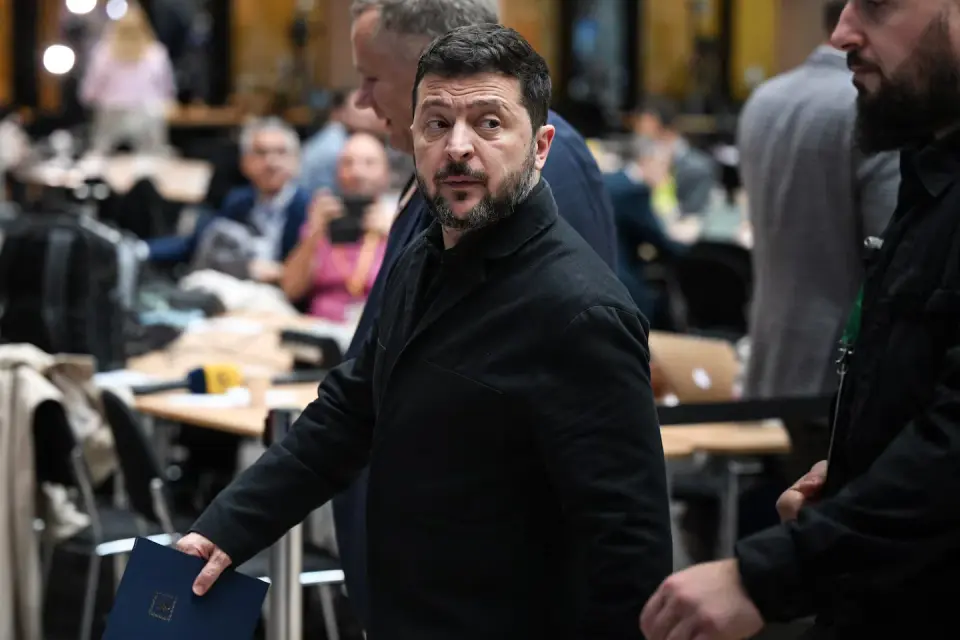
President Donald Trump has intensified his support for Russia by waiving energy sanctions to purchase Russian diesel and restricting Starlink satellite services for Ukraine. These moves, aimed at lowering US fuel prices ahead of midterm elections, have triggered a severe diplomatic crisis with Kyiv. Ukrainian President Volodymyr Zelensky accused the US of choosing Russia’s side, while Republican lawmakers and European allies condemned the actions as a betrayal of the Western alliance.
Key points
- Trump waived sanctions to buy Russian diesel, citing high US fuel prices, while accusing Zelensky of prolonging the war.
- The US restricted Starlink speeds for Ukraine, crippling drone guidance and air defense systems during Russian attacks.
- Zelensky declared the US a 'lost partner' and refused further compliance with US demands, citing threats to intelligence sharing.
- Republican senators and officials criticized the policy as appeasement, warning it damages US credibility and alliance unity.
- The dispute coincides with rising Russian attacks and concerns that Trump is prioritizing domestic political gains over foreign policy stability.
Background
This escalation follows months of strained US-Ukraine relations, including a February 2025 Oval Office confrontation and a November 2025 peace plan draft that favored Russia. Recent weeks saw Russia escalate strikes on Ukrainian infrastructure, with Zelensky vowing to target Russian refineries. The current crisis builds on a June 2026 suspension of fuel sanctions and a NATO commander’s warning about alliance friction over the diesel deal.
How outlets are covering it
The Washington Post frames the conflict as a personal feud complicating peace efforts, noting Trump’s defense of easing pressure on Russia despite internal party criticism. The New Yorker emphasizes the political motivation, arguing Trump is pivoting to Putin to distract from failing economic policies and low approval ratings before midterms. The Guardian highlights the strategic betrayal, describing the Starlink restrictions and diesel deal as active interventions to weaken Ukraine’s defense, urging Europe to prepare for a world where US support is no longer guaranteed. All sources agree the actions have fractured the Western alliance, but differ on whether the motive is political opportunism or a fundamental shift in US foreign policy.
Why it matters
The crisis undermines US credibility as a reliable ally, potentially encouraging Russian aggression against NATO members. It risks leaving Ukraine without critical defense capabilities during a period of intensified Russian attacks. The diplomatic fallout could accelerate European efforts to develop independent defense capabilities, reducing reliance on US security guarantees. Additionally, the dispute may influence midterm election outcomes by polarizing public opinion on foreign policy and energy costs.
What to watch
Expect continued friction between Washington and Kyiv as Zelensky refuses further concessions. European allies may increase direct military support to Ukraine to offset US restrictions. Congressional debates on the legality of the diesel deal and sanctions waivers are likely to intensify. Trump may face further backlash from both parties if fuel prices do not drop as promised, while Russia may exploit the US distraction to advance its military position.
- Trump and Zelensky escalate feud as Ukraine war strains alliance The Washington Post
- As America abandons Ukraine, Europe stands alone The Economist
- Trump’s October Surprise Is a Pivot to Putin The New Yorker
- Of course Trump is helping Russia in Ukraine – he’s a master of the art of betrayal | Jonathan Freedland The Guardian
- Trump-Zelenskiy rift threatens vital support for Kyiv Reuters
Want the full story? Read the original reporting
Read on The Washington Post