
DNC sues to block Pentagon’s last-minute removal of overseas voter category
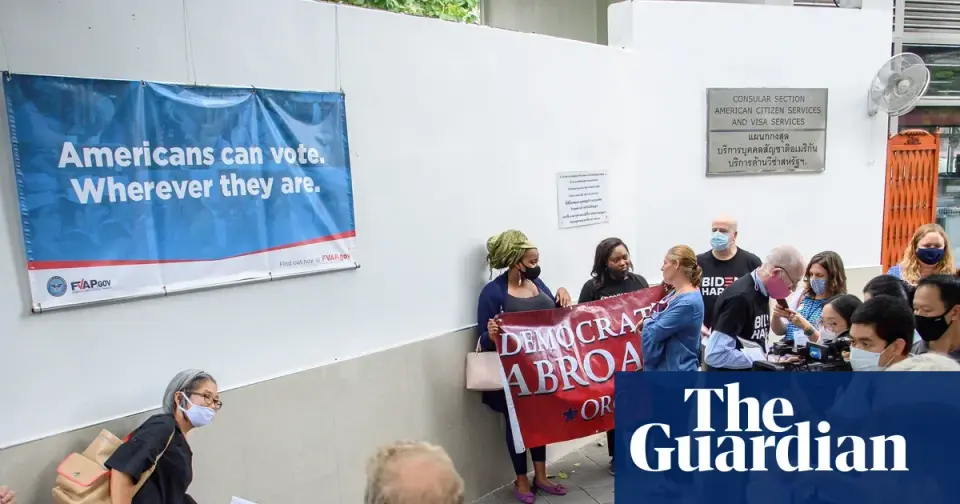
The Democratic National Committee (DNC) filed a lawsuit in Washington, D.C., challenging the Trump administration’s August decision to remove a specific voter category from the Federal Post Card Application (FPCA). The change, approved by the Office of Management and Budget (OMB) as an emergency measure, eliminated the option for U.S. citizens born abroad who have never resided in the country to register and request absentee ballots. The DNC argues this violates the Administrative Procedure Act by bypassing required notice-and-comment procedures. While the Pentagon claims the update reduces voter confusion, critics assert the move is a political effort to disenfranchise a demographic that leans Democratic, potentially affecting up to 11,590 eligible voters in 38 states and D.C. that allow such participation.
Key points
- The DNC sued the Trump administration on October 1, 2026, alleging the Pentagon illegally modified the FPCA form in August without following the Administrative Procedure Act’s notice-and-comment requirements.
- The modification removed the checkbox for U.S. citizens born abroad who have never lived in the U.S., a category eligible to vote in 38 states and the District of Columbia.
- The Pentagon justified the change as an emergency measure to prevent voter confusion, claiming the existing form was unclear regarding federal law requirements.
- The DNC contends the change is a political strategy to suppress a voting bloc that leans Democratic, noting that the Republican National Committee has simultaneously sued in nine states to block similar voting rights.
- Experts warn that removing the category may discourage eligible voters from signing the form under penalty of perjury, as the remaining options may not accurately reflect their status.
- The lawsuit seeks a federal court order to set aside the changes, arguing the government has 15 years of experience managing these forms and did not need to rush the update.
Background
This legal challenge is part of a broader pattern of federal election interference ahead of the 2026 midterms. Previous coverage noted concerns over the administration’s attempts to restrict mail-in voting, which the Supreme Court previously blocked, and warnings about potential post-election chaos. The current dispute follows earlier reports of the administration removing state-by-state guidance for overseas voters and debates over a potential national emergency to 'nationalize' elections. The DNC’s suit aligns with a strategy to counter what Democrats describe as a systematic effort to disenfranchise voters through procedural changes and litigation.
How outlets are covering it
The DNC and the U.S. Vote Foundation frame the form change as a deliberate attempt to disenfranchise eligible citizens, arguing that the 'emergency' justification is pretextual and that the government ignored standard regulatory processes. They emphasize that the affected voters are likely to support Democratic candidates. Conversely, the Pentagon and the Republican National Committee (RNC) argue that the changes are necessary to ensure legal compliance and clarity, stating that enforcing residency requirements is not disenfranchisement but upholding the law. The RNC specifically claims the DNC is trying to extend voting rights to ineligible individuals. Bloomberg Law focuses on the procedural violation of the Administrative Procedure Act, while Democracy Docket highlights the political motivation behind the change, linking it to a broader Republican campaign to restrict mail-in voting and challenge 'never-resident' voters.
Why it matters
The outcome of this lawsuit could determine whether a specific class of U.S. citizens abroad can access federal voting forms for the 2026 midterms. If the court upholds the changes, it may set a precedent for bypassing the Administrative Procedure Act in future election-related regulations. The case also highlights the tension between federal agencies and political parties over voter eligibility, potentially affecting the participation of an estimated 2.2 million eligible citizens abroad, with the highest numbers in Canada and the U.K.
What to watch
The case is now in federal court in Washington, D.C., where a judge will decide whether to set aside the Pentagon’s changes to the FPCA. The administration is expected to defend the emergency nature of the update, while the DNC will argue for strict adherence to the Administrative Procedure Act. The resolution may influence how federal agencies handle future election-related form modifications and could impact the voting rates of overseas citizens in the 2026 midterms, where only 11% of eligible overseas citizens voted in 2024.
- DNC sues Trump administration over last-minute changes to overseas voting form The Guardian
- Pentagon used emergency measure to change voter forms for Americans abroad yahoo.com
- Trump officials changed forms for overseas voters amid a GOP push to restrict voting NPR
- Trump admin quietly changed overseas voter form at 11th hour to disenfranchise Democrats, lawsuit says democracydocket.com
- DNC Challenges Defense Department’s Overseas Voter Rules Change Bloomberg Law News
Want the full story? Read the original reporting
Read on The Guardian